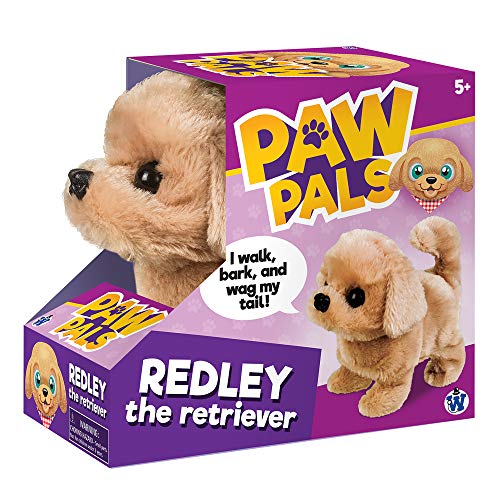
Realistic Toy Dogs That Look Real and Move
Looking for a toy dog so lifelike it feels like a real companion? This in-depth guide breaks down how moving, realistic toy dogs work, what features matter most, and how to choose the right one for your child, your family, or yourself.
Explore the FeaturesWhat Makes a Toy Dog Look Real and Move?
The most convincing realistic toy dogs combine three elements: lifelike appearance, natural motion, and responsive behavior. Appearance covers the fur texture, facial proportions, eye design, and body shape. Motion refers to how the toy walks, sits, wags its tail, tilts its head, or blinks. Behavior is the layer of interactivity — responding to a voice, a touch, or a clap. When all three work together, the result feels surprisingly alive. Modern engineering has pushed these toys far beyond simple wind-up mechanisms. Today's mid-range and high-end tiers use servo motors, sensors, and programmed behavior loops to create smooth, believable movement.
Lifelike Fur & Finish
Premium materials like soft faux fur, hand-painted eyes, and realistic nose and paw textures make the toy convincing up close. Entry-level models often use shorter synthetic fibers, while top-tier options invest in layered, brushed fur that mimics a real coat.
Natural Motion Systems
Mid-range models typically walk with a gentle sway and wag their tails. High-end tier models add head turns, ear twitches, blinking eyes, and even sitting or lying-down sequences for a more fluid, natural feel.
Touch & Sound Response
Sensors on the head, back, or chin let the toy react to petting with a bark, a wag, or a happy sound. Voice-activated models respond to claps or spoken commands, creating a genuinely interactive experience.
Durable Construction
Reinforced joints and heavy-duty internal gears are essential because moving parts endure constant stress. Look for solid build quality and weather-resistant finishes if the toy will be used in varied play environments.
How to Choose the Right Realistic Moving Toy Dog
Before you start comparing individual models, clarify the primary use case. Is the toy for a young child who wants a cuddly companion that occasionally walks? Or for an older child or adult who appreciates advanced robotics and realistic behavior? The answer shapes which tier and feature set makes the most sense. Here are the key decision points:
- Age and supervision level: Younger children benefit from simpler, sturdier toys with fewer small parts. Always check the age recommendation on the packaging, and consider toys designed for the 9–12 years range if the child is ready for more complex interaction.
- Motion complexity: If walking and tail-wagging are enough, an entry-level or mid-range model works well. If you want head turns, blinking, and voice response, look at the high-end tier.
- Material and care: Faux fur toys need occasional brushing and spot cleaning. Removable, washable covers are a practical bonus. For general plush care tips, see our guide on how to clean plush toys.
- Battery and charging: Rechargeable batteries are convenient; standard batteries are easier to replace. Check the runtime and whether the toy has a low-battery indicator.
- Companionship vs. collectibility: Some realistic toy dogs are designed for everyday play, while others are display-grade collectibles. If you are building a collection, explore the broader world of toy collectibles.
Comparing Realistic Toy Dog Tiers
To make the comparison practical, we classify realistic moving toy dogs into three broad tiers. These tiers describe market position and feature depth, not currency amounts. A higher tier generally means smoother motion, more sensors, and more refined materials — but a well-chosen mid-tier model can be an excellent fit for most families.
| Tier | Best For | Typical Motion & Features | Material Focus |
|---|---|---|---|
| Entry-level | Younger children, first-time buyers | Basic walking, tail wag, simple sound response | Shorter synthetic fur, sturdy plastic frame |
| Mid-range | Families wanting a balanced feature set | Walking with sway, head turns, touch sensors, barking | Softer faux fur, painted details, reinforced joints |
| High-end tier | Older kids, adults, collectors | Fluid walking, blinking, sitting, voice commands, multi-sensor response | Layered realistic fur, premium finish, heavy-duty internals |
Practical Considerations Before You Buy
A realistic moving toy dog is an investment in play and companionship, and a few practical checks will help you get the most from it. First, confirm the recommended age range and any safety labels on the packaging. Second, think about floor surfaces: smooth hardwood is ideal for walking mechanisms, while thick carpet can strain smaller motors. Third, plan for battery management — rechargeable models are efficient in the long run, but keep a spare set of standard batteries on hand if that is what the toy uses. Finally, consider storage. A dedicated spot on a toy shelf keeps the toy protected and makes it easy to grab for playtime.
If the child in your life is younger, you may also want to explore age-appropriate options like top toys for 3-year-olds or top toys for 4-year-olds to pair with a moving dog toy. And if you are shopping for a gift, our toy gift guides can help you match the toy to the occasion.
Frequently Asked Questions
Do realistic toy dogs actually walk on their own?
Yes. Most moving toy dogs use internal motors and articulated legs to walk forward, often with a gentle sway. Higher-tier models can also sit, turn, and change direction in response to sensors or commands.
Are these toys suitable for very young children?
It depends on the model. Always follow the age recommendation on the packaging. Simpler, sturdier entry-level toys are generally better for younger children, while complex high-end models with small moving parts are better suited to older kids and adults.
How do I care for a realistic toy dog with faux fur?
Brush the fur gently with a soft-bristled brush, spot-clean with a damp cloth, and avoid submerging the toy in water because of the internal electronics. For broader plush care guidance, see our article on cleaning plush toys.
Can a moving toy dog help a child who wants a real pet?
It can be a meaningful companion and a way to practice gentle care. Many families use a lifelike moving toy dog as a bridge before welcoming a real pet. If you are exploring plush companions more broadly, our guide to the cutest stuffed animals in the world offers more inspiration.
Ready to Meet Your New Companion?
Browse our curated selection of realistic toy dogs that look real and move. Compare features, read details, and find the perfect lifelike companion for your home.
View the Recommended Picks🐕 Expert Tip: When you first unbox a moving toy dog, let it run through a full behavior cycle on a flat surface before handing it to a child. This helps you confirm the motion is smooth, the sensors respond correctly, and the battery is properly charged. A calm, supervised first session sets the tone for happy play.