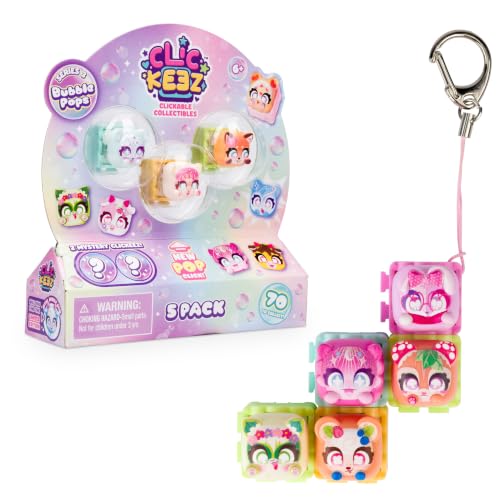
Toy Collectibles: The Complete Guide to Collecting, Displaying & Preserving
From limited-edition action figures to rare vintage pieces—discover how to build a meaningful collection, protect your investment, and identify the collectibles worth pursuing.
Explore the Collector's Guide🧸 Why Collectible Toys Matter: Toy collectibles blend nostalgia, craftsmanship, and cultural history. Whether you're a seasoned collector or just starting, understanding tiers, authentication, and proper care transforms casual buying into a rewarding long-term pursuit. This guide gives you the framework to collect with confidence.
What Makes a Toy Collectible?
A toy becomes a collectible when it transcends its play function and enters the realm of cultural artifacts. Several factors determine collectibility:
- Scarcity: Limited production runs, discontinued lines, or regional exclusives drive demand.
- Provenance: Documented history—original packaging, certificates, and ownership records—adds legitimacy and interest.
- Condition: Pristine, unopened items in original packaging typically command the highest collector attention.
- Cultural Relevance: Ties to popular franchises, films, or historical moments elevate a toy's desirability.
- Community Demand: Active collector communities and dedicated databases sustain long-term interest.
Understanding these drivers helps you evaluate potential acquisitions and avoid items that may not hold lasting collector appeal. For broader context on how toys fit into developmental and cultural frameworks, explore our toy guides.
The Toy Collectible Tier System
Collectibles are best understood through a relative tier system rather than absolute figures. This framework helps you position any item in the broader market and make informed decisions about where to focus your collection.
| Tier | Best For | Key Characteristics |
|---|---|---|
| Entry-Level | New collectors, casual fans | Widely available mass-market figures, open-box display pieces, modern reissues |
| Mid-Range | Enthusiasts building themed collections | Limited production runs, licensed exclusives, higher-grade paint and articulation |
| Premium | Serious collectors seeking quality | Small-batch editions, premium materials, intricate detailing, sealed original packaging |
| Luxury | Museum-grade or ultra-rare acquisitions | Prototype pieces, vintage sealed items, artist-signed editions, historical significance |
Major Toy Collectible Categories
Collectors typically focus on one or more categories. Each has its own community, authentication standards, and display conventions.
Action Figures & Superhero Toys
The largest segment of the collectible market. Licensed figures from film and comic franchises dominate, with articulation, paint quality, and packaging condition being key differentiators. Vintage carded figures remain highly sought after.
Die-Cast & Model Vehicles
Scale models, die-cast cars, and replica vehicles appeal to both automotive enthusiasts and toy collectors. Scale accuracy and limited colorways drive collector interest. See our toy cars guide for related recommendations.
Plush & Stuffed Animals
From vintage teddy bears to modern limited-edition plush, this category blends nostalgia with craftsmanship. Condition and original tags are critical. Explore teddy bears and the cutest stuffed animals for related insights.
Building Sets & Construction Toys
Sealed, retired building sets frequently appreciate in collector interest. Completeness and box condition are paramount. Our toy guides cover related educational and building categories.
Board Games & Tabletop
Vintage board games and out-of-print tabletop titles attract dedicated collectors. Component completeness and box integrity define condition tiers.
How to Buy Toy Collectibles Wisely
Purchasing collectibles requires more diligence than buying standard toys. Follow these principles to build a collection with confidence:
- Verify Authenticity: Check licensing marks, serial numbers, and manufacturer documentation. Cross-reference with collector databases.
- Inspect Condition Carefully: Request high-resolution photos of packaging corners, paint details, and articulation points.
- Understand the Tier: Know whether you're acquiring an entry-level reissue or a premium limited edition—this affects both display strategy and long-term expectations.
- Check Provenance: Original receipts, certificates of authenticity, and documented ownership add confidence.
- Buy from Reputable Sources: Established retailers, verified collector marketplaces, and specialist dealers reduce risk.
🔍 Authentication Checklist
Look for holographic stickers, official licensing logos, consistent paint application, and correct manufacturer markings. When in doubt, consult collector forums and specialist authentication services before committing.
Displaying & Preserving Your Collection
Proper display and care protect both the condition and long-term interest of your collectibles. Key considerations include:
☀️ Light & Temperature Control
Keep collectibles away from direct sunlight and maintain stable room temperature. UV light fades paint and degrades packaging; heat warps plastic and adhesive.
💧 Humidity Management
Store items in a low-humidity environment. Moisture damages cardboard packaging and can cause mold in plush collectibles. Consider silica gel packets in display cases.
🧤 Handling & Cleaning
Handle sealed or premium-tier items with clean cotton gloves. Use soft brushes for dust removal and avoid harsh cleaning agents that may damage paint or plastic.
📦 Packaging & Storage
For most collectibles, retain original packaging—especially sealed boxes. Use acid-free storage materials for vintage items and UV-protective cases for display pieces. Our toy shelves guide covers display solutions.
Frequently Asked Questions
What makes a toy collectible?
A toy becomes collectible through scarcity, provenance, condition, cultural relevance, and demand from a dedicated collector community. Limited production runs, licensing tie-ins, and historical significance all contribute to collectibility.
How should I store and display collectible toys?
Keep collectibles away from direct sunlight, humidity, and dust. Use UV-protective cases or shelves, handle items with clean gloves, and maintain stable room temperature to prevent warping or fading.
Should I keep collectible toys in their original packaging?
For most collectibles, yes. Original packaging—especially unopened, sealed boxes—preserves provenance and typically maintains higher collector interest. However, display preferences vary, so consider the item's tier and your personal goals.
What are the main tiers of toy collectibles?
Collectibles generally fall into entry-level, mid-range, premium, and luxury tiers. Entry-level items are widely available mass-market figures; mid-range includes limited runs; premium features high-grade materials and smaller editions; luxury covers museum-grade or ultra-rare pieces.
How do I verify the authenticity of a collectible toy?
Check for official licensing marks, serial numbers, holographic stickers, and manufacturer documentation. Cross-reference with collector databases and community forums, and request provenance records from sellers when possible.
Ready to Start or Expand Your Collection?
Browse curated recommendations and expert-reviewed options to find your next collectible.
View Collector's Picks