Play Tent with Tunnel and Ball Pit: The Complete Guide for Growing Kids
Everything parents need to know before choosing a play tent with tunnel and ball pit — from safety features and age suitability to setup, cleaning, and long-term play value.
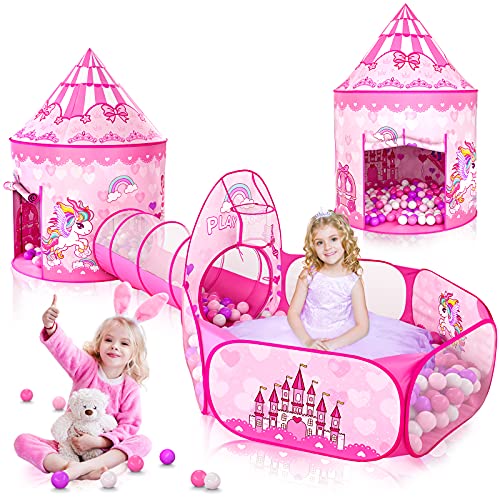
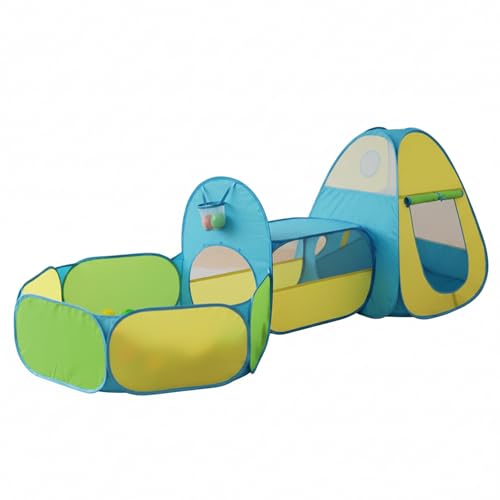
A play tent with tunnel and ball pit combines three of the most engaging play elements young children love: a cozy hideaway, a crawl-through adventure passage, and a tactile ball pit. This multi-functional design makes it one of the most popular additions to playrooms, family living rooms, and backyard play areas. If you are researching this toy before making a purchase, this guide breaks down everything you need to know to make a confident, well-informed decision.
Whether you are shopping for a first birthday, a toddler who loves crawling, or a preschooler who enjoys active pretend play, this guide covers the key features, safety considerations, and practical tips that matter most. For a broader look at age-appropriate choices, explore our outdoor toys collection and our dedicated guide to outdoor play toys for 2-year-olds.
Quick summary: A play tent with tunnel and ball pit is ideal for children roughly 1 to 5 years old. Prioritize breathable mesh panels, non-toxic fabric, rounded frame edges, and secure ground anchoring. Choose a model whose ball pit attachment suits your available space, and always supervise play.
Why This Combination Works So Well for Young Children
Child development specialists consistently highlight the value of open-ended, multi-sensory play. A play tent with tunnel and ball pit delivers on several developmental fronts at once. The tent provides a private, comforting retreat that supports emotional regulation and imaginative role-play. The tunnel encourages crawling, which strengthens core muscles and bilateral coordination. The ball pit offers tactile stimulation and repetitive scooping, pouring, and tossing motions that refine fine motor skills.
Because all three elements connect in a single playset, children naturally move between them, extending play sessions and keeping engagement high. This is especially helpful for toddlers and preschoolers who benefit from varied sensory input within one familiar structure. Many parents find that a connected tunnel-and-tent setup becomes the centerpiece of daily indoor play, particularly on rainy days or during quiet afternoon routines.
Key Features to Evaluate Before Buying
Not all play tents with tunnel and ball pit are built the same way. The table below summarizes the most important feature categories and what to look for in each. Use it as a checklist while comparing models.
| Feature Category | What to Look For | Why It Matters |
|---|---|---|
| Fabric & Material | Non-toxic, BPA-free polyester or oxford fabric; mesh panels for airflow | Ensures safe, breathable play and easier cleaning |
| Frame Construction | Flexible fiberglass or reinforced plastic poles with rounded connectors | Prevents sharp edges and supports quick pop-up assembly |
| Tunnel Design | Wide enough for crawling; mesh sides for visibility | Supports safe, supervised crawling and easy parent monitoring |
| Ball Pit Attachment | Secure sleeve or zip connection; deep enough to contain balls | Prevents balls from spilling and keeps the play zone tidy |
| Ground Stability | Weighted base pockets, ground stakes, or anti-slip pads | Reduces tipping during active play |
| Portability | Lightweight carry bag; fold-flat design | Makes storage and relocation practical for families |
Age Suitability and Developmental Fit
Most manufacturers position play tents with tunnel and ball pit for children aged 1 to 5 years. Within that range, the way children use the toy changes significantly. One-year-olds typically explore the tunnel by crawling and enjoy the tactile sensation of the balls. Two- and three-year-olds begin to combine elements — crawling through the tunnel into the tent, then tossing balls from inside. Preschoolers around four and five often invent elaborate pretend-play scenarios, using the tent as a castle, cave, or shop.
When selecting a model, match the complexity of the setup to your child's current stage. A simpler connected tent-and-tunnel design suits younger toddlers, while older preschoolers may appreciate models with additional panels, doors, or themed fabric prints. If you are also planning outdoor play equipment, our guides to outdoor play toys for 3-year-olds and outdoor toys for 3-4 year olds offer complementary recommendations.
Safety Considerations Every Parent Should Check
Safety should guide every purchase decision. The following checklist covers the most important points to verify before your child begins play:
- Age labeling: Confirm the manufacturer's recommended age range and any choking-hazard warnings. Models with small detachable parts are not suitable for children under three.
- Breathable fabric: Mesh panels on the tent and tunnel allow airflow and let you monitor your child visually at all times.
- Rounded frame edges: Check that all pole connectors and exposed ends are smooth and capped.
- Non-toxic materials: Look for fabric and plastic components that meet recognized safety standards and are free from harmful chemicals.
- Secure anchoring: Weighted pockets or ground stakes keep the structure stable during active play.
- Adult supervision: Always supervise toddlers and younger children, especially when the ball pit is in use.
Safety note: Ball pits should be kept free of damaged balls and debris. Inspect the fabric, mesh, and frame regularly for tears or loose connections, and discontinue use if any part becomes compromised.
Indoor vs. Outdoor Use: What to Consider
Many models are designed for dual use, but indoor and outdoor environments place different demands on the product. Indoors, the priorities are compact footprint, soft flooring compatibility, and easy storage. Outdoors, look for UV-resistant fabric, a weighted or staked base, and a design that can withstand light wind and uneven ground.
If your primary goal is outdoor play, consider pairing the tent with additional backyard equipment. Our guides to outdoor play toys for 2-year-olds and outdoor toys for 2-4 year olds can help you build a well-rounded play space. For families with limited outdoor space, the guide to outdoor toys for small backyards offers space-conscious ideas.
Choosing the Right Ball Pit Balls
The ball pit attachment is only as good as the balls you fill it with. Most manufacturers recommend balls specifically designed for ball pits — typically crush-proof, non-toxic plastic balls around 2.5 to 3 inches in diameter. This size is large enough to avoid choking risk for children over three, yet small enough for small hands to grasp and scoop. Avoid soft foam balls, which compress and lose shape quickly, and avoid any balls with damaged seams or sharp edges.
The number of balls you need depends on the pit's dimensions. As a working guideline, fill the pit so the balls sit roughly two to three deep across the floor. This provides enough cushioning for comfortable sitting and crawling without overflowing when a child moves around. You can browse plastic balls for ball pit to find compatible options.
Setup, Cleaning, and Maintenance Tips
Pop-up play tents with tunnels are generally quick to assemble — most models use flexible poles that snap into sleeves and can be set up in a few minutes. Follow the included instructions and avoid forcing the poles, which can damage the sleeves. When disassembling, fold along the original crease lines and store the tent in its carry bag to extend its lifespan.
Cleaning is straightforward for most fabric models. Wipe the fabric and mesh with a damp cloth and mild soap, then allow it to air-dry fully before folding. Plastic balls can be rinsed in a mesh bag and spread out to dry. Avoid machine washing unless the manufacturer explicitly permits it, as heat and agitation can warp the frame sleeves and weaken seams. Regular inspection of the fabric, mesh, and connectors keeps the playset safe and extends its usable life.
How This Playset Fits Into a Broader Play Strategy
A play tent with tunnel and ball pit works best as part of a varied play environment. Rotating toys and play structures keeps novelty high and supports different developmental skills. Indoors, it can anchor a dedicated play corner; outdoors, it can complement water play, ride-on toys, and sand play. If you are building out an outdoor collection, our guides to outdoor summer toys for 3-year-olds and outdoor toys for 3-6 year olds offer additional inspiration.
For families with older siblings, consider how the tent-and-tunnel setup fits into mixed-age play. Older children may enjoy the imaginative side, while younger ones benefit from the motor-skill elements. Choosing a model with a slightly larger footprint can accommodate two children playing together comfortably.
Common Buying Mistakes to Avoid
- Overlooking the ball pit size: A ball pit that is too small fills up instantly and limits play; measure your intended space before choosing.
- Ignoring fabric breathability: Tents without adequate mesh can become stuffy and are harder to monitor visually.
- Skipping the stability check: Lightweight models without weighted pockets or stakes tip more easily during energetic play.
- Buying without checking age labels: A model designed for preschoolers may include small parts unsuitable for toddlers.
- Forgetting storage: Confirm the tent folds down compactly enough for your home's storage options.
Frequently Asked Questions
Ready to Explore Your Options?
Browse our curated selection of play tents with tunnels and ball pits, chosen for safety, durability, and developmental value.
View Recommended Models