Plastic Balls for Ball Pit: The Complete Buying Guide
Everything you need to know about choosing safe, durable, and fun plastic balls for your child's ball pit — from size and material to safety standards and play ideas.
Explore Recommended Balls🎈 Why Ball Pit Balls Matter: A ball pit is more than just a fun play zone — it's a sensory-rich environment that supports motor skill development, spatial awareness, and social interaction. But the quality of the balls themselves determines whether your child's play experience is safe and long-lasting. This guide walks you through every detail so you can choose with confidence.
What Are Plastic Balls for Ball Pits?
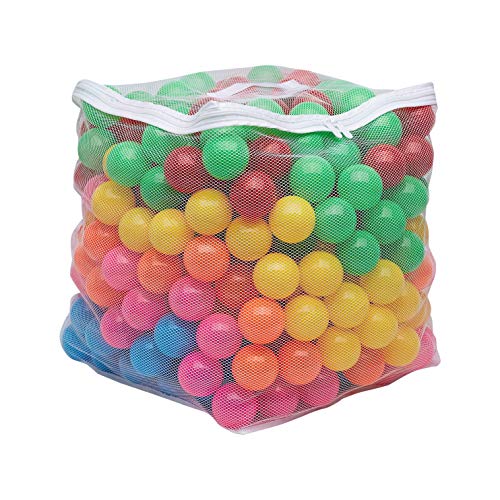
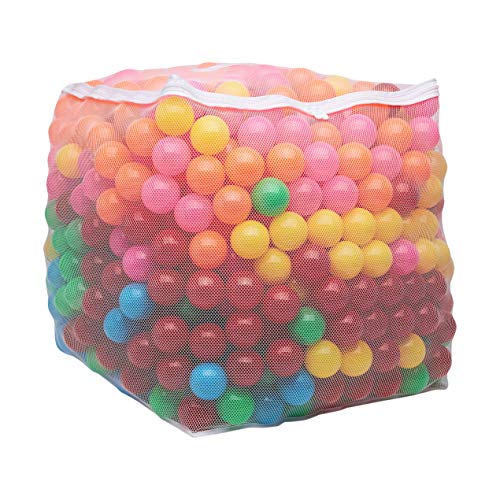
Plastic balls for ball pits are lightweight, hollow spheres typically made from polyethylene or polypropylene. They are designed to be crush-resistant, non-toxic, and safe for children to crawl, roll, and play in. These balls come in various sizes — most commonly 2.2 to 3.1 inches (5.5 to 8 cm) in diameter — and are available in vibrant colors that stimulate visual development.
Unlike sports balls or toy marbles, ball pit balls are engineered for volume play. A standard home ball pit may require anywhere from 100 to 500 balls to create a comfortable, immersive layer. The right ball size prevents choking hazards and ensures a soft, buoyant feel that kids love.
Modern ball pit balls are also used beyond traditional ball pits — in play tents, sensory bins, kiddie pools, and even as decorative elements for events. Their versatility makes them a staple in homes, daycares, and indoor playgrounds alike. If you are outfitting a larger play space, you may also want to explore play tents with tunnel and ball pit combinations for a complete experience.
Key Features to Evaluate Before You Buy
Not all ball pit balls are created equal. When you're researching options, pay close attention to the following characteristics — they directly impact safety, durability, and play value.
1. Material and Safety Certification
The best ball pit balls are made from BPA-free, phthalate-free, and lead-free plastic. Look for certifications such as ASTM F963 (US toy safety standard), EN71 (European toy safety), or CPSIA compliance. These certifications confirm that the plastic has passed rigorous testing for toxic substances and physical hazards.
Non-toxic polyethylene (PE) is the most common material. It's lightweight, impact-resistant, and does not degrade quickly under normal indoor use. Some premium balls use food-grade plastic, which adds an extra layer of reassurance for parents of mouthing toddlers.
2. Ball Size and Choking Hazard
The standard diameter for ball pit balls is 2.75 to 3.1 inches (7 to 8 cm). This size is specifically chosen to exceed the choke-tube test threshold, making it safe for children over 3 years old. For toddlers under 3, always supervise play and consider larger balls (3.5 inches or more) or a ball pit designed for younger children.
If you're setting up a play area for toddlers, you may find our guide on outdoor toys for 2-year-olds helpful for complementary play equipment.
3. Crush Resistance and Shape Retention
Children love to squeeze, stomp, and sit on ball pit balls. Higher-tier balls are engineered with thicker walls and reinforced seams to resist crushing. Entry-level balls may dent permanently after repeated compression, while premium options bounce back to their original shape.
If you're planning heavy use in a commercial or daycare setting, prioritize high-end tier or commercial-grade balls. Our article on playground equipment for daycare centers covers similar durability considerations.
4. Color Fastness and Surface Texture
Cheaper balls may lose their color over time or develop a sticky surface. Premium balls use color-integrated plastic (not painted) and have a smooth, polished finish that resists dirt and is easy to wipe clean. This is especially important if the ball pit is used outdoors or in a humid environment.
Comparing Ball Pit Ball Tiers
To help you choose the right option for your needs, here's a tier-based comparison. This system reflects relative market positioning rather than specific numeric values.
| Tier | Best For | Key Characteristics | Durability |
|---|---|---|---|
| Entry-Level | Occasional home use, light play | Basic PE plastic, standard colors, thinner walls | Moderate; may dent under heavy compression |
| Mid-Range | Regular home use, family ball pits | BPA-free PE, reinforced seams, good color fastness | Good; retains shape well with normal use |
| Premium | Frequent use, toddlers, indoor playgrounds | Food-grade plastic, crush-resistant design, smooth finish | High; excellent shape retention and easy to clean |
| Commercial-Grade | Daycares, play centers, heavy traffic | Thick-walled construction, UV-stabilized, ASTM/EN71 certified | Maximum; engineered for continuous use |
How Many Balls Do You Need?
One of the most common questions buyers ask is: "How many balls will fill my ball pit?" The answer depends on the pit's dimensions and the desired depth of the ball layer. Here's a practical guideline:
- Small play tent (approx. 3 x 3 ft): 100–150 balls for a shallow layer
- Standard home ball pit (approx. 4 x 4 ft): 200–300 balls
- Large ball pit (approx. 5 x 5 ft or more): 400–500+ balls
For a more immersive experience, aim for a ball depth of at least 4 to 6 inches. If you're combining a ball pit with other play structures, check out our playground set guides for ideas on integrating active play zones.
Safety Tips for Ball Pit Play
- Age-appropriate supervision: Always supervise children under 3 years old during ball pit play.
- Inspect regularly: Check for cracked, crushed, or broken balls and remove them immediately.
- Clean periodically: Wipe balls with mild soap and water; avoid harsh chemicals that may degrade the plastic.
- Limit ball pit capacity: Avoid overcrowding — too many balls can create a suffocation risk for very young children.
- Use on soft surfaces: Place the ball pit on a padded mat or rug to cushion falls when children climb in and out.
For those designing a complete play area, our guide on playground safety surfacing offers additional insight into creating a safe environment.
Creative Play Ideas with Ball Pit Balls
Ball pit balls aren't just for pits! Here are a few ways to extend the play value:
- Color sorting games: Encourage toddlers to sort balls by color into separate bins.
- Sensory bins: Combine balls with scoops and containers for a tactile learning experience.
- Obstacle courses: Use balls as markers or soft obstacles in indoor and outdoor play.
- Counting practice: Turn cleanup time into a counting game for preschoolers.
If you're looking for more active play inspiration, explore our outdoor toys collection for year-round fun.
Related Play Equipment Guides
Building a complete play space? These guides may be helpful:
Ready to Fill Your Ball Pit?
Browse our hand-picked selection of safe, durable plastic balls trusted by parents and play centers alike.
See Recommended ProductsFrequently Asked Questions
What size are standard ball pit balls?
Most ball pit balls measure between 2.75 and 3.1 inches (7–8 cm) in diameter. This size is designed to be safe for children over 3 years old and large enough to prevent choking hazards.
Are plastic ball pit balls safe for toddlers?
Ball pit balls are generally safe for toddlers when supervised. Choose balls that are BPA-free, phthalate-free, and certified to ASTM F963 or EN71 standards. For children under 3, always provide close supervision and consider larger balls.
How do I clean ball pit balls?
Wipe balls with a damp cloth and mild soap, then rinse and air-dry. Avoid bleach or abrasive cleaners. For a deeper clean, place balls in a mesh bag and rinse under running water, then let them dry completely before returning them to the pit.
How many balls do I need for my ball pit?
A small play tent typically needs 100–150 balls, a standard home ball pit needs 200–300 balls, and a large pit may require 400–500 or more. Aim for a ball depth of at least 4–6 inches for comfortable play.
Can ball pit balls be used outdoors?
Yes, but choose UV-stabilized or commercial-grade balls for outdoor use to prevent fading and degradation. Store balls indoors when not in use to extend their lifespan.