Play Area Fencing: Safety, Style & Smart Choices
Secure your child's play space with the right fence. From materials to installation, get expert insights to create a safe and inviting playground.
Shop Fencing & Safety Gear →🏡 Why fencing matters: A well-designed play area fence does more than mark boundaries—it keeps children safe from traffic, stray animals, and wandering off. It also gives you peace of mind while your kids explore, climb, and imagine. In this guide, we cover everything from materials and height requirements to cost and installation.
Why Every Play Area Needs a Fence
Whether you have a backyard playset, a community playground, or a dedicated indoor play zone, fencing is a non-negotiable safety feature. It creates a contained environment where children can run, jump, and play freely without the risk of running into streets, pools, or other hazards. A sturdy fence also deters unauthorized access and keeps pets out of the play area.
Beyond safety, fencing adds aesthetic value and defines the play zone. It can be designed to match your home's architecture or blend with the natural landscape. Many parents also use fencing to complement climbing frames and swing sets, creating a cohesive outdoor play system.
Choosing the Right Fencing Material
The material you choose affects durability, maintenance, cost, and overall look. Here are the most common options for play area fencing:
🪵 Wood
Classic, natural look. Affordable and easy to customize. Requires staining or sealing every 2–3 years.
Cost: $15–$30 per linear foot
🧱 Vinyl
Low maintenance, durable, and resists rot and insects. Available in many colors and styles.
Cost: $25–$45 per linear foot
🔩 Metal (Aluminum/Steel)
Strong, long-lasting, and modern. Powder-coated finishes resist rust. Ideal for high-traffic areas.
Cost: $30–$60 per linear foot
🔗 Chain Link
Budget-friendly and secure. Often used for large playgrounds. Can be combined with privacy slats.
Cost: $10–$20 per linear foot
For most home play areas, wood and vinyl are the top choices due to their balance of cost, appearance, and safety. Backyard obstacle courses often benefit from a combination of wood and metal for added durability.
Safety Standards & Height Requirements
Play area fencing must meet specific safety guidelines to prevent accidents and entrapment. The Consumer Product Safety Commission (CPSC) and ASTM International provide standards for public playgrounds, but these are also excellent benchmarks for home play areas.
Key safety tips:
- Height: Minimum 4 feet (1.2 m) for residential; 6 feet (1.8 m) for public areas.
- Spacing: Vertical pickets should be no more than 3.5 inches (9 cm) apart to prevent head entrapment.
- Gate latches: Use self-closing, self-latching gates with hardware out of children's reach.
- No sharp edges: All corners and edges must be rounded or capped.
- Visibility: Choose designs that allow adults to see children from outside.
If you're also considering playground safety surfacing, ensure your fence integrates with the ground cover to prevent gaps where children could crawl under.
Cost Breakdown: What to Expect
Fencing costs vary widely based on material, height, length, and labor. Here's a realistic look at total project costs:
| Material | Material Cost (per ft) | Installation Cost (per ft) | Total Cost (per ft) |
|---|---|---|---|
| Wood (Pine) | $15 | $10 | $25 |
| Wood (Cedar) | $25 | $12 | $37 |
| Vinyl | $35 | $15 | $50 |
| Aluminum | $45 | $18 | $63 |
| Chain Link | $12 | $8 | $20 |
For a typical 100-foot play area, expect to pay $2,000–$6,300 depending on material and installation. DIY can save 30–50% on labor, but ensure you follow safety guidelines.
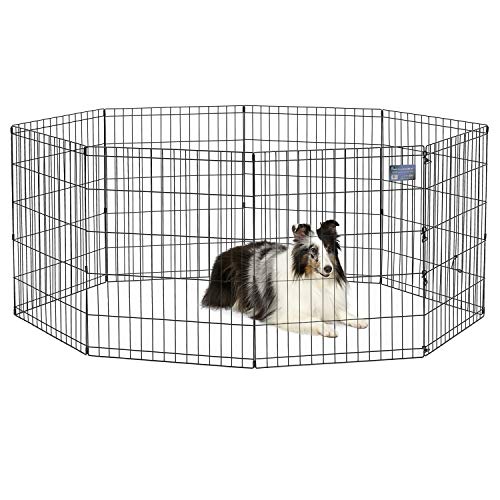
If you're on a tighter budget, consider starting with a toddler soft play enclosure or portable fencing that can be moved and expanded as needed.
Design Ideas & Creative Fencing Styles
Your play area fence can be both functional and beautiful. Here are some design inspirations:
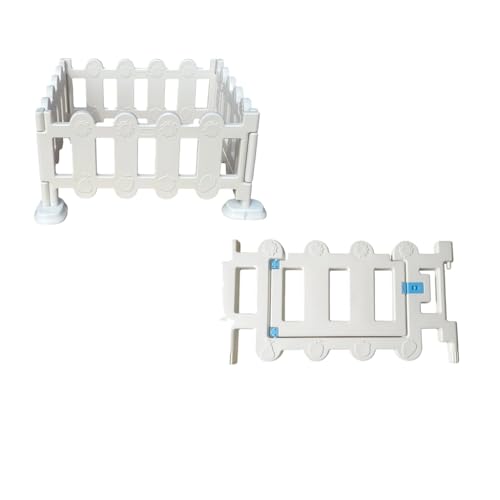
- Picket fences: Classic and charming, ideal for cottage-style gardens.
- Horizontal slat: Modern and sleek, offers privacy without feeling closed in.
- Living fences: Combine with shrubs or hedges for a natural boundary that grows with your child.
- Colorful panels: Paint sections in bright colors to make the play area more inviting.
Many families also incorporate interactive play panels directly into the fence for added fun. This turns the boundary into an activity wall!
Installation & Ongoing Maintenance
Proper installation is key to a safe, long-lasting fence. Here's what to keep in mind:
- Post depth: Set posts at least 2 feet deep in concrete for stability.
- Check for utilities: Always call 811 before digging to locate underground lines.
- Gate placement: Position gates away from high-traffic areas and ensure they swing outward.
- Regular inspections: Check for loose boards, rust, or damage after storms.
Wood fences need staining or sealing every 2–3 years. Vinyl and metal require occasional cleaning with soap and water. Toy maintenance guides often include tips for keeping play structures and fences in top shape.
Frequently Asked Questions
Q: Do I need a permit for a play area fence?
A: Most municipalities require a permit for fences over 4 feet. Check your local zoning laws before installing.
Q: What’s the best fence for a toddler?
A: Vinyl or wood with closely spaced pickets (under 3.5 inches) is safest. Avoid chain link near very young children as they can climb it.
Q: Can I install fencing myself?
A: Yes, many homeowners successfully DIY. However, hiring a professional ensures compliance with safety standards and can save time.
Q: How high should a playground fence be?
A: At least 4 feet for residential, 6 feet for commercial or public play areas.
✅ Ready to secure your play area? A well-chosen fence gives you peace of mind and your kids a safe haven to explore. Whether you prefer the warmth of wood or the durability of vinyl, invest in quality materials and proper installation. Browse our recommended products below to find the best fencing accessories, gates, and safety gear for your project.