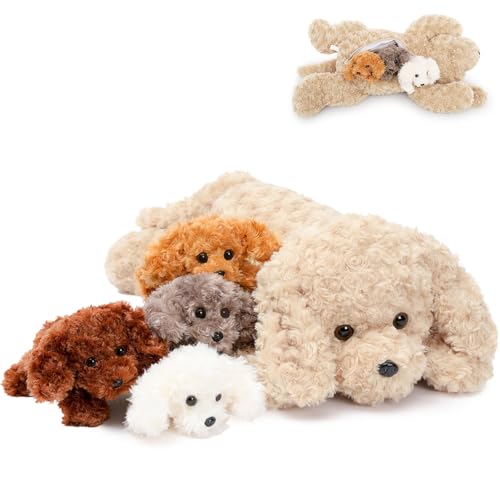
Three Ways to Make a Stuffed Animal That Looks Like Your Dog
There is no single path to a dog replica plush. Your choice depends on your crafting confidence, the level of realism you want, and how much time you can invest. Below is a comparison of the three most popular approaches, followed by detailed guidance for each.
| Method | Best For | Tier | Skill Level |
|---|---|---|---|
| DIY Kit | Beginners and families who want a fun craft project | Entry-level | No experience needed |
| Photo-Based Custom Service | Realistic likeness with minimal effort | Mid-range to premium | None — you send photos |
| Sew From Scratch | Crafters who want full control over details | Mid-tier materials, high effort | Intermediate to advanced |
Option 1: DIY Stuffed Animal Kits
DIY kits are the most accessible route. A make-your-own stuffed animal kit in bulk is especially useful for parties, classrooms, or families with multiple children who each want a dog plush. Most kits include pre-cut fabric patterns, stuffing, thread, and instructions. You choose fur color and eye style to match your dog.
- Pros: No sewing machine required, affordable entry point, fun family activity, quick results.
- Cons: Less realistic than custom services; limited breed-specific shapes.
- Tip: Pick a kit with minky or faux fur that matches your dog's coat length. Short-coated breeds look best with smooth minky; long-haired dogs need longer faux fur.
Option 2: Photo-Based Custom Plush Services
If realism matters most, a professional service that turns a photo into a plush is the strongest choice. You upload clear photos of your dog from multiple angles, select coat color and size, and the maker produces a plush replica. This is essentially the same process as turning a picture into a stuffed animal, but specifically focused on canine features such as ear shape, muzzle length, and tail carriage.
- Pros: Highest realism, no crafting skill needed, excellent for memorial or gift purposes.
- Cons: Longer lead time, premium tier positioning.
- Tip: Provide photos in natural light with clear views of the face, ears, and body. Mention distinctive markings like a white chest patch or eyebrow spots.
Option 3: Sew a Dog Plush From Scratch
For crafters, sewing from scratch offers complete creative control. You can draft a pattern based on your dog's proportions or adapt an existing pattern. This approach overlaps with making your own stuffed animal from scratch and lets you incorporate personal touches like a collar made from your dog's old bandana.
- Pros: Total control over fabric, stuffing, size, and details; deeply rewarding.
- Cons: Requires pattern-making and sewing skills; mistakes are harder to undo.
- Tip: Start with a simple sitting pose rather than a standing pose. Practice on scrap fabric before cutting your final plush fabric.
Step-by-Step: How to Make a Stuffed Animal That Looks Like Your Dog
The following steps apply whether you use a kit, sew from scratch, or prepare photos for a custom service. The key to a convincing replica is observation — study your dog's silhouette, coat pattern, and facial expression before you begin.
-
Observe and document your dog's features
Take photos from the front, side, and top. Note ear shape (floppy, erect, folded), muzzle length, tail style (curled, straight, docked), and any distinctive markings. These details drive fabric choice and pattern adjustments.
-
Choose the right fabric and stuffing
Match fabric texture to coat type: minky for smooth coats, faux fur for fluffy breeds, and cotton for short-haired or patchy coats. Use hypoallergenic polyester fiberfill for stuffing; it holds shape well and is washable.
-
Select a pattern or kit that matches your dog's body type
Small breeds like Chihuahuas need a compact body and larger head proportion. Large breeds like Labradors need a longer torso and sturdier stitching. A make-your-own stuffed animal kit often includes multiple body shapes.
-
Cut and sew the pieces
Pin patterns to fabric, cut with sharp scissors, and sew with a consistent seam allowance. Turn pieces inside out before stuffing. For a realistic look, add safety eyes and embroidered nose and mouth details.
-
Stuff firmly and shape the plush
Add stuffing in small handfuls, starting with limbs and tail, then the body and head. Use a chopstick to push stuffing into corners. Overstuff slightly so the plush holds its shape when hugged.
-
Add finishing touches
Attach ears, embroider facial features, and add a collar or bandana. If your dog has a distinctive spot, use fabric markers or appliqué patches. A make my pet into a stuffed animal service can replicate these details more precisely if you prefer professional help.
Choosing the Right Materials for a Dog Replica Plush
The materials you choose directly affect how closely the stuffed animal resembles your dog. Here is a quick reference for common coat types and matching fabrics:
- Short, smooth coats (Boxer, Beagle, Doberman): Minky fabric or soft velvet provides a realistic sheen without long fibers.
- Medium coats (Golden Retriever, Labrador): Medium-pile faux fur mimics the natural wave and length.
- Long, fluffy coats (Husky, Pomeranian, Shih Tzu): Long-pile faux fur or yarn-based wig fibers create the shaggy look.
- Curly coats (Poodle, Bichon Frise): Curly faux fur or bouclé fabric captures the texture; brush with a pet slicker brush after stuffing.
- Markings and patches: Use fabric paint, appliqué, or airbrushing for spots, socks, and facial masks.
For premium realism, look at luxury stuffed animals as reference points for stitching quality, stuffing density, and finish details. Even if you are making your own, studying high-end plush construction helps you raise your result's quality.
Life-Size vs. Mini Replica: Which Size Is Right?
Size affects both the emotional impact and the practical use of the plush. A life-size stuffed animal of your dog can serve as a comforting presence for children or a striking display piece. Smaller replicas are easier to transport, clean, and store.
- Life-size plush: Best for memorial purposes, comforting children during separation, or honoring a large breed. Requires more fabric and stuffing, and takes longer to sew or commission.
- Mini or desk-size plush: Best for travel, school bags, or gifting. Faster to make and easier to replicate facial details at a small scale.
- Half-size or display plush: A balanced choice for shelves and beds; captures likeness without the space demands of a full-size replica.
If you want inspiration for realistic large-scale replicas, explore how a life-size Golden Retriever stuffed animal or a life-size Bernese Mountain Dog stuffed animal is constructed. The same proportion and stitching principles apply when you make your own.
Memorial and Keepsake Considerations
Many people choose to make a dog replica plush as a memorial after a pet passes. If that is your goal, consider incorporating a piece of your dog's clothing, collar, or blanket into the plush. This practice overlaps with memorial stuffed animals made from clothing and memory bears made from loved ones' clothes.
- Use a small piece of fabric from your dog's bed or bandana as an inner patch or ear lining.
- Add a hidden pocket with a few strands of fur (if available) or a written note.
- Consider a memorial teddy bear with the voice of a loved one style voice box if you have a recording of your dog barking or tags jingling.
- Choose neutral, durable fabrics for long-term display and handling.
Ready to Create Your Dog's Plush Twin?
Browse recommended plush-making kits, custom services, and dog replica toys in our curated product section below.
View Recommended OptionsTips for a More Realistic Dog Stuffed Animal
- Study the silhouette first: A correct body outline reads as your dog even before fine details are added.
- Get the ears right: Ear shape and position are the most recognizable breed markers. Pin ears temporarily before sewing to check the look.
- Use safety eyes for children's plush: If the stuffed animal will be handled by young children, avoid small plastic eyes that can detach. Embroidered eyes are safest.
- Match the muzzle length: A Labrador has a deep, square muzzle; a Collie has a long, tapered one. Adjust stuffing density to replicate the shape.
- Add asymmetry: Real dogs often have one ear that flops differently or a tilted head. Subtle asymmetry makes the plush feel alive.
- Brush the fur: After stuffing, brush faux fur with a pet brush to blend seams and fluff the coat.
Frequently Asked Questions
Turnaround depends on the method. DIY kits typically take a few hours to a weekend. Professional custom plush makers usually require two to six weeks depending on complexity and order volume. If you sew from scratch, expect several days of active work plus time for pattern adjustments.
Yes. Many services accept photos and create a plush replica using image-based pattern design. You can also use photo-based DIY kits or hire a custom plush artist who works from photographs. The more angles and detail you provide, the closer the replica will be.
Soft minky fabric is popular for short coats, faux fur works well for long-haired breeds, and cotton or linen suits patch details. Use hypoallergenic stuffing and secure stitching for durability. Safety eyes are recommended for adult collectibles; embroidered eyes are safer for young children.
Custom services produce the most realistic results because they design patterns from your photos and specialize in breed-specific features. DIY kits are better for budget-conscious crafters, family activities, and beginners who want a fun project rather than a museum-quality replica.
Check the fabric care instructions first. Most minky and faux fur plush can be surface-washed with mild soap and a damp cloth, then air-dried. If the plush is sewn with removable stuffing, you can machine-wash the outer shell on a gentle cycle. Avoid high heat, which can melt synthetic fibers.
Related Guides and Next Steps
If you are exploring custom plush options, these related resources can help you refine your project:
- Learn how to make your pet into a stuffed animal with professional photo submission tips.
- Compare make-your-own stuffed animal from a picture kits for photo-based crafting.
- Explore life-size stuffed animal of your dog options for large-scale replicas.
- If you are gifting to a child, pair the plush with learning toys for 4-year-olds or learning toys for 8-10-year-olds for a complete gift set.
- For dog-themed play, consider life-size German Shepherd stuffed animals as a breed-specific reference.
Making a stuffed animal that looks like your dog is a meaningful project whether you sew it yourself or commission a maker. Focus on the features that make your dog unique — the tilt of an ear, the pattern of a coat, the shape of a muzzle — and the finished plush will carry the same spirit as your real companion.