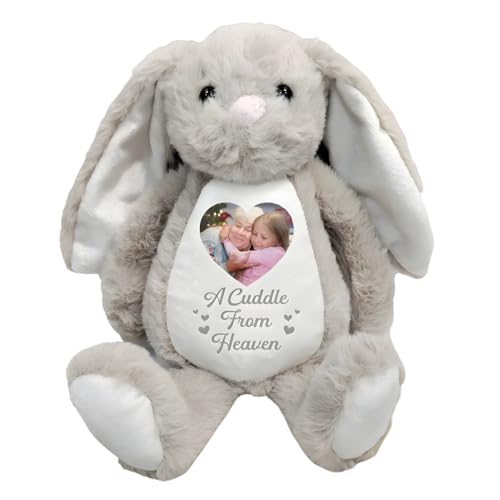
What Memorial Stuffed Animals Made from Clothing Actually Are
A memorial stuffed animal is a custom plush toy sewn from the fabric of a deceased loved one's garments. The maker deconstructs the clothing, cuts pattern pieces, and reassembles the fabric into a bear, bunny, or other animal shape. The result is a soft, three-dimensional object that carries the texture, color, and sometimes the scent of the original clothing.
These keepsakes sit at the intersection of craft, grief support, and textile art. They are not mass-produced toys. Each one is a one-of-a-kind commission, and the quality depends heavily on the maker's pattern design, sewing skill, and fabric handling. For families who want a tangible connection, a memory bear often becomes the most treasured item in the home.
Why Families Choose Clothing Keepsakes
Grief counselors and bereavement organizations frequently note that tactile reminders help people process loss. Clothing holds particular power because it was worn against the body — it carries shape, wear patterns, and sometimes scent. A folded shirt in a closet is preserved but distant. A stuffed animal made from that shirt is something you can hold during a difficult moment.
Common reasons families commission these pieces include:
- Comfort for children. A plush made from a parent's or grandparent's clothing gives a child something to hug and talk to.
- Shared family objects. When multiple relatives want a keepsake, a maker can sew several small bears from one set of garments.
- Ritual and closure. The process of selecting clothing and discussing the design can itself be a meaningful part of mourning.
- Legacy display. Some families display the finished piece on a shelf or memory table rather than using it as a play toy.
If you are exploring other ways to preserve a pet's memory, the same principles apply — see our guide to life-size stuffed animals of your dog for a parallel approach.
Fabric Selection and Preparation
Not all clothing works equally well. The maker's pattern is designed around woven fabrics with some body, and very stretchy or delicate materials require extra handling. Before you ship garments to a maker, understand what sews well and what does not.
Fabrics that work well
- Cotton shirting and blouses. Stable, easy to cut, and takes embroidery cleanly.
- Flannel and brushed cotton. Soft, warm, and ideal for a comfort-focused plush.
- Denim and chambray. Durable and gives the plush a structured, weighted feel.
- Light wool and tweed. Works for jackets and coats, though it may need lining for softness.
- Linen and canvas. Sturdy and holds shape well, though it can fray if not finished properly.
Fabrics that need special handling
- Stretch knits and jersey. T-shirts are popular choices, but they stretch during sewing. Makers usually apply fusible interfacing to stabilize the fabric.
- Silk and satin. Slippery and delicate; often used for accent panels rather than the main body.
- Sheer or lace fabrics. Best used as decorative overlays, not structural panels.
- Heavily worn or stained items. Makers can often work around damage, but discuss placement in advance.
Practical tip: Most makers ask for one to three garments. A single large shirt can yield a small bear; a larger keepsake or multiple bears may need two or three items. Always confirm the required quantity before shipping anything, and keep at least one garment in reserve in case of a cutting error.
If the clothing has special meaning beyond fabric — for example, a uniform, a wedding shirt, or a child's first outfit — mention this to the maker. They can often incorporate a pocket, button placket, or embroidered logo as a visible feature on the finished plush.
How Memorial Stuffed Animals Are Made
The process varies by maker, but most commissions follow a similar sequence. Understanding it helps you set realistic expectations and ask the right questions.
- Consultation. You discuss the animal shape, size, number of pieces, and any embroidery. The maker confirms how many garments are needed.
- Fabric preparation. Garments are washed (or not, depending on your preference), deconstructed, and interfaced where necessary.
- Pattern cutting. The maker lays out pattern pieces to preserve distinctive features — a pocket, a hem, a button row — and cuts the fabric.
- Sewing and stuffing. Panels are sewn together, turned, and stuffed. Quality makers use dense, resilient filling and reinforce seams at stress points.
- Finishing. Eyes, noses, and any embroidery are added. Some makers include a small heart made from the same fabric, sewn inside the plush.
- Quality check and return. The finished piece is inspected, photographed, and shipped back with any unused fabric.
Turnaround times vary widely. A small maker working alone may need several weeks; a larger studio may be faster but less personal. Always ask for a realistic timeline before committing, especially if the piece is intended for a specific anniversary or holiday.
Quality Tiers: What to Expect at Each Level
Memorial plush commissions fall into recognizable tiers. Rather than focusing on numbers, use these descriptors to compare makers on construction quality, customization depth, and service.
| Tier | Typical Characteristics | Best For |
|---|---|---|
| Essential tier | Standard bear pattern, simple fabric panels, basic polyfill stuffing, minimal customization. Fewer size options. | Families who want a straightforward keepsake and are comfortable with a simpler finish. |
| Balanced tier | Choice of animal shape and size, interfacing on stretch fabrics, reinforced seams, optional name embroidery. Denser filling. | Most families — a solid balance of durability, personalization, and turnaround. |
| Premium tier | Custom pattern adjustments, feature preservation (pockets, buttons, logos), detailed embroidery, premium stuffing, optional scent sachet or voice module. | Families who want a display-quality piece with deep personalization. |
| Luxury tier | Fully bespoke design, hand-finished details, multiple coordinated pieces from one wardrobe, archival packaging, and documentation of the build. | Large families commissioning several keepsakes, or those seeking an heirloom-grade object. |
Higher tiers are not automatically better for every family. A simple, well-sewn bear from a maker who communicates clearly can be more meaningful than an elaborate piece from a studio that treats the commission as a production line. Match the tier to your priorities: durability, personalization, speed, or display quality.
Customization Options Worth Considering
Beyond the animal shape, several add-ons can make the finished piece more personal. Discuss these during the consultation so the maker can plan the pattern accordingly.
- Embroidery. Names, dates, or a short message on a paw pad or belly panel. Confirm thread color and placement.
- Feature preservation. Using an original pocket, button placket, or collar as a visible element on the plush.
- Voice modules. A small recorded message sewn into the plush. Our guide to a memorial teddy bear with the voice of a loved one covers the practical and emotional considerations.
- Scent sachets. A removable pouch that carries a familiar fragrance, if the clothing's original scent has faded.
- Multiple pieces. Coordinated small bears for siblings or grandchildren, cut from the same garments.
- Heart inset. A small fabric heart sewn inside the plush, sometimes with a handwritten note enclosed.
How to Choose a Maker
The maker matters more than the pattern. A skilled seamstress with a simple bear design will produce a better keepsake than an inexperienced maker with an elaborate catalog. Use these criteria when comparing services.
- Portfolio evidence. Ask to see finished pieces made from clothing, not just studio samples. Look at seam quality, stuffing density, and how the maker handles patterned or striped fabric.
- Clear communication. A good maker asks questions about fabric, features, and timeline before accepting the commission. Vague responses are a warning sign.
- Fabric handling policy. Confirm whether garments are washed, whether interfacing is used on knits, and what happens to unused fabric.
- Written agreement. A simple written summary of the design, timeline, and what is included protects both sides. Avoid makers who will not put details in writing.
- Reviews and references. Look for reviews that mention grief-sensitive communication, not just the finished product.
If you are also considering a pet memorial, the maker-selection principles overlap with those for making a stuffed animal that looks like your dog. The difference is mainly in the source material: clothing versus photographs and measurements.
Care and Preservation
A memorial plush is not a play toy, even if a child uses it for comfort. Treat it as a textile heirloom and clean it gently.
- Spot clean first. Use a mild detergent on a damp cloth and blot — do not rub — soiled areas.
- Avoid machine washing unless the maker explicitly says the construction can withstand it. Stuffing can clump and seams can stress.
- Air dry only. Heat can shrink or distort both fabric and filling.
- Store away from direct sunlight to prevent fading, especially for dark or brightly colored garments.
- Keep a record. Note which garments were used and any embroidery details. Future generations will appreciate the provenance.
For families preserving multiple pieces, a labeled archival box with acid-free tissue is a sensible long-term approach. If the plush will be displayed, rotate it periodically so one side does not fade unevenly.
Related Keepsake Ideas
Memorial stuffed animals are one option among several. Some families combine approaches — for example, a memory bear plus a quilt made from the remaining garments. Related guides worth reading:
- Making teddy bears from loved ones' clothing — a deeper look at the sewing process.
- Memory bears made from loved ones' clothes — design and fabric considerations.
- Make your own stuffed animal from a picture — useful if you want to combine clothing fabric with a likeness.
- Luxury stuffed animals — understanding premium construction standards.
If the keepsake is intended for a child, consider pairing it with a book or activity that supports grief processing. The plush itself is a comfort object, not a substitute for conversation and support.
Frequently Asked Questions
What are memorial stuffed animals made from clothing?
They are custom keepsake plush toys sewn from the fabric of a loved one's garments. The maker deconstructs the clothing and reassembles it into a bear, bunny, or other animal shape, creating a tactile reminder that families can hold or display.
Which fabrics work best for a memory bear?
Mid-weight woven fabrics such as cotton shirting, flannel, denim, and light wool work best. Stretchy knits and sheer materials require stabilizing interfacing or should be used only as accent panels.
How many garments are needed?
Most makers request one to three garments, depending on the plush size and how many pieces you are commissioning. A single large shirt can often yield one small bear; multiple bears may require more clothing.
Can the plush include embroidered names or dates?
Yes. Many services offer optional embroidery for names, dates, or short messages. Confirm thread color and placement during the consultation, as this is usually handled as a separate add-on.
How should I clean a memorial stuffed animal?
Spot clean with a mild detergent on a damp cloth, blot rather than rub, and air dry only. Avoid machine washing unless the maker confirms the construction can withstand it. Store away from direct sunlight.