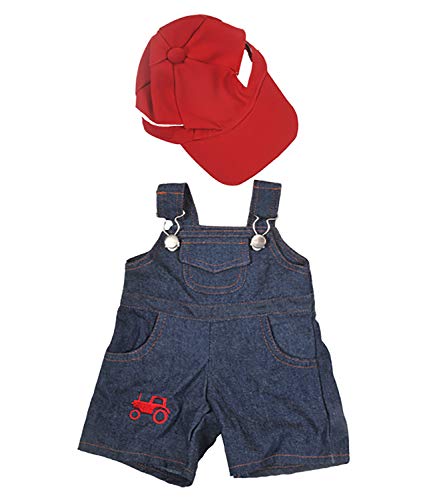
Making Teddy Bears from Loved Ones' Clothing
Transform cherished garments into a lasting memory bear — a heartfelt keepsake that honors someone special and brings comfort for years to come.
Why a memory bear? When a loved one passes or a child outgrows a meaningful outfit, the fabric often holds memories that are hard to part with. A teddy bear made from that clothing turns sentimental material into something you can hold, display, and pass down. Whether you sew it yourself or commission a maker, the result is a deeply personal keepsake — far more meaningful than anything you could buy off a shelf.
Choosing the Right Clothing and Fabric
The fabric you choose determines both the look and the longevity of your memory bear. Not every garment is suitable, so evaluate each piece before cutting.
Best Fabric Types
Cotton, flannel, denim, corduroy, and medium-weight knits hold shape well and sew cleanly. These fabrics resist fraying and give the bear a satisfying weight. For a softer feel, brushed cotton and fleece are excellent choices, though fleece can be slightly bulkier to work with.
Fabric to Avoid
Very thin, sheer, or highly stretchy materials (like silk, chiffon, or athletic jersey) are harder to sew and may tear at seams. If a garment is emotionally essential but structurally weak, consider using it as an accent panel rather than the main body fabric.
Preserving Sentimental Details
Pockets, buttons, embroidery, collars, and cuffs carry the strongest emotional weight. Plan your pattern layout so these details land on visible areas — a pocket on the bear's belly, a button as a nose, or a collar as a decorative scarf. These small touches turn a generic bear into a true keepsake.
How Much Fabric Do You Need?
A standard 12- to 16-inch teddy bear typically requires about 1 to 1.5 yards of usable fabric, depending on the pattern and whether you cut on the grain. Larger bears (18 inches and up) need more material. Before cutting, wash and dry all garments to remove shrinkage and check for weak areas, stains, or holes that could compromise the finished bear.
Sewing vs. No-Sew vs. Professional Services
There are three main paths to a finished memory bear, each suited to different skill levels and time commitments.
| Tier | Approach | Best For |
|---|---|---|
| Starter tier | No-sew memory bear kit | Beginners, gift-givers, and those who want a simple project with fabric glue and pre-cut patterns. |
| Mid-tier | DIY sewing with a pattern | Crafters with basic machine-sewing experience who want full creative control over layout and details. |
| High-end tier | Professional memory bear service | Those who want a flawless, durable result and prefer to send garments to an experienced maker. |
Step-by-Step: Making a Memory Bear
- Gather and assess garments. Wash, dry, and iron each piece. Inspect for weak spots and decide which parts will feature prominently.
- Choose a pattern. Select a teddy bear pattern sized to your fabric quantity. Print and assemble the pattern pieces, then lay them out on the fabric to plan detail placement.
- Cut carefully. Pin pattern pieces and cut along the grain where possible. Keep extra fabric for patching or repairs later.
- Sew the body and limbs. Follow the pattern's seam allowances, clip curves, and turn pieces right-side out. Stuff firmly but evenly to avoid lumps.
- Add the face and details. Attach eyes and nose securely — embroidered or safety eyes are best for durability. Incorporate buttons, pockets, or embroidery from the original garments.
- Assemble and finish. Join limbs to the body, close seams, and brush or steam the bear to settle the fabric. Add a small tag noting the source clothing if desired.
If you enjoy personalized keepsakes, you may also be interested in options for memorial stuffed animals made from clothing or a memory bear made from loved ones' clothes. For those exploring related creative projects, making your own stuffed animal offers a broader introduction to the craft, while a full guide to making your own stuffed animal covers patterns, stuffing choices, and finishing techniques.
Caring for Your Memory Bear
Memory bears are delicate because the fabric may be older or irreplaceable. Spot-clean when possible and avoid machine washing unless the fabric is durable and colorfast. Store the bear away from direct sunlight and excessive moisture. If the bear holds a voice recording or other embedded keepsake, protect it from water and heat. A well-cared-for memory bear can become a family heirloom passed down through generations.
Ready to Create a Lasting Keepsake?
Explore memory bear kits, patterns, and related keepsake options to start your project today.
Explore Memorial KeepsakesFrequently Asked Questions
What type of clothing works best for making a memorial teddy bear?
Durable fabrics like cotton, flannel, denim, and knit work best. Avoid very thin, stretchy, or fragile materials that may tear during sewing. Combining multiple garments can add texture and meaning.
How much fabric do I need to make a teddy bear from clothing?
A standard 12- to 16-inch teddy bear typically requires about 1 to 1.5 yards of usable fabric. Larger bears need more. Always wash and inspect garments for stains or weak areas before cutting.
Can I make a memory bear without sewing skills?
Yes. No-sew memory bear kits and professional memory bear services exist. No-sew kits use fabric glue and pre-cut patterns, making them accessible for beginners.
How do I preserve the clothing's sentimental features in the bear?
Incorporate pockets, buttons, embroidery, or collars into the bear's design. These details carry emotional weight and make the keepsake more personal.