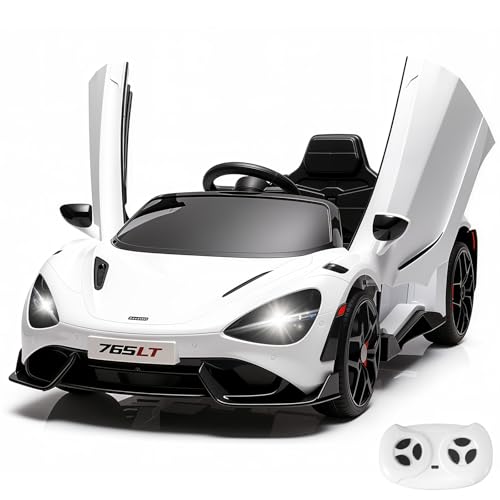
Electric Cars for 10 Year Olds to Drive with Roof
A complete buying guide to roofed ride-on cars for ten-year-olds — covering safety, features, battery life, and how to pick the right model for confident, sheltered driving fun.
A roofed electric car gives a 10-year-old the thrill of independent driving while adding a layer of weather protection and a more realistic, grown-up feel. But with so many models on the market, the real question is which features actually matter for safety and long-term enjoyment. This guide walks you through the essentials — from speed limits and parental controls to battery range and build quality — so you can choose with confidence.
Why Choose a Roofed Electric Car for a 10-Year-Old?
A roof is more than a visual upgrade. It shields the driver from sun and light rain, which extends usable driving time across the year. It also adds structural rigidity to the cabin and often comes with a windshield and side mirrors, creating a more enclosed, cockpit-like experience that older kids find far more engaging than an open-top ride-on.
For a 10-year-old, this sense of realism matters. At this age, children want toys that feel like the real thing, and a roofed car delivers that. Many models in this category also include working headlights, dashboard details, and even entertainment panels, all of which deepen the play experience and keep the car in use long after the novelty fades. If you are still comparing body styles, it helps to review the wider range of electric ride-on toys for 10-year-olds to see how roofed models compare with open-top alternatives.
Key Features to Look For
Not every roofed car is built to the same standard. Focus on the following features when comparing models, as they have the biggest impact on safety and day-to-day usability.
- Sturdy roof and windshield: A reinforced roof that does not flex or rattle, paired with a shatter-resistant windshield, protects the driver and holds up to repeated use.
- Parental remote control: Essential for supervision. A remote lets you override steering and speed instantly, which is invaluable when a child is still building confidence.
- Seat belt and safety harness: A properly anchored seat belt is non-negotiable for any ride-on car capable of real speed.
- Adjustable speed settings: Multiple speed modes let you start slow and increase the pace as your child gains skill and confidence.
- Battery range and charge time: Look for models that deliver at least 60 minutes of continuous driving per charge, with a reasonable recharge time.
- Durable wheels and suspension: Larger, treaded wheels and basic suspension make the ride smoother on grass, gravel, and uneven pavement.
- Weight capacity: Confirm the car is rated for your child's current weight with room to spare, since 10-year-olds vary widely in size.
If you want a more detailed breakdown of how remote control and safety systems work together, our guide on an electric car with parental remote control explains the technology in plain terms.
Comparing Tiers: Entry-Level to Premium
Roofed ride-on cars for 10-year-olds fall into a few broad market tiers. The table below compares them by category rather than by any specific figure, so you can match a tier to your priorities.
| Tier | Best For | Typical Strengths |
|---|---|---|
| Entry-level | First-time drivers and casual use | Simple controls, lightweight build, easy storage, basic roof and windshield |
| Mid-range | Regular use on varied surfaces | Longer battery range, adjustable speeds, parental remote, sturdier roof, better tires |
| Premium | Frequent driving and realistic detail | Reinforced cabin, advanced suspension, entertainment features, extended battery life |
| High-end tier | Serious enthusiasts and multi-terrain use | Heavy-duty construction, high-grade components, sophisticated remote and safety systems |
As a rule, mid-range and premium models tend to offer smoother steering and more reliable battery performance than entry-level options, which is worth considering if the car will be used several times a week. If you are also weighing larger body styles, the guide to 2-seater electric cars for 10-year-olds is a useful companion read.
Safety First: What Parents Need to Know
Even with a roof and a seat belt, supervision remains the most important safety measure. A 10-year-old is old enough to understand basic driving rules but not yet ready to be left unattended in a motorized vehicle. Set clear boundaries before the first drive: define where the car may go, how fast it may travel, and when it must stop.
Check the manufacturer's age and weight guidance carefully, and inspect the car regularly for loose bolts, worn tires, or damaged wiring. Charge the battery according to the manual and avoid overnight charging in unventilated spaces. For a wider view of how roofed models fit alongside other options, the comparison of 4-seater electric cars for 10-year-olds covers larger cabins and family-style seating.
How to Choose the Right Model for Your Child
Start with the driving environment. A smooth driveway or paved path calls for a lighter, more agile car, while grass and gravel demand larger wheels and better suspension. Next, consider your child's temperament: a cautious driver may prefer a car with gentle acceleration and a strong parental remote, while a confident driver will get more out of a model with multiple speed modes.
Then think about storage. Roofed cars take up more space than open-top models, so measure your garage or shed before committing. Finally, check the warranty and availability of replacement parts, since batteries and tires are the components most likely to need attention over time. If you are shopping across ages, the broader category of electric ride-on toys for 8-10 year olds is a good reference point for sizing and feature expectations.
Frequently Asked Questions
Are electric cars with a roof safe for a 10-year-old?
Yes, when chosen correctly. Look for models with a functional roof, seat belt, parental remote control, and speed limits appropriate for a 10-year-old. Always supervise and follow the manufacturer's age and weight guidelines.
What top speed is suitable for a 10-year-old driver?
A top speed around 5 to 8 mph is generally suitable for a 10-year-old in a roofed ride-on car. Many models include adjustable speed settings so you can match the pace to your child's experience and the driving surface.
How long can a roofed electric car run on one charge?
Most mid-range and premium roofed ride-on cars offer 60 to 120 minutes of continuous driving per charge, depending on battery capacity, terrain, and the weight of the driver. Heavier-duty models tend to last longer.
Should a roofed electric car have a parental remote control?
Yes, a parental remote control is highly recommended. It lets you override steering and speed when needed, which is especially useful for a 10-year-old still building confidence and for keeping the car within safe boundaries.