Electric Car with Parental Remote Control: The Complete Buyer's Guide
Everything you need to know about dual-control ride-on cars — how the parental remote works, which safety features matter most, and how to match a model to your child's age and confidence level.
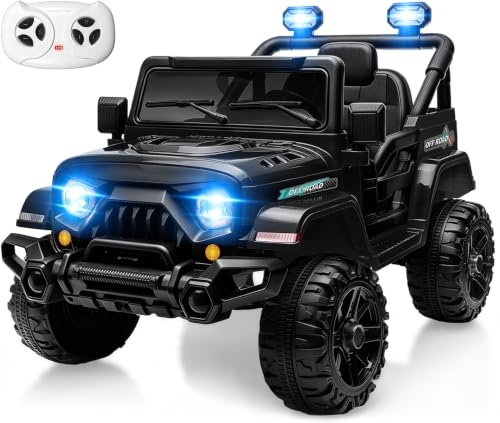
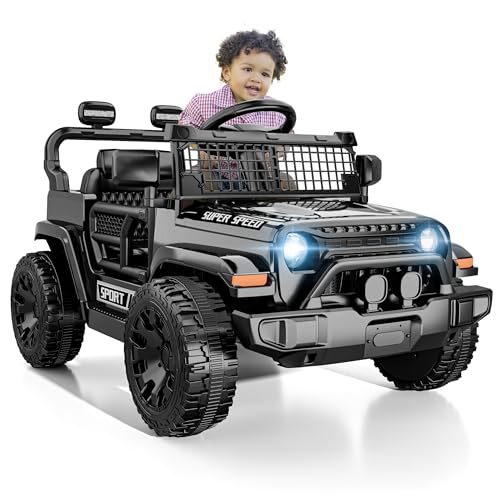
Explore Recommended Models🚗 Why parents love dual-control ride-ons: An electric car with parental remote control bridges the gap between a child's eagerness to drive and an adult's need to keep them safe. The child sits behind the wheel and enjoys the thrill of steering, while the parent holds a remote that can gently correct direction, limit speed, or bring the vehicle to a full stop. It is one of the most reassuring ways to introduce a young child to independent mobility.
What Is an Electric Car with Parental Remote Control?
An electric car with parental remote control is a battery-powered ride-on vehicle equipped with two independent control systems. The child operates the car through a steering wheel, foot pedal, and dashboard switches, exactly like a standard ride-on toy. The parent holds a handheld transmitter that communicates with a receiver inside the car, typically over a 2.4 GHz radio frequency. From the remote, an adult can steer left and right, accelerate, brake, and in most models trigger an emergency stop.
This dual-control architecture is what separates a remote-control ride-on from a simple motorized toy. When the parent engages the remote, the vehicle's onboard controls are overridden — meaning a toddler who presses the pedal while the parent steers will still follow the parent's command. Many families treat this as a training tool: the child builds familiarity with the wheel and pedals while the adult gradually hands over more control as coordination improves.
If you are comparing this category to other ride-on formats, our guide to electric ride-on cars with remote control covers the broader landscape, while the dedicated ride-on cars with remote control page dives into model-specific differences.
How the Parental Remote Control Works
Understanding the mechanics helps you evaluate what a remote can and cannot do. Most parental remotes operate on one of two systems:
2.4 GHz Radio Link
The most common system in modern ride-ons. It offers a stable connection, minimal interference from other household devices, and a range that typically covers a backyard or driveway. Pairing is usually automatic when the car powers on.
Proportional Steering
Mid-range and top-tier models offer proportional control, meaning the remote's steering input translates smoothly to the wheels rather than snapping to full lock. This produces gentler, more natural turns for young passengers.
Speed Limiting
Many remotes include a speed governor that caps the car at a walking pace. Parents can raise the cap as the child gains confidence. This is the single most useful safety feature for first-time drivers.
Emergency Stop
A dedicated stop button cuts power to the motors instantly. Look for a remote with a clearly labeled, large stop button that is easy to reach without looking down.
A point worth clarifying: the remote does not usually replace the child's controls — it overrides them. When the parent releases the remote and the car returns to child mode, the pedal and wheel become active again. Some premium models let the parent toggle between modes mid-drive, which is useful for alternating between guided and independent play.
Key Features to Evaluate Before You Choose
Not every remote-equipped ride-on is built to the same standard. These are the features that most directly affect safety, durability, and long-term enjoyment:
- Reinforced chassis and wide wheelbase — a solid build resists tipping during sharp remote-assisted turns, especially on uneven driveways.
- Seat belt or harness — a three-point harness is strongly preferred for children under three, who may shift in the seat during braking.
- Soft-start acceleration — gradual power delivery prevents the jerky lurch that can startle young passengers.
- Non-slip tires — rubberized tread grips better than smooth plastic wheels on concrete and packed dirt.
- Battery indicator on the remote — lets you see remaining charge without walking over to the car.
- Parental lockout switch — a physical switch inside the car that disables the child's pedal when the remote is in use.
- Weather-resistant finish — useful if the car will be stored outdoors or used on damp grass.
Families with toddlers often pair a ride-on car with other developmentally appropriate toys. Our roundup of electric ride-on toys for 2-year-olds explains which sizes and speeds suit the youngest drivers, and the ride-on toys for 3-year-olds guide covers the next step up in capability.
Comparing Tiers: Entry-Level, Mid-Range, and Premium
Because ride-on cars vary widely in construction and features, it helps to think in terms of market tiers rather than specific figures. The table below groups models by their relative position in the category.
| Tier | Typical Characteristics | Best For |
|---|---|---|
| Entry-level | Single-speed remote, plastic wheels, basic harness, lighter chassis | First-time riders on smooth, flat surfaces |
| Mid-range | Proportional steering, speed governor, rubber tires, reinforced frame | Families who want smoother control on mixed terrain |
| Premium | Dual-motor drive, soft-start, long-range remote, weather-resistant coating, multi-point harness | Daily use, two-seater configurations, older siblings sharing |
A mid-range model typically delivers noticeably smoother steering response than an entry-level unit, while premium models add durability features that hold up better to frequent use. If you are shopping for a slightly older child, the ride-on toys for 4-year-olds and ride-on toys for 5-year-olds guides explain when a child is ready to transition away from full parental control.
Safety Considerations for Remote-Controlled Ride-Ons
A parental remote is a safety aid, not a substitute for supervision. Keep these practices in mind:
- Always supervise. The remote's range is limited, and the parent should remain within clear sight of the vehicle at all times.
- Charge on a non-flammable surface. Follow the manufacturer's charging instructions and never leave a charging battery unattended overnight.
- Check the harness before every ride. A loose belt defeats the purpose of the safety system.
- Start on flat, open ground. Avoid slopes, driveways that meet a road, and areas near water until the child is comfortable.
- Inspect wheels and connections monthly. Loose wheel nuts and worn tread are the most common causes of steering drift.
For a broader look at age-appropriate ride-on choices, the electric ride-on toys for 3–5 year olds guide is a useful companion, and families with older children can explore ride-on toys for 6-year-olds for models that step up in speed and size.
Frequently Asked Questions
What is an electric car with parental remote control?
It is a battery-powered ride-on toy that a child can drive, while a parent can override or fully control the vehicle using a handheld remote. This dual-control design lets younger children enjoy the experience while an adult manages speed and steering.
What age is suitable for a ride-on car with a parental remote?
Most models with parental remote control are designed for children from around 1 to 5 years old, though some larger two-seater models suit older kids. The remote function is especially valuable for toddlers who lack the coordination to steer and brake independently.
How does the parental remote control work?
The remote pairs with a receiver inside the car, usually over a 2.4 GHz radio link. Parents can steer, accelerate, and brake from a distance, and most remotes include an emergency stop button that immediately halts the vehicle.
Can the child still drive when the remote is active?
On most models, the remote overrides the child's controls rather than operating in parallel. When the parent releases the remote, control returns to the child's pedal and steering wheel. Some premium models allow mid-drive toggling between modes.
How long does the battery last per charge?
Runtime varies by model, motor configuration, and terrain. Entry-level single-motor cars generally run for a shorter session than dual-motor premium models. Check the manufacturer's stated runtime and plan charging sessions accordingly.
Related Ride-On Guides
- Electric Ride-On Toys for 1-Year-Olds
- Electric Ride-On Toys for 2-Year-Olds
- Electric Ride-On Toys for 3-Year-Olds
- Electric Ride-On Toys for 4-Year-Olds
- Electric Ride-On Toys for 5-Year-Olds
- Electric Ride-On Toys for 6-Year-Olds
- Electric Ride-On Toys for 7-Year-Olds
- Electric Ride-On Toys for 8-Year-Olds
- Electric Cars for 2-Year-Olds to Drive
- Electric Cars for 5-Year-Olds to Drive
- Electric Cars for 6-Year-Olds to Drive
- Electric Cars for 8-Year-Olds to Drive