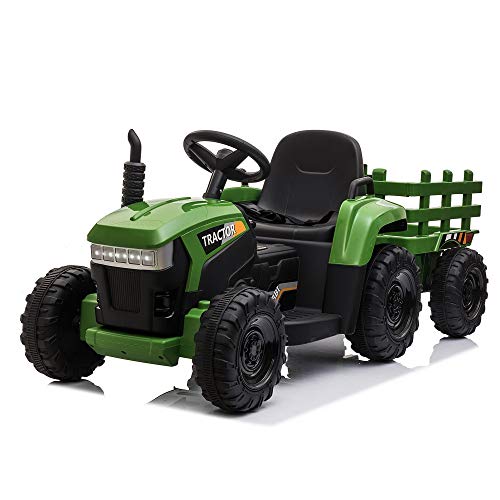
Electric Cars for 2 Year Olds to Drive
Your complete guide to choosing a safe, fun, and age-appropriate ride-on electric car for a toddler. Compare features, understand safety essentials, and find the right first driving experience.
Explore Recommended OptionsWhy this guide matters: A two-year-old is curious, energetic, and just beginning to understand cause and effect. An electric ride-on car can be a wonderful confidence builder — but only when it matches the child's developmental stage. This guide breaks down the features that matter, the safety standards to check, and the tiers of ride-on vehicles available so you can decide with clarity.
What Makes a Ride-On Car Right for a 2 Year Old?
At age two, children are still developing coordination, balance, and the ability to judge distance. A ride-on electric car for a toddler should therefore prioritize control, stability, and simplicity over speed or advanced features. The ideal model lets a parent stay in command while the child enjoys the sensation of driving.
Key considerations include a comfortable seat with a harness or seat belt, a low step-in height so the child can climb in with minimal help, and smooth acceleration that avoids jolting. Many parents also look for models that pair with a parental remote control, which allows an adult to override steering and speed when needed. For families comparing options across age groups, our broader guide to electric ride-on toys for 2 year olds provides additional context.
Essential Safety Features to Look For
Safety should never be an afterthought with toddler ride-on vehicles. The following features are worth prioritizing when comparing models:
- Parental remote control: Lets you steer, accelerate, and stop the car remotely. This is especially valuable during the first few months of use.
- Seat belt or harness: Keeps the child securely positioned, particularly on uneven surfaces.
- Speed limiter or low-speed mode: Restricts top speed to a walking pace, typically 1 to 2 miles per hour for this age group.
- Soft-start technology: Prevents sudden acceleration that can startle a toddler.
- Sturdy, wide wheelbase: Reduces the risk of tipping on slight inclines or during turns.
- Non-toxic, sealed battery compartment: Ensures the battery is inaccessible and the materials meet safety standards.
Always supervise play, use the vehicle on flat, paved surfaces away from traffic, and follow the manufacturer's age and weight guidelines. For a wider look at powered ride-ons suited to this stage, see our collection of electric ride-on toys for toddlers.
Feature Comparison by Tier
Ride-on cars for toddlers fall into a few broad tiers. The table below uses universal tier descriptors rather than any numeric figures, so you can compare models by position in the market and intended use.
| Tier | Best For | Typical Features |
|---|---|---|
| Entry-level | First-time drivers and short play sessions | 6V system, simple forward/reverse controls, basic seat belt, manual steering |
| Mid-range | Families wanting parental remote and smoother rides | 6V to 12V system, parental remote control, soft-start, MP3 input, working lights |
| Premium | Longer use and more realistic driving feel | 12V system, dual motors, rubber tires, leather-style seat, remote with speed override |
| Luxury | Gift purchases and standout designs | Licensed styling, suspension, LED package, premium materials, extended battery life |
An entry-level model can be a solid choice for a child who is just getting used to the idea of driving. A mid-range option with a parental remote often delivers the best balance of safety and engagement for a two-year-old. Premium and luxury tiers tend to make more sense when the vehicle will be shared or used over several years.
How to Introduce Driving to a Toddler
The first sessions should be short, calm, and closely supervised. Start with the car in its lowest speed setting and use the parental remote to guide the vehicle while your child holds the steering wheel. Praise gentle steering and stopping, and keep sessions to ten or fifteen minutes at first. As confidence grows, you can gradually allow more independent control.
Choose a flat, open area such as a driveway, a paved garden path, or an empty park lot. Avoid slopes, gravel, and areas near water or traffic. A ride-on car with remote control makes this gradual handover much easier, because you can take over instantly if your child becomes distracted.
Battery, Charging, and Long-Term Care
Most toddler ride-ons use a 6V or 12V sealed lead-acid battery. A full charge typically provides between 45 and 90 minutes of continuous play, depending on the surface and the child's weight. Charging usually takes several hours, so it helps to establish a routine — for example, charging overnight after an afternoon of play.
To extend the life of the vehicle, store it indoors or under cover, keep the battery charged during periods of non-use, and wipe down the body after outdoor sessions. Check the wheels, seat belt, and remote control regularly for wear. These simple habits keep the car running smoothly and safely.
Parental Control
A remote override lets you steer and stop the car, giving toddlers freedom while keeping an adult in command.
Speed Limiting
Low-speed modes cap the ride at a walking pace, which is appropriate for a two-year-old's reaction time.
Comfort & Fit
A supportive seat, harness, and easy step-in height make the experience enjoyable rather than intimidating.
Common Questions Parents Ask
Are electric cars safe for 2 year olds?
Yes, when chosen correctly. Look for ride-on cars with parental remote control, a seat belt, and speeds capped at a walking pace. Always supervise your child during play and use the vehicle on flat, safe surfaces away from traffic.
What speed is appropriate for a 2 year old's electric car?
A top speed of 1 to 2 miles per hour is appropriate for toddlers. Most quality ride-ons offer a low-speed setting, and parental remote control lets you limit speed while your child learns.
Do electric ride-on cars for 2 year olds need a remote control?
A parental remote control is strongly recommended for 2 year olds. It lets you steer and stop the car if your child loses focus, making the first driving experiences safer and more relaxed for everyone.
How long does the battery last on a toddler ride-on car?
Most 6V ride-on cars for toddlers run for roughly 45 to 90 minutes of continuous play, depending on the surface and load. Charging typically takes 8 to 12 hours, so plan play sessions accordingly.
Quick Buying Checklist
- Confirm the manufacturer's age and weight recommendations.
- Check that a parental remote control is included or available.
- Look for a seat belt or harness and a low step-in height.
- Verify the low-speed mode and soft-start feature.
- Read safety certifications and battery compartment design.
- Plan a flat, safe play area before the first drive.
Bottom line: An electric car for a two-year-old is a rewarding first step into independent play, provided the vehicle is matched to the child's stage. Prioritize a parental remote, a secure seat, and a low top speed, and introduce driving gradually with plenty of supervision. With the right model, the experience becomes a confidence-building adventure rather than a source of worry.
For families exploring other powered ride-ons across age groups, our guides to electric ride-on toys for 1 year olds and electric ride-on toys for 3 year olds offer useful comparisons as your child grows.