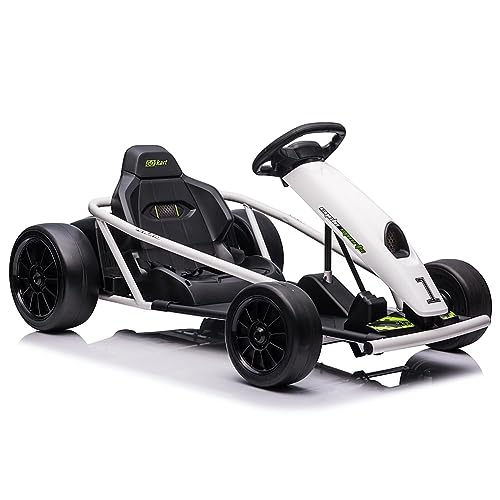
Electric Ride On Toys for 10 Year Olds: The Ultimate Buyer's Guide
Your comprehensive resource for choosing a safe, exciting, and age-appropriate electric ride on vehicle. Explore top-tier models, safety features, performance specs, and everything you need to make an informed decision for your older child.
Why Choose an Electric Ride On Toy for a 10-Year-Old?
At ten years old, children have outgrown the simple push-along toys of their toddler years. They crave independence, speed, and a genuine sense of control. Electric ride on toys for 10 year olds bridge the gap between play and real-world driving excitement. These aren't just toys; they are vehicles designed with more powerful motors, higher weight capacities, and advanced features that cater to older kids who want a more thrilling experience.
Whether your child dreams of cruising in a sleek sports car, tackling off-road trails in a rugged jeep, or simply zipping around the neighborhood, there is a ride on vehicle that fits their personality and your family's safety standards. This guide will walk you through the essential factors to consider, from motor power and battery life to safety certifications and terrain suitability.
For parents researching the ideal gift, understanding the nuances of these vehicles is key. You might also be interested in our broader guide on electric ride on toys for 8-10 year olds to compare the progression in features and capabilities. As children grow, their needs evolve, and the right ride on toy can provide years of outdoor fun and developmental benefits.
Key Features to Evaluate Before You Decide
When shopping for a 10-year-old, the toy must match their physical size and maturity level. Here are the critical specifications to review:
Motor Power and Speed
For a ten-year-old, a single motor is often insufficient. Look for models with dual motors or high-torque single motors that can handle uneven surfaces and provide a top speed appropriate for older kids. Speed is a major factor—most 10-year-olds can handle speeds in the mid-range, which is significantly faster than toddler models but still governed for safety. Always check the manufacturer's recommended age and speed limits.
Battery Life and Type
A long-lasting battery is essential for uninterrupted play. Sealed lead-acid (SLA) batteries are common and reliable, while lithium-ion (Li-ion) batteries offer lighter weight and faster charging times. Consider the runtime on a single charge; a battery that lasts at least 1-2 hours of continuous use is ideal for older children who are less likely to take frequent breaks.
Weight Capacity and Dimensions
This is a crucial safety metric. A 10-year-old can vary significantly in size. Ensure the ride on toy has a weight capacity that comfortably exceeds your child's weight, typically 100 lbs or more for this age group. The seat dimensions and legroom should also be adequate to prevent discomfort during longer rides.
Safety Features
Safety is non-negotiable. Key features include:
- Seat Belts: A three-point harness or lap belt is a must.
- Parental Remote Control: While a 10-year-old may not need constant supervision, a remote allows you to intervene if necessary and is a great feature for peace of mind. You can find models with this feature in our guide to electric ride on cars with remote control.
- Soft-Start and Braking: These features prevent sudden jolts and allow for smooth, controlled stops.
- Safety Certifications: Look for compliance with ASTM F963 and CPSIA standards.
Terrain and Tire Type
Consider where your child will ride. For paved driveways and sidewalks, plastic wheels are fine. For grass, gravel, or dirt, you need a model with rugged, rubber-like treaded tires and a suspension system to absorb shocks. Off-road jeeps and trucks are excellent for varied terrain.
Understanding Product Tiers in the Ride-On Market
To help you navigate the options without focusing on numerical figures, we use a universal tier classification system. This describes the relative position of a product in the market based on its features, build quality, and performance.
Essential Features
These models offer the core experience: a single motor, basic forward/reverse functionality, and a durable plastic body. They are well-suited for younger or lighter 10-year-olds and smooth surfaces. A solid choice for a first electric vehicle.
Balanced Performance
A step up with dual motors, higher weight capacity, and often a parental remote. These models frequently include upgraded features like LED lights, MP3 input, and a suspension system for a smoother ride on varied surfaces.
Premium Experience
These are the flagship models. They boast powerful motors, long-range lithium-ion batteries, advanced suspension, and realistic details like opening doors, leather-like seats, and sophisticated dashboard electronics. They are built for performance and durability.
When comparing models, a mid-range vehicle typically offers a more comfortable and controlled ride than a starter-tier model due to its enhanced suspension and motor configuration. For a 10-year-old who will use the toy frequently, investing in a higher tier often provides better long-term satisfaction and durability.
Comparing Ride-On Categories for Older Kids
The table below outlines the typical characteristics of different ride-on vehicle styles to help you match a type to your child's interests.
| Category / Style | Best For | Typical Tier | Key Attributes |
|---|---|---|---|
| Sports Car | Paved driveways, speed enthusiasts | Mid-Range to High-End | Sleek design, higher top speed, responsive steering, often with realistic features like working doors. |
| Off-Road Jeep/Truck | Grass, dirt, gravel, uneven terrain | Mid-Range to High-End | Rugged tires, suspension, higher ground clearance, durable construction, often with a two-seater option. |
| Ride-On Motorcycle | Maneuverability, fun factor | Starter to Mid-Range | Single or dual motors, training wheels for stability (often removable), sporty look, good for balance practice. |
| Two-Seater Vehicle | Siblings or friends riding together | Mid-Range to High-End | Wider chassis, higher weight capacity, dual motors for power. Explore options in our two-seater electric cars for 10 year olds guide. |
Safety Guidelines and Maintenance Tips
Owning an electric ride on toy is a responsibility. To ensure a safe and enjoyable experience for your 10-year-old, follow these essential guidelines:
- Supervision: Even for older children, adult supervision is recommended, especially during initial use and when riding near traffic or obstacles.
- Protective Gear: A properly fitting helmet is mandatory. Consider elbow and knee pads for off-road models or beginners.
- Charging Safety: Always use the manufacturer-provided charger. Charge the battery in a well-ventilated area and avoid leaving it unattended for extended periods.
- Regular Inspection: Check for loose screws, worn tires, and damaged wiring before each ride. Clean the vehicle with a damp cloth and store it in a dry place.
- Weight Limits: Strictly adhere to the weight capacity. Overloading can damage the motor and pose a safety risk.
For more detailed advice on keeping all types of ride-on toys in top condition, you might find our general safety guide helpful.
Frequently Asked Questions
What is the best speed for a 10-year-old's ride on toy?
Top speed varies by model, but most vehicles designed for this age group reach a maximum speed that is fast enough to be exciting but governed for safety. It is always crucial to ensure your child is comfortable with the speed and that they wear a helmet. Many high-end models have adjustable speed settings.
Can a 10-year-old drive a ride on car on grass?
Yes, but the vehicle needs sufficient motor power and appropriate tires. Off-road jeeps and trucks with dual motors and rugged treads are designed for grass and mild terrain. Standard sports cars with plastic wheels may struggle or get damaged on anything other than a hard, smooth surface.
How long does the battery last on a typical electric ride on toy?
Battery runtimes can vary widely based on the battery type, the vehicle's weight, the terrain, and driving style. A typical mid-range model might offer 1 to 2 hours of continuous use. High-end models with lithium-ion batteries can sometimes exceed this. Always review the specific product specifications for the most accurate information.
Are there two-seater options available for 10-year-olds?
Absolutely. Many mid-range and high-end models are designed as two-seaters, allowing siblings or friends to ride together. These models usually have a wider body and a higher weight capacity. You can explore specific options in our guide to two-seater electric cars for 10-year-olds.
What should I look for in terms of safety certifications?
In the United States, look for toys that are compliant with ASTM F963 (Standard Consumer Safety Specification for Toy Safety) and CPSIA (Consumer Product Safety Improvement Act). These certifications indicate that the product has been tested for safety hazards. Always check the product listing or packaging for these claims.
Making the Final Choice for Your 10-Year-Old
Selecting the perfect electric ride on toy is an exciting process. By focusing on the key features—motor power, safety, terrain, and tier classification—you can find a model that will provide years of joy and adventure. Remember to prioritize safety gear and supervision, and you'll be setting your child up for countless hours of outdoor fun.
For a broader perspective on how these toys fit into the developmental stage of older children, you may want to explore our general guide on electric ride on toys for 10 year olds for additional insights. Ready to explore the options? Take a look at our curated selection below to find the right match for your family.