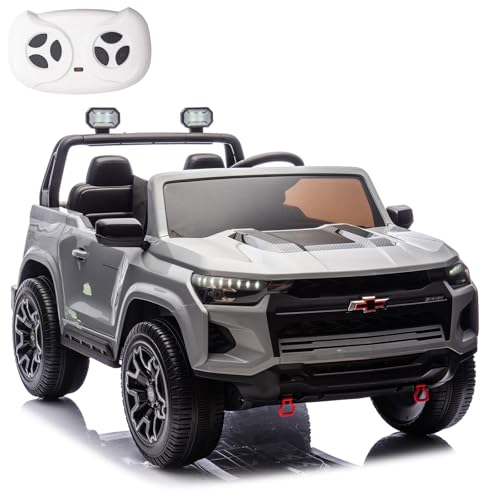
Electric Cars for 10 Year Olds to Drive: The Complete 2 Seater Guide
Ready to upgrade playtime with a real driving experience? A 2 seater electric ride-on car gives your 10-year-old the freedom to cruise with a friend, build confidence behind the wheel, and enjoy hours of outdoor adventure. This guide breaks down everything you need to know before choosing one.
Explore Recommended ModelsBy age ten, most children have outgrown the small, single-seat ride-ons that thrilled them at five. They want something with real presence, responsive controls, and enough room to bring along a sibling or a friend. A 2 seater electric car hits that sweet spot: it feels grown-up enough to keep a ten-year-old engaged, yet remains a safe, supervised toy designed for backyard and driveway adventures.
Parents researching this category typically already know they want a ride-on vehicle. What they need is clarity — on safety systems, battery performance, build quality, and which features genuinely matter versus which are marketing extras. This guide is structured to answer those exact questions, so you can move from research to a confident decision.
Why a 2 Seater Ride-On Makes Sense at Age Ten
A ten-year-old is at a transitional stage. They are too big for toddler ride-ons but not quite ready for full-sized recreational vehicles. A two-seat electric car fills that gap with several practical advantages:
Social Play
Two seats turn a solo activity into a shared experience. Siblings and friends can ride together, which extends play sessions and encourages cooperative fun.
Realistic Driving Feel
Larger dimensions and a wider wheelbase give the car a more stable, planted feel — closer to real driving than a compact single-seater.
Longer Useful Life
Higher weight capacity and sturdier construction mean the vehicle grows with your child rather than being outgrown within a season.
Confidence Building
Learning to steer, accelerate smoothly, and judge space builds coordination and spatial awareness — skills that carry over into real-world driving later.
Key Features to Evaluate Before Choosing
Not all 2 seater ride-ons are created equal. The differences between an entry-level model and a premium model are significant — and they show up in safety, durability, and the overall driving experience. Here is what to examine closely.
Safety Systems
- Parental remote control: Essential for a ten-year-old's first sessions, and useful for intervening if a younger sibling is in the passenger seat.
- Speed governor or adjustable speed limiter: Lets you match top speed to your child's skill level and the size of your play area.
- Seat belts on both seats: A proper harness or lap belt for each occupant, not just the driver.
- Soft-start and soft-brake electronics: Prevents jerky acceleration that can startle new drivers.
- Sturdy, wide wheelbase: Reduces rollover risk during turns, especially with two passengers.
Battery and Motor Performance
Battery capacity directly determines runtime, and motor quality affects how the car handles inclines and rough terrain. Premium tier models typically use higher-capacity batteries and dual motors, which provide better torque and a more consistent speed under load. If your driveway has a slope or your lawn is uneven, prioritize a model with a dual-motor setup.
Build Quality and Materials
Look for reinforced chassis construction, heavy-duty wheels with tread, and weather-resistant coatings if the car will be stored outdoors. Premium materials in the seating and trim hold up better to daily use and sun exposure. Entry-level models can be perfectly adequate for light, supervised use, but mid-range and high-end tiers offer noticeably better longevity.
Seating and Comfort
Check the combined weight capacity, seat width, and legroom. A ten-year-old plus a younger sibling can add up quickly — confirm the total capacity before two children ride together. Adjustable seats are a bonus but rare in this category; instead, look for generous fixed dimensions.
Entertainment and Extras
Some models include built-in music players, LED lights, or even small screens. These are nice-to-haves, not necessities. Focus first on safety and drivetrain quality, then consider entertainment features as secondary differentiators.
Comparing Quality Tiers: What to Expect
To make comparison easier without getting lost in specifications, here is how 2 seater ride-on cars generally position themselves across the market. This classification is relative and consistent across the category.
| Tier | Typical Characteristics | Best For |
|---|---|---|
| Entry-level | Single motor, basic battery, simpler seating, fewer electronic features | Flat, paved driveways and light, supervised use |
| Mid-range | Dual motor options, improved suspension, better battery capacity, parental remote included | Mixed surfaces, longer sessions, families wanting dependable performance |
| Premium | Reinforced chassis, high-capacity battery, premium seating, advanced electronics and lighting | Frequent use, varied terrain, older children wanting a realistic feel |
| High-end tier | Flagship construction, top-tier drivetrain, extensive features, longest expected lifespan | Enthusiast families, multi-child households, long-term investment |
Setting Up Safe Riding Habits
Even the best-engineered ride-on needs sensible supervision. Before the first drive, set clear ground rules that match your child's maturity level:
- Establish a dedicated driving area, ideally a flat, paved space free of obstacles and away from traffic.
- Begin with the lowest speed setting and parental remote engaged, then gradually hand over control.
- Require helmets for both driver and passenger, especially in early sessions or on any sloped surface.
- Inspect the car regularly — check tire wear, belt condition, battery connections, and steering response.
- Charge batteries according to the manufacturer's guidance and store the vehicle in a dry location when not in use.
For families comparing ride-on options across age groups, our guide to electric ride-on toys for 10 year olds provides a wider view of the category, while those exploring larger passenger configurations can review 4 seater models.
Frequently Asked Questions
Are 2 seater electric cars safe for 10 year olds?
Yes, when chosen correctly. Look for models with parental remote control, seat belts, speed governors, and a sturdy build. Always supervise play and follow the manufacturer's age and weight guidelines.
What top speed is appropriate for a 10 year old in a 2 seater ride-on car?
Most quality 2 seater models for this age group operate in a moderate speed range with a governed top speed. Prioritize models with adjustable speed limits and parental override controls so you can match the speed to your child's experience and the terrain.
How long does a 2 seater electric ride-on car battery last?
Battery runtime varies by model, terrain, and load. Premium 2 seater models often provide longer runtimes with high-capacity batteries. Look for models with battery indicators and consider a spare battery for extended play sessions.
Can two children ride in a 2 seater electric car at once?
Yes, that is the main advantage of a 2 seater. Ensure both children fit comfortably within the combined weight limit, and confirm each seat has its own safety belt. Always check the manufacturer's total weight capacity before riding with two passengers.
Ready to Find the Right Ride-On?
Browse our curated selection of 2 seater electric cars suited for ten-year-old drivers, with models spanning entry-level through high-end tiers.
View Recommended Models