What You'll Learn
A water slide turns an ordinary above ground pool into the favorite spot on the block. Kids get nonstop active fun, parents get a reliable way to keep everyone cool, and the whole backyard becomes a mini water park. But not every slide works with every pool. Above ground pools have specific wall heights, deck configurations, and structural limits, so choosing the right model matters for both safety and long-term enjoyment.
This guide walks you through every decision point: slide categories, how to measure your pool setup, the safety features that are non-negotiable, and the installation approach that suits different backyard layouts. By the end, you will have a clear picture of which slide fits your family and your pool.
Why Add a Water Slide to Your Above Ground Pool?
A pool slide does more than add thrills. It encourages physical activity, extends swim sessions, and gives children a structured way to enter and exit the water repeatedly, which builds confidence around the pool. For families with kids of varying ages, a slide creates a shared activity that works for younger swimmers and older siblings alike.
Beyond the fun factor, a slide can also function as a gentle entry point for cautious swimmers who are not yet comfortable jumping straight into the water. The gradual descent helps them acclimate at their own pace. If your children are still building water confidence, pairing a slide with the right pool-side toys makes the whole experience more inviting. You can explore a range of water play toys that complement slide play and keep the fun going long after the first splash.
For families who also enjoy dry-land bouncing, many backyards combine pool slides with other inflatable fun. If you are curious about that category, our guide to water slide bounce houses covers hybrid options that work for both wet and dry play.
Types of Water Slides for Above Ground Pools
Above ground pool slides generally fall into three categories. Each has distinct advantages depending on your budget, storage space, and how permanently you want the slide installed.
1. Inflatable Pool Slides
Inflatable slides are the most flexible option. They can be placed beside the pool, partially submerged, or attached to a deck. They are lightweight, easy to store, and typically softer for younger children. High-grade inflatables use reinforced PVC with UV-resistant coatings, which extends their lifespan when properly cared for. They are ideal for seasonal use and for families who like to reconfigure the backyard.
2. Hard-Shell Resin or Plastic Slides
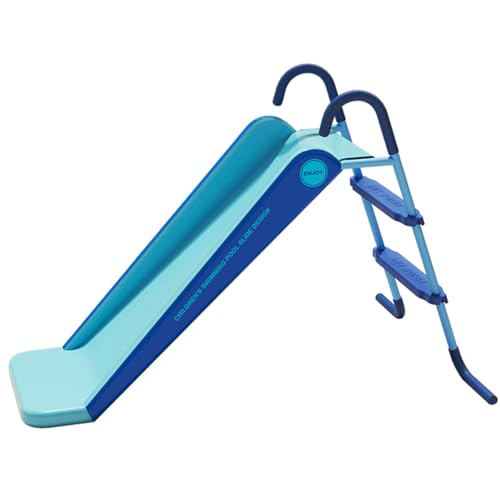
These are the classic curved pool slides you see on permanent pool decks. They offer a smoother, faster ride and a more rigid, secure feel. Resin slides are weather-resistant and built for years of use, making them a long-term investment. They require a stable deck or platform and must be anchored according to the manufacturer's specifications. Hard-shell slides are best suited to above ground pools with a sturdy surrounding deck.
3. Deck-Mounted and Platform Slides
These slides attach directly to a pool deck or a raised platform and discharge into the water. They offer the most "real pool" experience but demand the most careful installation. Deck-mounted slides typically require a minimum deck height and clearance, and they must be positioned so the slide exit is safely above the water line. If you are building out a full backyard water setup, these pair well with features like a water slide obstacle course bounce house for event days.
Pool Compatibility Check: What to Measure First
Before choosing a slide, take these measurements. Getting them right prevents returns and, more importantly, prevents unsafe setups.
- Pool wall height: Measure from the ground to the top of the pool wall. Slide exit heights must clear the wall and land safely in the water.
- Deck width and stability: If you are using a deck-mounted slide, confirm the deck can support the slide plus the weight of a rider. Reinforced decking is essential.
- Water depth at the slide exit: The landing zone must be deep enough for the rider's height and weight. Never position a slide over shallow water.
- Clearance from pool edges and fences: Leave enough runway for the slide to extend outward and downward without obstruction.
- Setback distance: The slide must be far enough from the pool edge that a rider exits cleanly into the water, not onto the pool wall.
Safety Essentials You Cannot Skip
Pool slides are fun, but they demand respect. Follow these safety fundamentals every time the slide is in use.
- One rider at a time: Never allow multiple children on the slide simultaneously, and enforce a clear waiting line.
- Feet-first, seated position: Riders should always go down feet-first on their bottom, never head-first or standing.
- Adult supervision: A responsible adult should watch the slide exit and the landing zone at all times.
- Check the landing depth: Confirm water depth at the slide exit meets the manufacturer's minimum requirement before every session.
- No diving from the slide: The slide is for seated entry only, not diving or jumping.
- Secure anchoring: Inflatable slides must be staked or weighted per instructions; hard-shell slides must be bolted to a stable base.
- Non-slip ladder and handrails: Look for textured steps and sturdy grab handles, especially for younger riders.
- Weight and age limits: Respect the manufacturer's rider limits. These are safety thresholds, not suggestions.
If you want a broader safety refresher for water play in general, the principles in our water play toys guide apply across slides, sprinklers, and pool games.
Installation and Setup: Inflatable vs. Hard-Shell
Inflatable slides are the easiest to set up. Inflate fully, position on level ground beside the pool, and anchor securely. Many models include a hose connection that keeps the slide surface wet for smoother gliding. Allow the slide to dry completely before storage to prevent mold.
Hard-shell slides require more planning. You will need a level deck surface, the correct mounting hardware, and often a helper for lifting. Follow the manufacturer's template for bolt placement, and verify the slide exit lands in the deep end of your pool's safe zone. If you are not comfortable with structural mounting, a professional installer is a worthwhile investment.
Deck-mounted slides sit between the two in complexity: the deck must already exist and be structurally sound, but the slide itself may attach with a bracket system. Always confirm the deck's load rating before installation.
Choosing by Tier: Entry-Level to Premium
Pool slides vary widely in construction quality and features. Instead of focusing on numbers, think in tiers. The table below maps each tier to the type of family and pool setup it suits best.
| Tier | Typical Construction | Best For |
|---|---|---|
| Entry-level | Lightweight inflatable PVC, basic anchoring | Young children, occasional use, small backyards, easy storage needs |
| Mid-range | Reinforced inflatable or compact hard-shell resin | Families with mixed-age kids, regular weekend use, moderate deck space |
| Premium | Heavy-duty resin, UV-stabilized inflatables, full anchoring kits | Frequent use, larger pools, families wanting a permanent backyard feature |
| Luxury / commercial-grade | Professional-grade resin, commercial anchoring, extended warranties | Large above ground pools, multi-family use, long-term installation |
As a rule, mid-range models offer noticeably smoother slide surfaces and sturdier ladders than entry-level options, while premium and commercial-grade models add durability and safer anchoring for heavy, repeated use. If you are planning a bigger backyard water event, you may also want to compare rental-style setups in our water slides and bounce houses for sale overview.
Maintenance Tips to Extend Slide Life
- Rinse inflatable slides with fresh water after each use and dry thoroughly before folding.
- Store inflatables out of direct sunlight when not in use to slow UV degradation.
- Inspect hard-shell slides for cracks, loose bolts, or worn surfaces at the start of each season.
- Clean slide surfaces with mild soap and water; avoid harsh chemicals that can damage resin or PVC.
- Check anchoring hardware monthly during heavy-use months.
- Keep the slide surface wet during use to maintain glide speed and reduce friction wear.