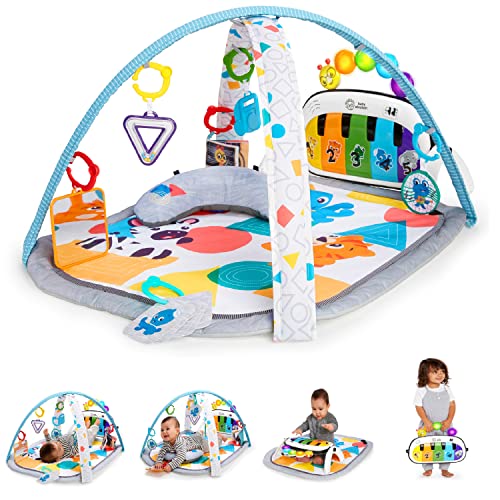
Tummy Time Toys for 3 Month Old: Build Strength Through Play
Your complete guide to choosing safe, engaging, and developmentally appropriate toys that make tummy time a joyful part of your baby's daily routine — backed by expert insight and practical tips.
🧸 Why Tummy Time Matters: At three months old, babies are beginning to lift their heads, track moving objects, and push up on their forearms. The right toys can turn this critical developmental window into a fun, bonding experience. This guide walks you through the types of toys that work best, safety considerations, and how to choose based on your baby's needs — so you can confidently pick the perfect tummy time companion.
What Is Tummy Time and Why Is It Important at 3 Months?
Tummy time is any supervised period your baby spends lying on their stomach while awake. For a 3-month-old, this is a pivotal stage — many babies can now hold their heads up for short stretches, visually track faces and objects, and begin to coordinate their arms and legs. These early movements build the foundation for rolling over, sitting, crawling, and eventually walking.
Pediatric organizations recommend starting tummy time early, and by three months, most healthy babies benefit from several short sessions spread throughout the day. The goal is not endurance — it's consistency. Toys play a powerful role here because they give your baby a reason to lift their head, reach, and engage. Without something interesting to look at, many babies protest being on their tummy. The right toy transforms the experience.
If your baby has developmental delays or was born prematurely, tummy time may need extra care. You can explore toys for developmentally delayed infants for more tailored guidance. And for a broader look at age-appropriate play at this stage, our newborn to 3-month toy guide is a helpful companion.
Key Developmental Milestones at 3 Months
Understanding what your baby is working on helps you choose toys that support the right skills. At three months, many babies show progress in these areas:
- Head control: Lifting the head and chest while on the tummy, often turning the head side to side.
- Visual tracking: Following a moving object or face with their eyes, which builds visual coordination.
- Reaching and batting: Swiping at dangling objects or bringing hands toward the mouth.
- Forearm support: Pushing up on forearms, which strengthens the upper body for later crawling.
- Sensory awareness: Responding to sounds, textures, and high-contrast patterns.
Toys that encourage these actions — mirrors, crinkle books, high-contrast cards, and dangling rattles — are ideal. If you're also working on grasping and hand coordination, our guide to toys that help develop fine motor skills complements this stage nicely.
Types of Tummy Time Toys That Work Best for a 3 Month Old
Not every toy is designed with tummy time in mind. The best options share a few traits: they are lightweight, visually stimulating, safe for mouthing, and positioned at or slightly above your baby's eye level while they are on their stomach. Here are the categories worth considering:
- Baby-safe mirrors: A floor mirror or a mirror attached to a play gym encourages your baby to look up and engage with their own reflection — a powerful motivator.
- High-contrast sensory cards and books: Black-and-white or bold primary-color patterns are easier for young eyes to process and encourage visual focus.
- Crinkle toys and soft books: The sound of crinkling fabric grabs attention and encourages reaching, while soft textures are safe for mouthing.
- Floor gyms with dangling elements: A play gym with arches lets you dangle toys at the right height so your baby can bat at them while on their tummy.
- Rattles and wrist rattles: Gentle sounds reward movement and help your baby connect cause and effect.
- Tummy time pillows and rolls: A supportive roll under the chest can make tummy time more comfortable for babies who are still building strength.
Many parents find that rotating toys every few days keeps a baby's interest high. For additional ideas on building strength through movement, see our toys for gross motor skills resource.
Comparison: Toy Tiers for Tummy Time
When shopping for tummy time toys, it helps to think in terms of product tiers rather than specific figures. The table below outlines the general characteristics of each tier so you can match your choice to your priorities — whether you want a simple essential or a more feature-rich setup.
| Tier | Best For | Typical Characteristics |
|---|---|---|
| Essential tier | Simple, focused tummy time | Single-purpose items like high-contrast cards, a basic mirror, or a soft crinkle book. Easy to store and rotate. |
| Mid-tier | Balanced features and versatility | Play gyms with adjustable arches, combination sensory sets, or tummy time pillows with attached toys. Offer more variety without excess. |
| Top-tier | Long-term, multi-stage use | Convertible play gyms that grow with your baby, premium sensory kits with multiple textures, or high-quality wooden mirror frames. Designed to last beyond the tummy time phase. |
Each tier can be a solid choice depending on your baby's temperament and your household's needs. A mid-tier play gym often delivers the best balance of engagement and longevity, while an essential-tier set of sensory cards is a smart addition to any collection.
Safety Tips for Tummy Time Play
Safety always comes first, especially with infants. Keep these guidelines in mind when introducing toys during tummy time:
- Always supervise: Never leave your baby unattended during tummy time, even for a moment.
- Use a firm, flat surface: A play mat on the floor is ideal. Avoid soft bedding, couches, or elevated surfaces.
- Check age recommendations: Choose toys labeled for infants and free of small parts, loose strings, or sharp edges.
- Position toys within reach: Place toys slightly above eye level but not so high that your baby strains.
- Watch for distress: If your baby becomes fussy or tired, end the session and try again later.
- Avoid tummy time right after feeding: Give your baby time to digest to reduce spit-up and discomfort.
How to Choose the Right Toy for Your Baby
Every baby is different. Some are captivated by sound, others by movement or texture. Here's a simple framework to narrow your options:
- Consider your baby's temperament: A sensitive baby may prefer soft, quiet toys, while a curious baby might thrive with rattles and mirrors.
- Match the milestone: If your baby is just beginning to lift their head, a supportive tummy time pillow plus a high-contrast card is a great start. If they're already batting at objects, a play gym with dangling toys offers more challenge.
- Think about longevity: A convertible play gym or a set of sensory books can stay useful as your baby grows into the 4- and 5-month range. Our tummy time toys for 4 month old guide shows what comes next.
- Keep it simple: One or two well-chosen toys are more effective than a crowded floor. Rotate them to maintain novelty.
For a broader view of play essentials at this age, our toys for a five month old guide and toys for 8 month old resource can help you plan ahead.
Frequently Asked Questions
How long should tummy time last for a 3 month old?
At 3 months, aim for short sessions of 3 to 5 minutes, several times a day. Total daily tummy time should gradually build toward 20 to 30 minutes as your baby grows comfortable. Always follow your baby's cues and stop if they become distressed.
What toys are best for tummy time at 3 months?
High-contrast black-and-white or brightly colored toys, baby-safe mirrors, soft sensory books, crinkle toys, and floor gyms with dangling elements work well. These encourage visual tracking and head lifting, which are key developmental milestones at this age.
Is tummy time safe for a 3 month old?
Yes, supervised tummy time is safe and recommended for healthy babies. Always place your baby on a firm, flat surface, never leave them unattended, and avoid tummy time immediately after feeding. Consult your pediatrician if your baby has reflux or other health concerns.
What if my 3 month old hates tummy time?
Try short, frequent sessions, use a supportive pillow or roll, place yourself at eye level, and introduce engaging toys like mirrors or crinkle books. Some babies adapt better when tummy time is done on a parent's chest. Patience and consistency usually help.
Ready to make tummy time a highlight of your baby's day? Explore our recommended picks below and find the perfect match for your little one's stage and personality.