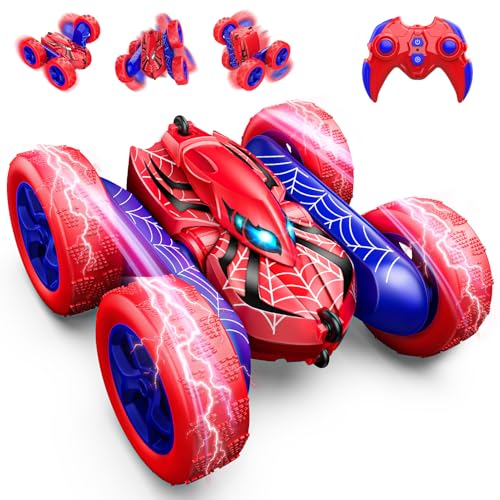
Toy Car with Remote Control: The Ultimate Buying Guide
Everything you need to know before choosing a remote control toy car — from age-appropriate features and control types to durability and battery life. Make a confident, informed decision for your child's next favorite toy.
Why a remote control toy car? Few toys combine excitement, coordination-building, and pure fun quite like a remote control car. Whether your child is chasing a first thrill with a simple starter model or a young enthusiast is ready for a feature-rich, high-performance RC vehicle, the right choice can spark hours of active, screen-free play.
This guide breaks down everything that matters: age recommendations, control systems, battery considerations, terrain compatibility, and the key features that separate a durable favorite from a frustrating disappointment. By the end, you'll know exactly what to look for — and which questions to ask before you buy.
What Makes a Great Remote Control Toy Car?
A toy car with remote control — often called an RC car — is a battery-powered vehicle operated wirelessly by a handheld controller. But not all RC cars are created equal. The best models balance three critical factors: durability, age-appropriate performance, and ease of use.
Cheaper, entry-level models often use simple button controls where the car either goes or stops. Mid-range and premium models introduce proportional steering and throttle, giving the driver finer control over speed and direction. This distinction matters enormously for older children who want precision and for younger children who need simplicity.
Another key differentiator is build quality. A well-constructed RC car uses reinforced chassis components, shock-absorbing suspension, and high-grade plastic or metal parts that survive bumps, drops, and rough terrain. A poorly built car may look impressive on the box but frustrate within days. Paying attention to construction quality is arguably more important than any single feature.
Key Features to Consider Before Buying
Control Type
Button controls (forward/back/left/right) are simplest for beginners. Proportional steering and throttle offer precision for experienced drivers. Pistol-grip controllers are popular for older kids and adults.
Battery & Runtime
Rechargeable battery packs are convenient and eco-friendly. Look for 20–45 minutes of runtime per charge for most models. Spare batteries extend play sessions without waiting for recharges.
Speed & Scale
Smaller 1:24 and 1:18 scale cars suit indoor and smooth-surface play. Larger 1:10 and 1:12 scale cars handle outdoor terrain better and offer more speed for older children.
Terrain Capability
Indoor cars work best on smooth floors. Off-road models feature knobby tires, higher ground clearance, and suspension systems to handle grass, dirt, and gravel.
Durability & Parts
Reinforced bumpers, metal drive shafts, and shock absorbers improve longevity. Check whether replacement parts (tires, batteries, controllers) are readily available.
Control Range
Most toy-grade RC cars offer a range of 30–50 meters. For outdoor play in open spaces, a longer range prevents signal loss and keeps the car responsive at a distance.
Pro tip: For children under 6, prioritize large, easy-to-press buttons and slower top speeds. For children 6 and up, proportional controls and moderate speed make learning more rewarding without overwhelming them.
Choosing the Right RC Car by Age
Ages 3–5
Simple button controls, slow speeds, chunky durable designs. Look for toddler-friendly RC cars with rounded edges and no small parts. Parental supervision recommended.
Ages 6–8
Proportional steering becomes manageable. Mid-range models with moderate speed and durable construction work well. Outdoor-friendly models are a great step up.
Ages 9–12
Full-featured RC cars with higher speeds, better suspension, and off-road capability. Kids this age can handle more complex controls and appreciate realistic details.
Ages 13+
Hobby-grade RC cars, kits, and high-performance models. Teens and adults often prefer customizable vehicles with replaceable parts and tuning options.
Types of Remote Control Toy Cars
Indoor vs. Outdoor Models
Indoor RC cars are typically smaller (1:24 or smaller scale), lighter, and designed for smooth surfaces like hardwood and tile. They prioritize maneuverability over speed. Outdoor models are larger, feature rugged tires and suspension, and handle grass, dirt, and uneven ground. Some models bridge both categories, but dedicated designs perform best in their intended environment.
On-Road vs. Off-Road
On-road cars are tuned for speed and handling on flat surfaces — they're the choice for racing enthusiasts. Off-road models feature higher ground clearance, knobby tires, and shock absorbers to tackle rough terrain. For general-purpose family fun, an off-road model usually delivers more versatility.
Licensed vs. Generic Designs
Licensed RC cars replicate real vehicles — sports cars, trucks, and classic models — with accurate branding and detailing. They appeal to children who recognize and love specific car brands. Generic designs often provide comparable performance at a more accessible tier, making them a solid choice for younger children or first-time RC owners.
Stunt and Specialty Cars
Stunt RC cars can flip, spin, and perform tricks with specialized wheel designs. They add a layer of spectacle and are popular with kids who enjoy dynamic, unpredictable play. These models sacrifice some speed and precision for their acrobatic capabilities.
Comparing Tiers: Entry-Level to Premium
Understanding where a remote control toy car sits in the market helps set realistic expectations. Here's how the tiers generally compare:
| Tier | Best For | Typical Features | Considerations |
|---|---|---|---|
| Entry-Level | First-time users, toddlers, casual indoor play | Basic button controls, slower speeds, simple construction, shorter runtime | Good value for its tier; may lack proportional steering and off-road capability |
| Mid-Range | Ages 6–10, mixed indoor/outdoor use, family play | Proportional steering, moderate speed, durable chassis, rechargeable batteries | Balanced tier offering solid performance and durability without hobby-grade complexity |
| Premium | Ages 8+, enthusiasts, outdoor terrain, racing | High-torque motors, suspension systems, longer range, replaceable parts, faster speeds | Well-specified for the category; delivers precision and durability for dedicated users |
| Hobby-Grade | Teens and adults, serious RC hobbyists | Professional-grade components, customizable setups, high-grade materials, upgradeable parts | Long-term investment for enthusiasts; requires more maintenance and understanding |
Note: Mid-range models usually offer the best balance of performance and durability for most families. Entry-level models are a smart starting point for very young children, while premium and hobby-grade tiers suit older kids and adults who want precision and longevity.
Battery Life, Charging, and Maintenance
Battery Types
Most toy-grade RC cars use either disposable AA/AAA batteries or rechargeable battery packs. Rechargeable packs are more convenient and usually deliver longer continuous play. Some models include a USB charging cable for the vehicle and separate batteries for the controller. Always check what's included in the box before buying.
Maximizing Runtime
Runtime varies widely: entry-level models often deliver 15–25 minutes per charge, while mid-range and premium models can run for 30–60 minutes depending on driving style and terrain. Having a spare battery on hand is one of the simplest ways to extend play without waiting for a recharge.
Basic Maintenance
Keep the car clean and dry, especially after outdoor use. Check tires for wear and replace them when grip deteriorates. Avoid overcharging batteries, which can shorten their lifespan. Store the car and controller in a dry place, and remove batteries if the toy won't be used for an extended period.
Safety Tips for Remote Control Toy Cars
- Follow age recommendations. Packaging age guidelines exist for a reason — they account for small parts, speed, and complexity.
- Supervise young children. Children under 6 should always play with RC cars under adult supervision.
- Choose safe play areas. Avoid roads, driveways with traffic, and areas near water. Open parks and fenced yards are ideal.
- Check battery compartments. Ensure the compartment is secure and screws are tightened, especially for younger children.
- Keep away from hazards. Avoid playing near stairs, pools, and fragile objects. High-speed cars can cause damage or injury if misused.
- Inspect regularly. Check for loose parts, cracked casings, or frayed wires and replace damaged components promptly.
Frequently Asked Questions
What age is appropriate for a toy car with remote control?
Most remote control toy cars are designed for children aged 3 and up, though simpler models with basic controls can suit toddlers. For younger children, look for RC cars with large buttons, slow speeds, and durable construction. Ages 6–8 are ideal for full-featured RC cars with proportional steering.
How long do the batteries last in an RC toy car?
Battery life varies by model and usage. Entry-level RC cars typically run for 15–30 minutes per charge, while mid-range and premium models offer 30–60 minutes. Rechargeable battery packs are more convenient than disposable batteries and usually provide longer play sessions.
What should I look for in a remote control toy car?
Key features include durability of construction, battery type and life, control range, proportional steering versus simple button controls, speed suitability for your child's age, and whether spare parts are available. Also consider the terrain the car is designed for and whether it comes with a rechargeable battery.
Are remote control toy cars safe for young children?
Yes, when age-appropriate. Look for cars with rounded edges, secure battery compartments, and no small detachable parts for children under 3. Always follow the age recommendations on packaging and supervise young children during play. Avoid cars with high speeds for very young children.
Can RC cars be used outdoors?
Many RC cars are designed for outdoor use, but not all. Off-road models with rugged tires and suspension handle grass and dirt well. Indoor-focused models should stay on smooth surfaces. Check the product description for terrain recommendations before using a car outdoors.
Related Toy Guides
Exploring remote control toys is just one part of building a well-rounded toy collection. If you're shopping for a child who loves vehicles and movement, these guides may help:
- Top RC Toys: A Comprehensive Guide — broader look at remote control vehicles beyond cars.
- Battery-Operated Ride-On Cars with Remote Control — for younger children who want to drive themselves.
- Ride-On Toys for 6–10 Year Olds — larger ride-on options for older kids.
- Toy Police Cars with Working Lights and Sirens — a specific RC category kids love.
- Toy Semi Truck and Trailer — for children fascinated by big rigs.
- Toy Trucks Guide — a wider look at truck-themed toys.
- Top Outdoor Toys — active play ideas beyond RC vehicles.
- Toy Gift Guides — curated recommendations for birthdays and holidays.
Ready to Choose the Perfect RC Car?
Choosing a toy car with remote control comes down to matching the car's features to your child's age, experience level, and play environment. Prioritize durability and age-appropriate controls, and don't overlook battery convenience and parts availability. A well-chosen RC car can deliver years of active, engaging play.
For more expert toy guidance, explore our toy reviews and toy guides to make every purchase a confident one.