Best Sitting Up Toys for 6 Month Old
Support your baby's development with expertly chosen toys that encourage sitting balance, core strength, and sensory exploration. Discover safe, engaging options perfect for this milestone.
Why sitting toys matter: At 6 months, many babies are beginning to sit with support. The right toys not only make tummy time more fun but also build the neck, back, and core muscles needed for independent sitting. Our guide helps you choose toys that are safe, developmentally appropriate, and loved by parents.
Why Choose Sitting Up Toys for Your 6‑Month‑Old?
🧠 Motor Skill Boost
Toys that encourage reaching and grasping help strengthen arm, shoulder, and core muscles, laying the groundwork for crawling and sitting unassisted.
👀 Visual & Sensory Stimulation
Bright colors, contrasting patterns, and varied textures capture your baby's attention and support visual tracking and tactile development.
😊 Confidence & Independence
When babies can play while sitting, they gain a sense of control and accomplishment, which encourages longer, more focused play sessions.
🔄 Versatility & Growth
Many sitting toys grow with your child, transitioning from supported sitting to floor play, making them a smart, long-lasting investment.
What to Look for in a Sitting Toy for 6‑Month‑Olds
-
✔
Stability & Support: Look for a wide, non-slip base or a toy that can be used with a supportive pillow or baby seat. Safety is paramount.
-
✔
Interactive Features: Buttons, lights, sounds, and moving parts encourage cause-and-effect learning and keep your baby engaged.
-
✔
Easy-to-Grasp Design: Handles, rings, or textured grips help little hands hold on, promoting fine motor skills and hand-eye coordination.
-
✔
BPA-Free & Non-Toxic Materials: Since everything goes in the mouth at this age, choose toys made from safe, washable materials.
For more safety tips, check out our guide on non-toxic toys for 6 month old.
Top Types of Sitting Toys for 6‑Month‑Olds
🧸 Activity Centers & Play Gyms
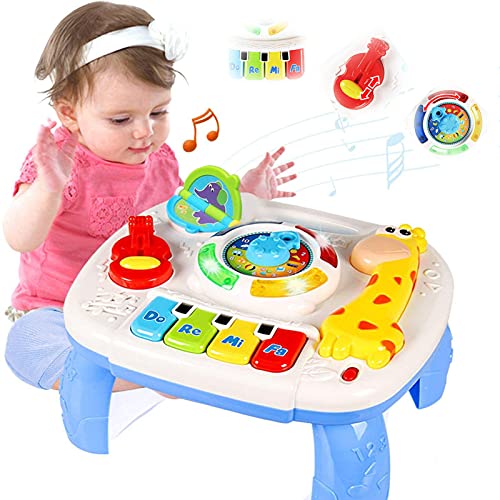
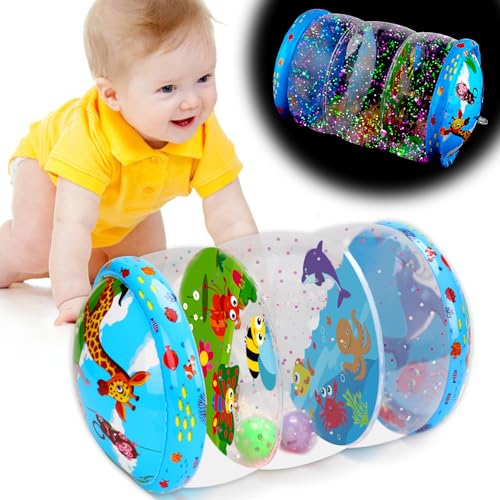
These multi-functional toys often include a soft mat, overhead toys, and detachable activities. They encourage reaching and batting while your baby practices sitting with support.
🪆 Stacking & Nesting Toys
Soft stacking rings or cups are perfect for little hands. They help develop hand-eye coordination and introduce concepts like size and order.
🔊 Musical & Light-Up Toys
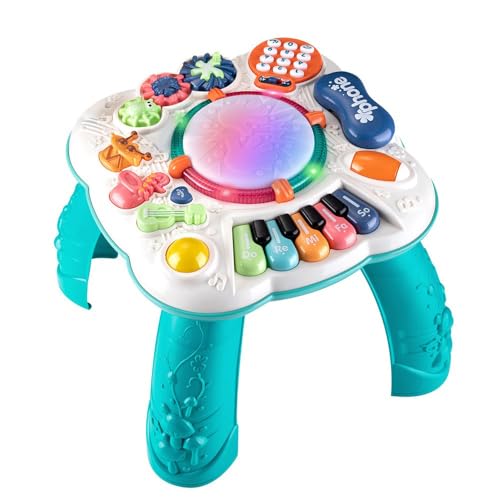
Toys that play melodies or light up when pressed are a huge hit. They teach cause and effect and provide auditory and visual stimulation.
🐻 Soft Plush Activity Toys
Plush toys with crinkle fabric, teething rings, and mirrors offer sensory variety and are safe for cuddling and chewing.
Tips for Using Sitting Toys Effectively
- Start with short sessions: 5–10 minutes a few times a day is plenty. Always supervise.
- Combine with tummy time: Place a toy just out of reach to encourage your baby to push up and reach forward.
- Rotate toys regularly: Keep a few toys in rotation to maintain novelty and prevent boredom.
- Use a supportive seat: A Bumbo chair or a high-backed baby seat can provide extra support while your baby plays.
- Engage with your baby: Sit facing them and talk about the toy, sing songs, or demonstrate how it works.
Explore more age-appropriate toys in our toys and games for 6 month old collection.
Frequently Asked Questions
When do babies typically start sitting up?
Most babies begin sitting with support around 4–6 months and can sit independently by 7–9 months. Every baby develops at their own pace.
Are sitting toys safe for a 6‑month‑old?
Yes, when used with supervision and age-appropriate. Always check for small parts, sharp edges, and follow the manufacturer's age recommendations.
How many sitting toys does my baby need?
A small rotation of 3–5 quality toys is better than a large collection. This keeps playtime focused and encourages deeper engagement.
Ready to Find the Perfect Sitting Toy?
Browse our curated selection of top-rated sitting up toys for 6 month olds. All picks are vetted for safety, quality, and developmental value.
Explore Toys BelowLooking for toys for older or younger siblings? Check out our guides for 5‑year‑olds, 4‑year‑olds, 3‑year‑olds, and 2‑year‑olds.