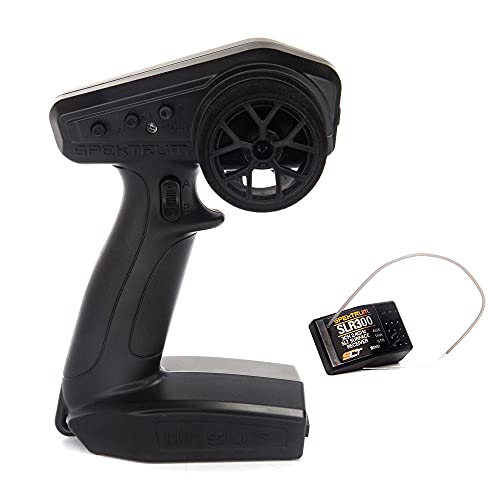
RC Car Transmitter and Receiver: The Complete Guide to Choosing and Pairing Your Radio System
The transmitter and receiver are the nervous system of every radio-controlled car. This in-depth guide explains how they work, what specifications matter, and how to select a reliable combo for your build or upgrade.
Why the Transmitter and Receiver Matter More Than You Think
When enthusiasts talk about improving an RC car, the conversation often jumps straight to motors, batteries, or tires. Yet the single upgrade that most dramatically transforms the driving feel is a quality radio system. The transmitter and receiver pair determines how precisely you steer, how quickly the car responds to throttle input, and how reliably the link holds when other RC vehicles are nearby.
A basic factory radio bundled with a ready-to-run model may work fine for casual bashing. However, once you start driving faster, tackling technical terrain, or running alongside friends, the limitations of entry-level electronics become obvious. Latency increases, range drops off, and interference from other 2.4GHz devices can cause dangerous glitches.
This guide walks you through everything a buyer researching an RC car transmitter and receiver needs to know: how the two components communicate, which specifications genuinely affect performance, and how to match a radio system to your vehicle type. If you are still exploring the broader hobby, our overview of radio control models provides helpful context on the different vehicle classes available.
How Transmitters and Receivers Communicate
The transmitter is the handheld unit with the steering wheel or sticks and the throttle trigger. Inside, it encodes your inputs into a digital signal and broadcasts it over a specific radio frequency. The receiver, a small module mounted inside the car chassis, captures that signal and outputs electrical pulses to the steering servo and the electronic speed controller (ESC).
Modern systems almost universally operate on the 2.4GHz band. Unlike the older AM and FM frequencies, 2.4GHz technology uses frequency hopping and digital encoding, which practically eliminates cross-talk between cars. Each transmitter-receiver pair is "bound" together through a unique identifier, so your car only responds to your controller.
Two specifications dominate the shopping decision:
- Channels: Each channel controls one function. A 2-channel system covers throttle and steering, which is sufficient for most on-road and off-road cars. A 3-channel system adds an auxiliary function such as lights or a winch. Crawler and scale-truck drivers often prefer 4 or more channels for differential locks, two-speed transmissions, and trailer controls.
- Protocol: Some manufacturers use proprietary protocols, meaning the transmitter only works with receivers from the same brand. Others support multi-protocol modules that can bind with several popular receiver families, giving buyers more flexibility.
Quick tip: If you are building a car from scratch, decide on your radio protocol before buying any other electronics. Servos and ESCs are largely brand-agnostic, but transmitters and receivers must speak the same language.
Key Features to Evaluate Before You Buy
Not every specification on a product page translates into real-world driving benefits. The following list highlights the features that experienced hobbyists consistently prioritize.
Latency and Refresh Rate
Latency is the delay between moving the trigger and the car reacting. High-end systems advertise refresh rates measured in milliseconds and frame rates of several hundred hertz. For a casual basher, the difference is subtle. For competitive racing or high-speed speed runs, low latency translates directly into faster lap times and greater confidence at speed. Mid-range systems today offer latency figures that were exclusive to flagship radios a few years ago.
Ergonomics and Build Quality
You will hold the transmitter for hours at a time, so grip shape, weight balance, and trigger feel matter. Entry-level transmitters are typically lightweight plastic with fixed ergonomics. Mid-range and premium units add adjustable throttle tension, swappable grips, and rubberized surfaces. A comfortable transmitter reduces hand fatigue and improves steering precision over a long session.
Receiver Size and Antenna Design
The receiver must fit inside the chassis, often in a tight electronics bay. Micro receivers suit small-scale cars and tight builds, while standard receivers offer more ports and sometimes dual antennas for diversity. Antenna placement inside the car affects signal reliability, so a receiver with a flexible antenna wire is easier to route cleanly.
Telemetry and Model Memory
Telemetry-capable systems can display battery voltage, motor temperature, and speed on the transmitter screen. This is valuable for monitoring the health of high-power setups. Model memory lets one transmitter store settings for multiple cars, which is ideal for enthusiasts who own several vehicles. A transmitter with ten or more model slots effectively replaces a shelf full of separate controllers.
Failsafe Behavior
A failsafe is a programmed response when the radio link is lost. Good systems let you set the throttle to neutral or brake and the steering to center, preventing a runaway car. Always verify that your chosen receiver supports configurable failsafe and test it before your first run.
Comparing Radio System Tiers
Rather than focusing on any single figure, it helps to understand where a product sits in the market. The table below groups transmitter and receiver combos into universal quality tiers so you can match expectations to your driving goals.
| Tier | Best For | Typical Characteristics |
|---|---|---|
| Entry-level / starter tier | Casual backyard bashing, first hobby-grade car | 2 channels, basic plastic housing, fixed ergonomics, adequate range for parks and driveways, simple binding procedure |
| Mid-range / balanced tier | Regular off-road driving, club-level racing, multi-car owners | 3–4 channels, improved latency, adjustable trigger tension, model memory for several vehicles, telemetry-ready receivers |
| High-end tier / flagship | Competitive racing, speed runs, serious crawler builds | Low-latency protocol, premium materials, extensive mixing and programming, multi-protocol support, advanced telemetry, dual-antenna receivers |
A mid-range system is the sweet spot for most enthusiasts. It delivers noticeably smoother control than a starter radio without the complexity and steep learning curve of a flagship unit. Upgrading from entry-level to mid-range is often the most impactful change a driver can make after tires and suspension.
Building a complete rig? Pair your radio system with a capable chassis. Explore our guide to 1/10 scale RC cars to see how electronics choices shape performance in this popular class.
Binding, Calibration, and First-Run Checklist
Once you have chosen a transmitter and receiver, proper setup ensures reliable operation. The exact procedure varies by brand, but the general workflow follows these steps:
- Bind the receiver: Put the transmitter into bind mode, power the receiver with a bind plug installed, and wait for the confirmation LED. Remove the bind plug and cycle power.
- Calibrate the ESC: With the transmitter on and throttle at neutral, power the ESC and follow its calibration sequence so it learns the full throttle and brake range.
- Set endpoints: Adjust steering endpoints so the servo does not strain against the chassis at full lock. This protects the servo and steering linkage.
- Program the failsafe: Set throttle to neutral and steering to center for the failsafe condition, then test by powering off the transmitter while the car is on blocks.
- Range check: With the car stationary and wheels off the ground, walk away and confirm steering and throttle respond smoothly at a reasonable distance.
Taking twenty minutes to complete this checklist prevents most of the glitches that new hobbyists attribute to faulty electronics. If you plan to run your car in wet conditions, also review how your receiver is mounted and consider a waterproof receiver box.
Matching the Radio System to Your Car
On-Road and Drift Cars
Precision steering and consistent throttle feel matter most here. A mid-range 2-channel system with low latency is ideal. Drift drivers benefit from adjustable throttle curves that let them modulate wheel speed smoothly. If you are new to the discipline, our introduction to the RC drift car explains how chassis setup and electronics work together.
Off-Road Trucks and Buggy Racers
Off-road driving introduces bumps, jumps, and frequent throttle corrections. A 3-channel system with a comfortable trigger and reliable failsafe is a sensible baseline. Racers often step up to high-end radios for the finer endpoint adjustment and faster response. Enthusiasts running powerful builds should also read about 4x4 RC trucks for adults to understand how electronics scale with vehicle capability.
Crawlers and Scale Trucks
Crawler drivers frequently need four or more channels for winches, differential locks, and lighting kits. A transmitter with model memory and assignable switches makes managing these functions far easier. Pairing such a radio with a capable platform, such as an RC rock crawler, unlocks the full potential of technical terrain driving.
Whatever vehicle you drive, the transmitter and receiver remain the constant interface between you and the machine. Enthusiasts who later move into more complex builds, including RC car kits to build for adults, quickly discover that a quality radio system is the foundation every other upgrade builds upon.
Frequently Asked Questions
Can I use any transmitter with any receiver?
No. The transmitter and receiver must share the same protocol. Many manufacturers use proprietary protocols, so a receiver from one brand generally will not bind to a transmitter from another. Multi-protocol modules are the main exception, allowing one transmitter to work with receivers from several popular brands.
How far can an RC car transmitter reach?
Most modern 2.4GHz systems provide reliable control well beyond the distance at which a driver can clearly see the car. Entry-level systems offer adequate range for parks and driveways, while mid-range and high-end systems maintain a solid link at greater distances. Always perform a range check before driving in a new location.
Do I need telemetry for casual driving?
Telemetry is optional for casual bashing. It becomes genuinely useful when running high-power setups where monitoring battery voltage and motor temperature helps prevent damage. If you plan to push your car hard, a telemetry-capable receiver is a worthwhile investment.
What does binding mean and how often must I do it?
Binding is the one-time process of linking a transmitter to a receiver so they recognize each other. After a successful bind, the pair reconnects automatically every time you power on. You only need to bind again if you replace one of the components or intentionally pair the transmitter with a different receiver.