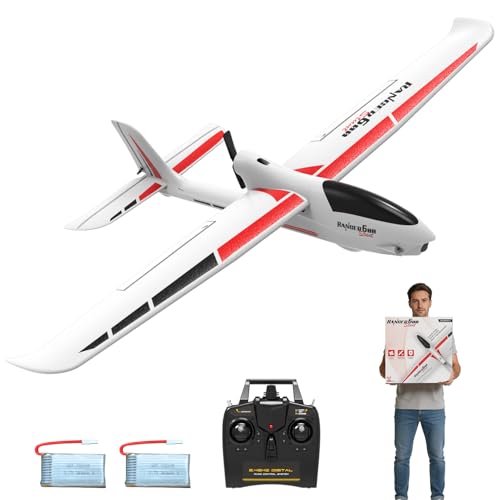
Radio Control Airplane: The Complete Guide for New Pilots
Radio control airplanes open the door to one of the most rewarding hobbies in the sky. Whether you are buying your first trainer or upgrading to a faster aerobatic model, understanding the different aircraft types, flight systems, and safety practices makes every flight more enjoyable. This expert guide covers everything you need to choose with confidence.
Explore Top PicksUnderstanding RC Airplane Categories
The world of radio control airplanes is broad, but most models fall into a handful of clear categories based on flight characteristics, construction, and intended skill level. Knowing these categories helps you match a plane to your experience and goals. For newcomers, trainer aircraft with high wings and gentle handling are the smart starting point. More advanced pilots may prefer low-wing sport planes for aerobatics or scale models for realistic flight characteristics.
Power systems matter just as much as airframe design. Electric RC airplanes have become the dominant choice for most hobbyists thanks to their quiet operation, low maintenance, and instant throttle response. Fuel-powered models remain popular with experienced pilots who appreciate the sound and endurance of glow or gas engines. If you are interested in ground-based RC vehicles as well, our guide to ready-to-run RTR electric RC cars offers a complementary starting point.
Top Radio Control Airplane Categories
Trainer Airplanes
High-wing trainers with self-leveling assistance are the ideal entry point. Foam construction keeps repairs simple, while stability features prevent over-correction during early flights. These planes fly slowly enough for new pilots to learn control inputs without panic.
Sport & Aerobatic Planes
Low-wing sport planes offer sharper roll rates, faster speeds, and greater aerobatic capability. These models suit pilots who have mastered the basics and want to explore loops, rolls, and inverted flight. Responsive controls demand smoother inputs.
Scale Models & Warbirds
Scale replicas of historic aircraft deliver realistic flight characteristics and stunning visual presence. Warbirds typically require higher landing speeds and more precise throttle management. These are often favored by experienced pilots seeking authenticity.
Park Flyers & Micro Planes
Small, lightweight planes designed for local parks and backyards. Micro models are ideal for pilots with limited flying space, while park flyers offer a balance of portability and performance. These are excellent for quick practice sessions.
Gliders & Sailplanes
Gliders rely on thermals and updrafts rather than motors, offering a serene and skill-intensive flight experience. Electric-assisted gliders combine powered climbs with unpowered soaring, making them accessible to pilots without slope access.
Jets & Turbine Models
Electric ducted fan jets and turbine-powered models deliver blistering speed and jet-like realism. These demand substantial experience, careful field selection, and strict adherence to safety protocols. They represent the pinnacle of the hobby.
Quick Comparison: Matching an Aircraft to Your Goals
| Aircraft Type | Tier | Best For | Key Feature to Look For |
|---|---|---|---|
| Trainer Airplanes | Starter tier | New pilots learning the fundamentals | Self-leveling assist, foam airframe |
| Sport & Aerobatic Planes | Mid-tier | Pilots ready for loops and rolls | Responsive servos, reinforced wings |
| Scale Models & Warbirds | Mid-range | Pilots who value realism and history | Accurate detailing, robust landing gear |
| Park Flyers & Micro Planes | Entry-level | Limited flying spaces and quick sessions | Compact size, lightweight construction |
| Gliders & Sailplanes | Premium | Soaring enthusiasts and thermal hunters | Efficient airfoil, strong wing spars |
| Jets & Turbine Models | High-end tier | Experienced pilots seeking high speed | Ducted fan or turbine power, reinforced frame |
Key Considerations Before Buying an RC Airplane
Purchasing a radio control airplane involves more than picking a model that looks appealing. Consider your flying field: larger planes need more open space, while micro models can fly in smaller parks. Factor in your transmitter compatibility — many modern receivers bind to a single radio brand, so choosing an ecosystem early saves hassle later. Battery systems also vary; LiPo packs offer the best power-to-weight ratio but require proper charging and storage practices.
Durability is another important consideration, especially for new pilots. Foam airframes absorb impact better than balsa and are easier to repair with simple adhesives. For pilots interested in water-based flying, our guide to RC planes that can land on water explores float-equipped models and their unique setup requirements. If you also enjoy RC cars, our collection of HO scale cars and trucks provides an alternative hobby direction worth exploring.
Finally, plan for maintenance and storage. Keep spare propellers on hand, inspect control surfaces before each flight, and store batteries in fire-resistant containers at appropriate storage voltage. Our toy maintenance guide offers broader insights into extending the life of hobby equipment through regular care and inspection routines.
Safety and Learning Tips for New Pilots
The single most effective step for new pilots is practice on a flight simulator before taking to the sky. Simulators build muscle memory for orientation, throttle management, and recovery techniques — all without risking the aircraft. Joining a local RC flying club provides mentorship, safe flying fields, and opportunities to learn from experienced pilots. Club members often share setup tips and can act as a spotter during early flights.
Before each flight, check weather conditions, inspect the airframe for damage, and confirm that batteries are fully charged. Fly in open areas away from people, buildings, and power lines. Observe local regulations regarding altitude limits and registration requirements. Begin with short flights in calm conditions, gradually extending duration and complexity as your comfort level grows.
Keep Exploring the World of RC Flight
Radio control hobbies span land, water, and air. These related guides help you explore adjacent categories and find the perfect starting point for your next adventure.
Frequently Asked Questions
What is a radio control airplane?
A radio control airplane is a model aircraft operated remotely using a handheld transmitter that sends signals to a receiver inside the plane. These models range from simple ready-to-fly trainers to advanced aerobatic aircraft, and are powered by electric motors or fuel engines.
What is the best radio control airplane for beginners?
Beginners should look for high-wing trainer planes with stability features, durable foam construction, and ready-to-fly packaging. These models offer gentle flight characteristics, easy repair options, and often include assisted flight modes that help new pilots build confidence before advancing to faster aircraft.
How do I learn to fly a radio control airplane safely?
Start with a trainer plane, practice on a flight simulator, join a local RC flying club, and always fly in open areas away from people and obstacles. Observe local regulations, check weather conditions, and perform pre-flight checks before every session.
How long does a typical RC flight last?
Flight duration depends on battery capacity, aircraft weight, and throttle management. Most electric trainer planes fly for 8 to 15 minutes per charge, while gliders can stay aloft much longer by exploiting thermals. Carrying multiple battery packs extends each outing considerably.
What maintenance does an RC airplane require?
Regular maintenance includes inspecting control surfaces and hinges, checking propeller balance, verifying battery health, and cleaning the airframe after each flight. Store batteries at appropriate voltage and keep the aircraft in a dry, temperature-stable location. Our toy maintenance guide covers broader equipment care practices.