Puzzle Puzzel: The Complete Guide to Puzzles for Kids & Families
From chunky first puzzles for toddlers to intricate 1000-piece jigsaw puzzles and mind-bending brain teasers, discover how the right puzzle puzzel builds focus, patience, and problem-solving skills at every age.
Explore the Buying GuideWhy puzzles deserve a place in every toy collection: A puzzle puzzel is one of the few toys that grows with a child. The same simple act of fitting a piece into place supports fine motor development in a toddler, spatial reasoning in a preschooler, and persistence in a school-age child. For adults and families, puzzles offer a screen-free way to slow down and connect.
This guide explains how to choose puzzles by age, the difference between jigsaw puzzles and brain teasers, what to look for in build quality, and how to make puzzling a lasting habit. Whether you are shopping for a first wooden puzzle or a premium 1000-piece family project, you will find clear, practical guidance below.
What Exactly Is a Puzzle Puzzel?
The phrase puzzle puzzel is a common search variation for "puzzle puzzle" and refers broadly to any toy or activity that requires assembling, solving, or decoding. In the toy world, it usually covers three overlapping categories:
- Jigsaw puzzles — interlocking cardboard or wooden pieces that form a complete picture when assembled.
- Brain teasers and logic puzzles — tangrams, metal wire puzzles, wooden sequence puzzles, and 3D assembly challenges.
- Educational puzzles — matching, sorting, and layered puzzles designed around letters, numbers, shapes, and world maps.
All three share the same core benefit: they turn problem-solving into play. That is why teachers, occupational therapists, and parents consistently rank puzzles among the most valuable toys for early childhood development.
Types of Puzzle Puzzel Toys Explained
Jigsaw Puzzles
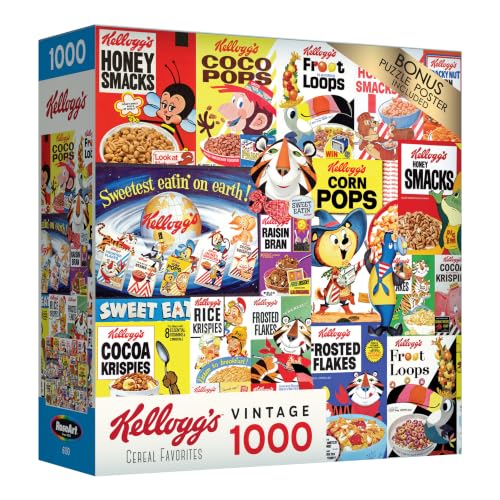
Jigsaw puzzles are the classic form of puzzle puzzel. They range from 4-piece toddler puzzles with chunky knob pieces to 1000-piece and 2000-piece adult puzzles. Cardboard jigsaw puzzles are the most common, but wooden jigsaw puzzles offer a more durable, premium feel and are excellent for frequent use. Many families keep a rotation of seasonal and themed jigsaw puzzles, and themed sets make thoughtful gifts — for example, our gift ideas for five-year-olds include several puzzle options.
Wooden and Chunky Puzzles
Wooden puzzles with large knobs, peg pieces, or inset shapes are the best entry point for toddlers. They are easy to grip, forgiving to assemble, and often double as shape-sorting or animal-recognition toys. If you are shopping for the youngest puzzlers, our puzzles for one-year-olds guide covers safe, age-appropriate first puzzles.
Floor Puzzles
Floor puzzles use oversized, thick pieces that are easy for small hands to manipulate and can be assembled on the ground. They are ideal for preschoolers who are transitioning from chunky wooden puzzles to interlocking jigsaw puzzles. A floor puzzle also works well as a cooperative activity for siblings.
3D and Model Puzzles
3D puzzles, model kits, and building puzzles challenge older children and adults to assemble structures rather than flat images. These overlap with model building and STEM play, and they reward patience and precision. Many teens who enjoy 3D puzzles also enjoy the structured building challenges found in puzzle toys collections.
Brain Teasers and Logic Puzzles
Brain teasers are puzzle puzzel toys built around reasoning rather than picture assembly. Tangrams, metal disentanglement puzzles, and wooden logic puzzles are compact, travel-friendly, and excellent for developing flexible thinking. They are a natural next step for children who have mastered jigsaw puzzles and want a fresh challenge.
How to Choose the Right Puzzle Puzzel
Choosing well comes down to four factors: age and piece count, theme and interest, build quality, and the intended play setting. The table below gives a quick reference for matching puzzle types to age groups.
| Age Group | Best Puzzle Type | Typical Piece Range | Best For |
|---|---|---|---|
| 1–2 years | Chunky wooden, knob, and peg puzzles | 4–12 pieces | Grip strength, shape recognition, first problem-solving |
| 3–5 years | Floor puzzles, framed jigsaw puzzles | 12–48 pieces | Fine motor control, patience, visual matching |
| 6–8 years | Standard jigsaw puzzles, 3D puzzles | 48–200 pieces | Concentration, spatial reasoning, independent play |
| 9–12 years | Challenging jigsaws, brain teasers | 200–500 pieces | Persistence, logic, collaborative family play |
| Teens & adults | Large jigsaws, premium wooden puzzles, logic puzzles | 500–2000+ pieces | Screen-free focus, long-form projects, group activity |
When matching a puzzle to a child, start slightly below their estimated maximum piece count. A completed puzzle should feel satisfying, not frustrating. For a more detailed age-by-age breakdown, see our guides to puzzles for four-year-olds and preschool toys for ages three to five.
Puzzle Quality Tiers: What Separates Entry-Level from Premium
Puzzle puzzel products span a wide quality spectrum. Rather than focusing on numbers, it helps to think in terms of tiers. The three descriptors below are used consistently across this guide.
Essential Tier
Entry-level puzzles with standard cardboard construction and simpler die-cuts. A solid choice for occasional use, first puzzles, and themed sets that children may outgrow quickly.
Balanced Tier
Mid-range puzzles with thicker pieces, tighter interlocking, and better print quality. These offer good value for their tier and hold up well to repeated assembly by families.
Top-Tier
Premium and professional-grade puzzles with high-grade materials, precision cutting, and durable finishes. Ideal for serious puzzlers, collectors, and long-term family projects.
Balanced-tier puzzles usually deliver the smoothest experience for most families: the pieces click together cleanly, the image stays crisp after repeated use, and the box holds up over time. Top-tier wooden puzzles are a worthwhile investment for households that puzzle frequently, because their durability and tactile feel are noticeably better than essential-tier cardboard sets.
The Developmental Benefits of Puzzle Play
Puzzles are quietly powerful learning tools. Research in early childhood education consistently links puzzle play to gains in several areas:
- Fine motor skills — picking up, rotating, and placing pieces strengthens the small muscles needed for writing.
- Spatial reasoning — children learn to mentally rotate shapes and judge how pieces fit together.
- Concentration and patience — a puzzle has a clear goal, which teaches sustained focus.
- Problem-solving — puzzlers develop strategies such as sorting edges first, grouping by color, and working in sections.
- Social skills — cooperative puzzling builds turn-taking, communication, and shared achievement.
For families looking to build a broader play and learning routine, puzzles pair naturally with other quiet, focused activities found in our puzzle toys and play ideas resources.
Practical Tips for Puzzle Success
Tip: Sort edge pieces first, then group remaining pieces by color or pattern. This simple method works for every age and makes large puzzles far less overwhelming.
- Set up a dedicated space. A flat, well-lit surface with a puzzle mat or board lets you pause and resume without losing progress.
- Start with the frame. Assembling the border first gives puzzlers a clear structure to fill in.
- Work in sections. Divide the image into zones and complete one area at a time.
- Rotate puzzles. Keep a small rotation of puzzles so the activity stays fresh and children return to favorites with new skills.
- Puzzle together. Family puzzle time models persistence and turns a solo activity into a shared ritual.
If you are building a gift or play corner around puzzles, our gift ideas for three-year-olds and gift ideas for four-year-olds pages include puzzle-friendly picks that complement this guide.
Ready to Find the Perfect Puzzle?
Browse our curated selection of jigsaw puzzles, wooden puzzles, floor puzzles, and brain teasers below. Each recommendation is chosen for age-appropriate difficulty, build quality, and lasting play value.
See Recommended PuzzlesFrequently Asked Questions About Puzzle Puzzel
What age are puzzle puzzel toys suitable for?
Puzzle puzzel toys span every age group. Chunky wooden and knob puzzles suit toddlers around one to two years old, while floor puzzles and 24 to 48 piece jigsaw puzzles work well for preschoolers aged three to five. School-age children and teens progress to 100 to 500 piece puzzles, and families can enjoy 1000 piece jigsaw puzzles together.
How do I choose the right puzzle for my child?
Match the piece count and theme to your child's age and interests. Younger children benefit from larger, thicker pieces and familiar images such as animals or vehicles. Older kids enjoy more complex scenes, 3D puzzles, and brain teasers. Consider the finished size, the quality of the cut, and whether the puzzle is designed for solo or group play.
Are puzzles good for child development?
Yes. Puzzles support fine motor skills, spatial reasoning, problem solving, patience, and concentration. Working on puzzles with others also builds cooperation and communication skills. Many educators use puzzles as part of early learning and STEM-focused play.
What is the difference between a jigsaw puzzle and a brain teaser?
A jigsaw puzzle is an interlocking image puzzle assembled into a complete picture, while a brain teaser is a logic or mechanical puzzle that challenges reasoning, such as tangrams, metal wire puzzles, or wooden sequence puzzles. Both develop critical thinking, but jigsaw puzzles focus more on visual and spatial assembly.