
Popular Toys for Kindergarteners: A Complete Guide
Discover the toys that kindergarteners love and the developmental benefits behind them. From building sets to pretend-play kits, this guide helps you choose play essentials that spark curiosity, creativity, and confidence in children aged five and six.
Kindergarten is a pivotal stage. At five and six years old, children are transitioning from parallel play to cooperative play, developing early literacy and numeracy skills, and refining their fine motor control. The toys they engage with during this window can reinforce classroom learning, build social skills, and nurture a lifelong love of discovery.
This guide explores the most popular toys for kindergarteners, organized by category and developmental benefit. Whether you are shopping for a birthday, a holiday, or simply looking to refresh the playroom, you will find practical recommendations and clear guidance to help you make confident choices.
What Makes a Great Toy for Kindergarteners?
Kindergarteners are active, curious, and increasingly social. The best toys for this age group share a few common traits: they are open-ended, they encourage hands-on exploration, and they can be used in multiple ways as a child's skills grow. A toy that is too prescriptive may hold attention briefly, while a versatile toy can remain engaging for months.
Developmental experts highlight several key areas that toys can support at this stage:
- Cognitive skills: Counting, sorting, sequencing, letter recognition, and early problem-solving.
- Fine motor skills: Gripping, stacking, drawing, lacing, and manipulating small pieces.
- Social and emotional skills: Turn-taking, sharing, role-playing, and expressing feelings through pretend play.
- Language and literacy: Storytelling, vocabulary building, and early reading readiness.
- Physical development: Balance, coordination, and gross motor movement through active play.
When evaluating a toy, ask yourself: Does it invite experimentation? Can it be used in more than one way? Does it match my child's current interests while offering a gentle challenge? These questions help narrow the field to toys that truly add value to a kindergarten playroom.
Top Toy Categories for Kindergarteners
The most popular toys for kindergarteners fall into a handful of well-established categories. Each category supports different aspects of development, and a balanced toy collection typically includes a mix of several types.
Building and Construction Sets
Blocks, magnetic tiles, and interlocking sets develop spatial reasoning, fine motor control, and patience. They are among the most versatile toys available and can be revisited as a child's building ambitions grow.
Pretend Play and Role-Play Kits
Play kitchens, doctor kits, puppet sets, and dress-up collections fuel imagination and social skills. Pretend play allows kindergarteners to rehearse real-world scenarios and express emotions in a safe environment.
Puzzles and Brain Teasers
Jigsaw puzzles, logic games, and pattern-matching challenges build concentration and visual-spatial skills. Puzzles are a quiet, focused activity that complements the more energetic play kindergarteners enjoy.
Art and Craft Supplies
Crayons, modeling clay, safety scissors, and craft kits encourage creativity and fine motor development. Open-ended art materials let children experiment without a fixed outcome, which builds confidence.
Early STEM and Learning Toys
Simple science kits, counting games, and coding toys introduce foundational concepts in a playful way. Look for toys that prioritize hands-on discovery over screen time.
Outdoor and Active Toys
Balls, scooters, sandbox sets, and playground equipment support gross motor development. Active play is essential for kindergarteners, who need daily opportunities to move and burn energy.
Board Games and Cooperative Games
Simple board games teach turn-taking, rule-following, and good sportsmanship. Cooperative games are especially valuable for kindergarteners who are still learning to manage frustration.
Plush Toys and Comfort Items
Stuffed animals and soft toys offer comfort and can be incorporated into pretend play. They also make thoughtful gifts for children who enjoy nurturing and storytelling.
How to Choose: A Tiered Approach to Toy Selection
When building a toy collection for a kindergartener, it helps to think in terms of tiers. Each tier represents a different balance of features, durability, and versatility. This framework helps you prioritize what matters most for your child and your household.
| Tier | Best For | Key Characteristics |
|---|---|---|
| Essential Tier | Everyday play and foundational skill-building | Simple, durable designs that cover core developmental areas. These are the workhorse toys that get daily use and hold up to enthusiastic play. |
| Balanced Tier | Children ready for more complexity and variety | Toys with additional features, more pieces, or broader play possibilities. These offer good value for families who want a versatile, long-lasting collection. |
| Top-Tier | Enthusiastic builders, aspiring artists, and curious minds | Premium materials, extensive piece counts, and advanced features. These are investment pieces designed to grow with a child and support deeper engagement. |
Tip: A balanced toy collection does not need to be large. A handful of well-chosen items from each tier, rotated periodically, can keep a kindergartener engaged for hours without overwhelming them with choices.
Building Sets: The Cornerstone of Kindergarten Play
Building toys are consistently among the most popular choices for kindergarteners, and for good reason. They are open-ended, scalable, and endlessly reusable. A child who builds a simple tower at five may be designing a complex castle at six, using the same core set of pieces.
When selecting building sets, consider the following:
- Piece size and safety: Ensure pieces are large enough to be handled comfortably and safely by small hands. Check age recommendations on packaging.
- Compatibility: Sets that work with existing blocks or tiles extend play value and reduce clutter.
- Instructions vs. open-ended play: Some sets include guided builds, while others are purely open-ended. A mix of both can be ideal.
- Storage: Building sets come with many small pieces. A dedicated storage bin or sorting system makes cleanup easier. For more ideas, see our guide to toy organization.
For families looking to explore more structured building challenges, puzzle toys and logic games offer a complementary way to build spatial reasoning and patience.
Pretend Play: Where Imagination Takes Center Stage
Pretend play is one of the most valuable forms of play for kindergarteners. It allows children to experiment with social roles, practice language, and work through emotions. Popular pretend-play toys include play kitchens, doctor and veterinarian kits, tool sets, and puppet theaters.
Puppets deserve special mention. They combine storytelling, language practice, and creative expression in a single activity. Whether your child prefers animal puppets, fantasy creatures, or classic hand puppets, this category offers rich opportunities for interactive play. Explore options like puppet dragons for children who love fantasy-themed storytelling.
For children who enjoy nurturing play, dolls and plush toys remain enduring favorites. A simple rag doll or a soft stuffed animal can become a cherished companion and a key prop in imaginative scenarios. See our selection of rag dolls for classic, huggable options.
Puzzles and Brain Games: Building Focus and Persistence
Puzzles are a quiet, focused activity that balance the more energetic play kindergarteners enjoy. A well-chosen puzzle offers a satisfying challenge that builds concentration, visual-spatial skills, and the persistence to complete a task.
For five- and six-year-olds, puzzles with 24 to 60 pieces are typically appropriate, depending on the child's experience. Floor puzzles with large pieces are a good choice for beginners, while more complex jigsaw puzzles suit children who have already developed puzzle-solving confidence.
Beyond traditional jigsaw puzzles, brain games and logic puzzles introduce rules and strategy in a playful format. These games are excellent for developing executive function skills and are often enjoyable for the whole family. For more puzzle options, browse our puzzle collection.
Active and Outdoor Toys: Movement Matters
Kindergarteners need daily physical activity, and toys that encourage movement are essential. Balls, jump ropes, scooters, balance bikes, and sandbox sets all support gross motor development while providing pure fun.
Outdoor play also offers sensory-rich experiences that indoor play cannot replicate. Sand, water, and natural materials invite experimentation and calm, focused play. If you have a pool or water play area, consider adding pool toys to your collection for summertime fun.
For families with a backyard or play space, simple additions like a slide or climbing structure can transform outdoor time into a daily adventure. These investments support physical development and provide a healthy outlet for energy.
Art and Creativity: Nurturing Self-Expression
Art supplies are a kindergarten staple. Crayons, markers, modeling clay, safety scissors, and collage materials give children the tools to express ideas and experiment with color, form, and texture. The value of art lies in the process, not the product, so open-ended materials are generally more valuable than kits with a fixed outcome.
A dedicated art station or a simple tray of supplies can make creative play easy to access and easy to clean up. Rotating materials periodically keeps the experience fresh. For more ideas on managing play spaces, see our guide to playroom organization.
Age-Appropriate Considerations for Kindergarteners
While every child develops at their own pace, there are general guidelines that help when selecting toys for five- and six-year-olds:
- Fine motor precision: Most kindergarteners can manipulate small pieces, use scissors with supervision, and draw recognizable shapes. Toys that require these skills are appropriate and beneficial.
- Attention span: Kindergarteners can focus on a task for longer periods than preschoolers, often 10 to 15 minutes or more. Puzzles, building projects, and art activities can hold their attention well.
- Social play: Cooperative play becomes more common at this age. Board games and group activities that require turn-taking and negotiation are excellent choices.
- Early academics: Toys that introduce letters, numbers, and simple science concepts can reinforce classroom learning, but they should remain playful and low-pressure.
Always check age recommendations on toy packaging, and supervise play with small pieces or tools that require adult oversight.
Managing the Toy Collection: Rotation and Refresh
Kindergarteners can quickly become overwhelmed by too many toys. A toy rotation system, in which a subset of toys is available at any given time, can help maintain focus and engagement. Toys that are stored away can be brought out later and feel new again.
When introducing new toys, consider removing or storing a comparable number of older items. This keeps the collection manageable and helps children appreciate what they have. For more strategies, explore our toy organization resources, including storage solutions and decluttering tips.
Gift-Giving Guidance for Kindergarteners
If you are shopping for a kindergartener, whether for a birthday or a holiday, the best gifts are those that match the child's interests while offering room to grow. Building sets, art supplies, and pretend-play kits are consistently well-received. For more targeted ideas, explore our gift guides by age:
For children transitioning from preschool, the preschool toys collection offers a helpful overview of toys that bridge the gap between preschool and kindergarten.
Frequently Asked Questions
What types of toys are best for kindergarteners?
Kindergarteners benefit most from open-ended toys that encourage creativity, problem-solving, and physical activity. Building sets, art supplies, pretend-play kits, puzzles, and simple STEM toys are all strong choices that align with their developmental stage. A balance of quiet, focused activities and active, energetic play works best.
How do I choose toys that support kindergarten learning?
Look for toys that combine fun with skill-building. Toys that involve counting, letter recognition, sequencing, or fine motor practice reinforce what children learn in school. Balance educational value with pure play, since imaginative and active play are equally important for development.
Are screen-free toys still important for kindergarteners?
Yes. Screen-free toys encourage hands-on exploration, social interaction, and physical movement. While some digital tools can be useful, the core of a kindergarten toy collection should focus on tactile, open-ended, and imaginative play. Screen-free play also supports attention span and creativity.
How many toys does a kindergartener really need?
Quality matters more than quantity. A focused collection of versatile toys that can be used in multiple ways often serves children better than a large number of single-purpose items. Rotating toys periodically can keep play fresh and engaging without adding to the collection.
What are the safest toys for five- and six-year-olds?
Look for toys that meet current safety standards, avoid small parts that could pose a choking hazard for children who still mouth objects, and check age recommendations on packaging. For art supplies, choose non-toxic, washable materials. Always supervise play with scissors, small pieces, or battery-operated toys.
Final Thoughts
The most popular toys for kindergarteners are those that respect their growing independence, invite creativity, and support the skills they are developing in school and beyond. Building sets, pretend-play kits, puzzles, art supplies, and active toys form a well-rounded foundation for play at this age.
As you choose toys for the kindergartener in your life, prioritize open-ended play, safety, and opportunities for both independent and social engagement. A thoughtful, balanced collection—maintained through rotation and organization—will serve your child well throughout this exciting stage of development.
For more age-specific recommendations, explore our toys by age hub and the full range of toy categories available on Toy Range.
Top Picks: Popular Toys for Kindergarteners
⚠️ AFFILIATE DISCLOSURE: This website contains affiliate links. As an Amazon Associate, we earn from qualifying purchases. If you make a purchase through these links, we may receive a small commission at no additional cost to you. Read our full affiliate policy.
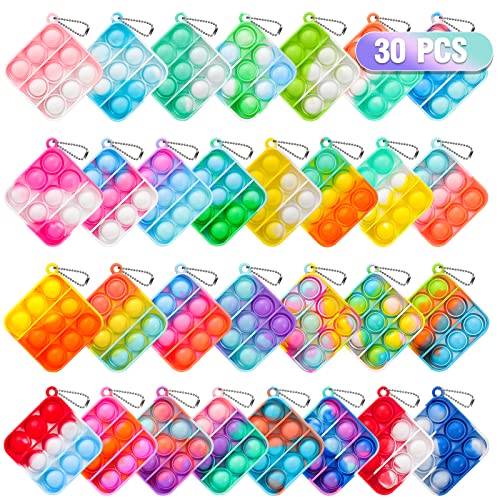
Pop Fidget Toys Bulk Its Party Favors for Kids 30 Pack Mini Pop Keychain It | Christmas Stocking Stuffers for Kids Sensory Small Fidgets for Classroom Prizes Student Gifts Birthday Goodie Bag Stuffers
Check price on Amazon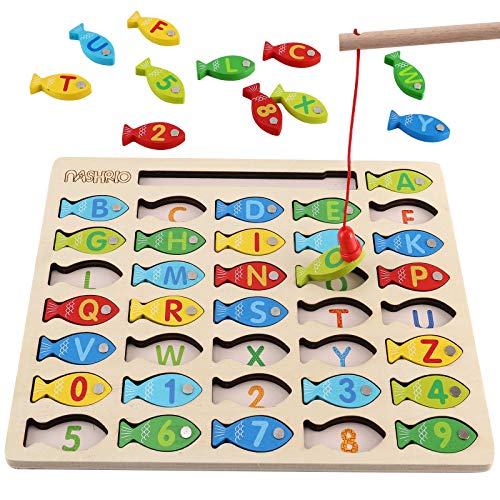
Magnetic Wooden Fishing Game Toy for Preschoolers, Alphabet Fish Catching Counting Games Puzzle with Numbers and Letters, Preschool Learning ABC and Math Educational Toys for 3 4 5 Years Old Kids
Check price on Amazon
nutty toys Sensory Robot Toys 4pk - Top Pop Tubes Fidget 2026 for ADHD & Autism Ages 3 4 5 6 7 8 9 10 11 12, Best Kids Travel Idea, Unique Christmas Kids & Tween Gift Idea, Cool Boy Stocking Stuffers
Check price on Amazon
ThinkFun Zingo Bingo Award Winning Preschool Game for Pre-Readers and Early Readers Age 4 and Up - One of the Most Popular Board Games for Boys and Girls and their Parents (97700)
Check price on Amazon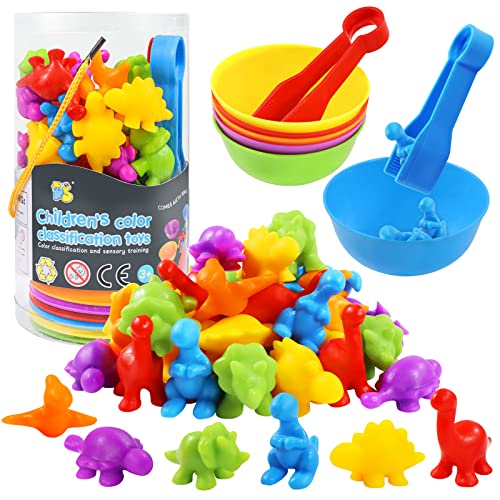
Counting Sorting Dinosaur Toys, Montessori Sensory Matching Toy Ages 3+ | Color Sorting Preschool Learning Activities with Bowls, Educational Stacking STEM Game,Dinosaur Christmas Gift Set for Kids
Check price on Amazon
Officygnet Learning Toys for 3 4 5 6 Years Old Boys and Girls, See & Spell CVC Word Builders with Alphabet Cards for Kids Ages 3-5, Matching Letter Game for Preschool Toddler Learning Activities
Check price on Amazon
Learning Resources STEM Explorers Magnet Movers | Magnet Science Kit, STEM Activity Set, Physics Exploration Toy, Critical Thinking Activity, Hands-On Learning for Kids
Check price on Amazon