Non-Toxic Toys for 2 Year Olds
Safe, sustainable, and developmentally wonderful – our expert guide helps you choose the best non-toxic toys for your curious 2‑year‑old.
Shop Safe Toys →🧸 Why non-toxic matters: At age two, everything goes into the mouth. That’s why choosing toys made from BPA-free plastic, solid wood, food-grade silicone, or organic cotton is essential. This guide covers the safest materials, top brands, and the best playthings that support your toddler’s development – all while being gentle on the planet.
What Makes a Toy “Non-Toxic”?
✅ Safe Materials
- Wood: Sustainably sourced, finished with water-based paints or natural oils.
- Silicone: Food-grade, BPA-free, and easy to clean – perfect for teething.
- Organic fabrics: Cotton, wool, or hemp without chemical dyes or flame retardants.
- Plastic: Look for #2, #4, or #5 recycling codes; avoid PVC and phthalates.
✅ Safety Certifications
- ASTM F963 – US toy safety standard.
- EN71 – European safety compliance.
- GREENGUARD Gold – low chemical emissions.
- OEKO-TEX – for textiles and soft toys.
Best Types of Non-Toxic Toys for 2‑Year‑Olds
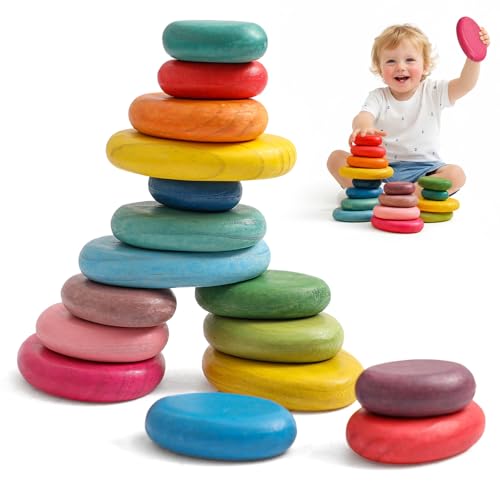
🧩 Building Blocks
Wooden or silicone blocks help develop fine motor skills, spatial awareness, and creativity. Choose sets with rounded edges and non-toxic finishes.
See building toy ideas →🎨 Art Supplies
Washable, non-toxic crayons, finger paints, and play dough. Look for AP (Approved Product) seal from the Art & Creative Materials Institute.
🧸 Soft Toys
Organic cotton or bamboo plush without small parts. Machine-washable and free from chemical softeners.
Explore sensory soft toys🚗 Push & Pull Toys
Sturdy wooden or metal vehicles with smooth wheels. Encourage walking, balance, and cause‑and‑effect learning.
View ride‑along toys🧪 Sensory Play
Water tables, sand trays, and kinetic sand – all made with natural or food‑grade ingredients. Great for tactile exploration.
Check water play toys📚 Quiet Books
Fabric or felt activity books with zippers, buttons, and laces – all sewn with non‑toxic dyes and safe materials.
More quiet play ideasHow to Shop for Non‑Toxic Toys
- 1. Read labels: Avoid “fragrance,” “phthalates,” “PVC,” or “BPA” – opt for “BPA‑free,” “phthalate‑free,” and “water‑based paint.”
- 2. Choose natural materials: Solid wood, organic cotton, and food‑grade silicone are your safest bets.
- 3. Check for small parts: At 2, anything smaller than a ping‑pong ball is a choking hazard. Always follow age recommendations.
- 4. Prefer reputable brands: Look for companies that prioritise sustainability and transparency – like PlanToys, Green Toys, Hape, and Melissa & Doug.
- 5. Avoid painted or varnished toys with unknown finishes: If it’s wooden, make sure the finish is non‑toxic and lead‑free.
Still unsure? Check our guide for 3‑year‑olds too – many toys are safe across ages.
👩⚕️ Pediatrician’s tip: “The best non‑toxic toy is one that encourages open‑ended play without batteries. Blocks, stacking rings, and shape sorters made from natural materials are not only safer but also better for cognitive and motor development at this age.”
Frequently Asked Questions
Are all wooden toys non‑toxic?
Not automatically. Check that the wood is sustainably sourced and the finish is water‑based, solvent‑free, and lead‑free. Many brands clearly state “non‑toxic finish” on the packaging.
What about plastic toys – can they be safe?
Yes, if they are BPA‑free, phthalate‑free, and made from #2, #4, or #5 recyclable plastic. Brands like Green Toys and Tegu use recycled, food‑safe plastics.
How do I clean non‑toxic toys safely?
For wood: wipe with a damp cloth and mild soap; avoid soaking. Silicone and plastic: wash with warm water and gentle soap. Soft toys: machine‑wash on gentle cycle with a fragrance‑free detergent.
Ready to choose the perfect non‑toxic toy for your toddler?
Browse our hand‑picked selection below – all tested for safety and approved by our experts.