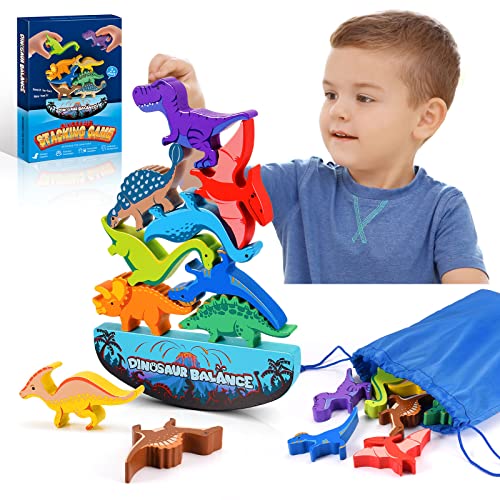
Safe & Non-Toxic Toys for 3 Year Olds
Discover our hand-picked selection of eco-friendly, chemical-free, and developmentally perfect toys for your toddler. Every product is vetted for safety, sustainability, and pure play value.
🌱 Why Non-Toxic Matters at Age 3: At three years old, children are exploring the world through their senses—putting things in their mouths, touching everything, and spending hours in close contact with their toys. Choosing non-toxic toys made from natural materials like wood, organic cotton, and food-grade silicone ensures they are safe from harmful chemicals like BPA, phthalates, and lead. Plus, eco-friendly toys are better for the planet and often more durable, making them a smart investment for your child's development and the environment.
What to Look for in Non-Toxic Toys
🔍 Material Safety
- Wood: Look for FSC-certified wood with non-toxic, water-based paints or finishes.
- Plastic: Choose BPA-free, phthalate-free, and food-grade plastics (like polypropylene or polyethylene).
- Fabric: Opt for organic cotton, wool, or hemp with natural dyes.
- Metal: Ensure it's lead-free and coated with safe, non-toxic paint.
✅ Safety Certifications
- ASTM F963 – Standard Consumer Safety Specification for Toys.
- CPSC – U.S. Consumer Product Safety Commission compliance.
- EN71 – European safety standard for toys.
- OEKO-TEX – for fabrics and textiles.
- Green Seal or EcoLogo – for environmental responsibility.
Best Non-Toxic Toy Categories for 3 Year Olds
🌳 Wooden Building Blocks
Classic, durable, and safe. Wooden blocks encourage creativity, fine motor skills, and spatial awareness. Look for sets with smooth edges and non-toxic paints. Explore building toys for 4-5 year olds for more inspiration.
🧸 Organic Plush Toys
Soft, cuddly, and free from harmful dyes and synthetic materials. Organic cotton or wool plush toys are perfect for comfort and imaginative play. They are also easier to clean and maintain.
🎨 Natural Art Supplies
Non-toxic crayons, washable paints, and soy-based markers are ideal for little artists. They are safe for skin and accidental ingestion, making creative time worry-free.
🧩 Eco-Friendly Puzzles
Puzzles made from recycled cardboard or wood with safe finishes help develop problem-solving skills and hand-eye coordination. They are a great screen-free activity.
Benefits of Non-Toxic Toys for Toddlers
Choosing non-toxic toys for your 3-year-old is one of the best decisions you can make for their health and development. Here are the key benefits:
- ✅ Healthier Development: No exposure to endocrine disruptors, heavy metals, or allergens.
- 🌍 Better for the Planet: Sustainable materials reduce waste and carbon footprint.
- 🧠 Enhanced Sensory Play: Natural textures and materials provide richer sensory experiences.
- 💪 Durability: Non-toxic toys are often made with higher quality materials that last longer.
- 😌 Peace of Mind: You can relax knowing your child is playing safely.
Non-Toxic Toy Safety Tips
🔎 Read Labels Carefully
Always check for certifications like ASTM, CPSC, or EN71. Look for explicit "BPA-free," "phthalate-free," and "lead-free" claims. Avoid toys with vague "eco-friendly" language without clear certifications.
👀 Inspect Regularly
Check for loose parts, splinters, or peeling paint. Even non-toxic toys can become hazardous if damaged. Visit our toy safety guide for more tips.
🧼 Clean Gently
Use mild, non-toxic soap and water. Avoid harsh chemicals that can degrade natural materials. For wooden toys, wipe with a damp cloth and dry immediately.
🔄 Rotate Toys
Keep playtime fresh and reduce wear by rotating toys. This also helps maintain your child's interest and reduces clutter. Learn about toy rotation systems.
Frequently Asked Questions
Are all wooden toys non-toxic?
Not necessarily. Some wooden toys are made with MDF or particleboard that contain formaldehyde, or finished with toxic varnishes. Always look for FSC-certified wood with water-based, non-toxic paints and finishes.
What plastics are safe for toddlers?
Look for food-grade plastics like polypropylene (PP #5) or polyethylene (PE #2 and #4). These are typically BPA-free and phthalate-free. Avoid PVC (#3) and polystyrene (#6).
How can I tell if a toy is truly non-toxic?
Check for third-party certifications like ASTM, CPSC, EN71, or OEKO-TEX. Look for transparent ingredient lists and avoid toys with ambiguous "natural" claims. When in doubt, choose established brands known for safety.
Ready to Choose Safe, Non-Toxic Toys?
Browse our curated selection of the best non-toxic toys for 3 year olds. Every product is carefully chosen for safety, quality, and developmental value.
Explore the Collection Below