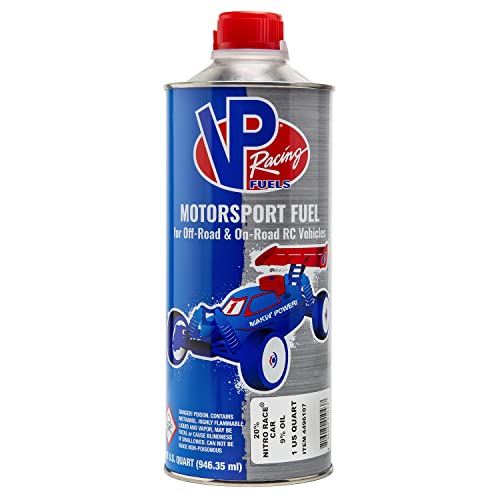
Understanding Nitro Fuel Composition
Nitro fuel for RC trucks is a carefully balanced mixture of three primary components. Each plays a distinct role in how your engine performs, how hot it runs, and how long it lasts.
- Nitromethane: The power additive. Higher percentages deliver more explosive combustion, which translates to quicker acceleration and higher top speeds. However, more nitro also means more heat and faster engine wear.
- Methanol: The primary fuel source. Methanol burns cleanly and carries the nitro and oil through the engine. It also helps cool the combustion chamber.
- Lubricating Oil: Protects internal engine components from friction and wear. Most RC truck fuels use a blend of synthetic and castor oils, typically in the 8 to 12 percent range.
The ratio of these three ingredients defines the fuel's character. A nitro gas powered RC car engine tuned for racing may thrive on a high-nitro blend, while a backyard basher benefits from a more conservative mix that prioritizes longevity.
Choosing the Right Nitro Percentage
Nitro percentage is the single most discussed specification in RC truck fuel. It directly influences power output and engine temperature. Here is how to think about the common tiers:
| Tier | Nitro Range | Best For |
|---|---|---|
| Entry-level | 15–20% | Beginners, smaller engines, casual backyard driving |
| Mid-range | 20–25% | General-purpose RC trucks, sport driving, mixed terrain |
| High-end tier | 25–30% | Racing engines, large-displacement trucks, competitive use |
For most hobbyists running a standard RC truck, a mid-range blend in the 20 to 25 percent range offers the best balance. It provides noticeably more punch than entry-level fuel without pushing engine temperatures into risky territory. Owners of high-performance models—such as a off-road remote control truck built for aggressive terrain—may lean toward the higher end of that range or step into a high-end tier blend.
Always consult your engine manufacturer's recommendation before changing nitro percentages. Some engines are designed for specific ranges, and exceeding them can void warranties or cause premature failure.
Oil Content and Engine Protection
While nitro gets the headlines, oil content is the silent guardian of your engine's internals. RC truck fuel typically contains between 8 and 12 percent lubricant. A higher oil content offers more protection for extended run times and hot conditions, but it can also leave more residue and slightly reduce combustion efficiency.
For a long-range remote control car with camera that runs for extended sessions, a fuel with a robust oil package helps maintain compression and smooth operation. Synthetic oils burn cleaner, while castor oil provides superior high-temperature protection. Many premium blends combine both for a balanced approach.
Fuel Storage and Shelf Life
Nitro fuel is hygroscopic—it absorbs moisture from the air. Once opened, its performance begins to degrade. Follow these storage rules to keep your fuel fresh:
- Keep fuel in its original sealed container, or transfer it to an opaque, airtight metal can.
- Store away from direct sunlight and heat sources. A cool, dry cabinet is ideal.
- Always close the cap tightly after dispensing. Moisture is the enemy.
- Use opened fuel within a few months. Label the container with the opening date.
- Never leave fuel in the truck's tank between sessions. Drain and run the engine dry if storing for more than a few days.
Proper storage is a nitro fuel for RC trucks best practice that pays for itself in consistent engine performance and fewer rebuilds.
Engine Break-In with Nitro Fuel
A new nitro engine needs a careful break-in period. During the first few tanks, use a slightly richer mixture than normal—this means running a fuel with a higher oil content or adjusting the needle settings to deliver more fuel. The goal is to allow the piston and sleeve to seat properly without generating excessive heat.
Follow the manufacturer's break-in procedure precisely. Typically, this involves idling through the first tank, then gentle throttle cycles with cooling periods between tanks. Rushing this process can shorten engine life dramatically. Once break-in is complete, you can transition to your chosen performance blend.
Matching Fuel to Your Driving Style
Your driving habits should influence your fuel choice. A basher who runs short sessions in the backyard may prefer a mid-range blend with a strong oil package for longevity. A racer chasing lap times may accept a higher-nitro blend with more frequent rebuilds.
If you are exploring the broader world of RC vehicles, including electric models, our nitro gas powered RC cars for sale guide offers context on how nitro and electric platforms compare. For those interested in camera-equipped rigs, the long-range remote control car with camera page covers a different but complementary category.
Common Nitro Fuel Mistakes to Avoid
- Mixing brands: Different fuel brands use different oil packages. Mixing them can create unpredictable lubrication behavior.
- Using old fuel: Fuel that has absorbed moisture runs lean and hot. When in doubt, discard it.
- Ignoring temperature: Always tune the needle valve for the day's conditions. A blend that runs perfectly on a cool morning may overheat in the afternoon.
- Storing fuel in the tank: Leftover fuel in the tank attracts moisture and can corrode carburetor components.
Fuel and the Broader RC Truck Ecosystem
Nitro fuel is just one piece of the RC truck puzzle. Your truck's gearing, tires, suspension setup, and engine tuning all interact with fuel choice. A well-chosen fuel supports the entire system. For example, a off-road remote control truck that spends time in dirt and mud benefits from a fuel that maintains consistent combustion under load, while a camera-equipped rig used for slow, steady exploration may prioritize smooth low-speed running.
As you gain experience, you will develop a feel for how different blends affect your truck's behavior. Keep a log of fuel type, needle settings, and ambient conditions. This record becomes an invaluable tuning resource.