Inflatable Water Slide That Goes Into Pool: The Complete Buying Guide
Everything you need to choose, set up, and safely enjoy a pool-integrated inflatable water slide — from sizing and materials to anchoring systems and age-appropriate features.
Explore Buying Factors🌊 Why a pool-integrated water slide changes backyard play: A traditional inflatable water slide ends in a splash pool that you fill and drain. An inflatable water slide that goes into pool instead connects directly to your existing swimming pool, delivering continuous, recirculating fun without the hassle of standing water. The result is a smoother ride, less water waste, and a more integrated backyard experience that works equally well for above-ground and inground pools.
This guide walks you through the practical decisions that matter most: footprint and clearance, slide height versus pool wall height, anchoring methods, rider weight limits, material durability, and safety features. Whether you are outfitting a family pool for the first time or upgrading an existing setup, you will find the information needed to make a confident, informed choice.
What Is an Inflatable Water Slide That Goes Into Pool?
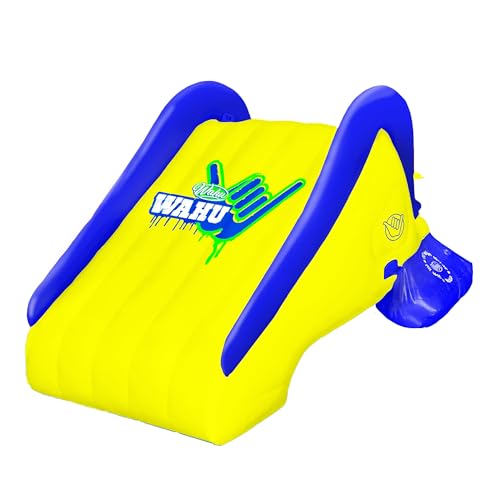
An inflatable water slide that goes into pool is a heavy-duty inflatable play structure with a climbing wall, a slick slide chute, and an exit that terminates at or over the edge of a swimming pool. Instead of ending in a built-in splash basin, the slide's runout directs riders into the pool water. Many models use a continuous water feed — a garden hose connection at the top — that keeps the slide surface wet and, in some designs, recycles water back into the pool.
These slides come in two broad configurations: above-ground pool models that clip onto or rest over the pool's top rail, and inground pool models that sit on a deck or pool surround and cantilever the exit over the water. If you have an above-ground pool, look specifically for a model rated for your wall height. If your pool is inground, prioritize a slide with a deck-mount or freestanding base and a generous exit overhang.
Key Buying Factors to Evaluate Before You Commit
The right slide is the one that fits your pool, your yard, and your riders. Work through each factor below in order — getting the footprint and pool compatibility right first will save you from returns and safety compromises later.
1. Pool Compatibility and Exit Height
Measure your pool wall height (for above-ground pools) or your deck-to-water distance (for inground pools) before shopping. The slide's exit lip must clear the pool edge with enough overhang that riders land in the water, not on the rail. Above-ground models typically specify a compatible wall height range; inground models need a deck surface that can support the base. If you are still comparing pool types, our guide to an inflatable above-ground pool with filter covers how filtration and wall height interact with slide placement.
2. Footprint, Clearance, and Yard Layout
A residential pool-integrated slide generally needs a flat setup area roughly 15–25 feet long and 10–15 feet wide, plus at least 3 feet of clearance on all sides. Leave extra room behind the climbing wall for safe mounting and dismounting. Check the manufacturer's stated footprint and add a buffer for stakes, blower hose, and hose routing. If your yard is tight, a compact slide designed for smaller pools may be the better fit than a full-size unit.
3. Slide Height and Rider Age Range
Slide height drives both fun and safety. Lower slides (around 5–7 feet) suit younger children and smaller pools; taller slides (8–12 feet) deliver more speed and are generally rated for older kids and adults. Match the slide's age recommendation and per-rider weight limit to your household. For dedicated age-specific options, see our guides to an inflatable water slide for 12-year-olds and inflatable water slides for 10-year-olds.
4. Materials and Construction Quality
Look for commercial-grade PVC or heavy-duty laminated vinyl with reinforced seams at stress points — the climbing wall, the slide exit, and all anchor loops. Double-stitched or heat-welded seams outperform single-stitched construction over multiple seasons. A UV-resistant coating extends lifespan in sunny climates, and a puncture-resistant base panel protects against rough ground. Entry-level units often use lighter vinyl; mid-range and high-end tiers step up to thicker gauge material and reinforced anchor patches.
5. Anchoring and Stability Systems
Every pool-integrated slide should anchor in at least two ways: ground stakes at the base and tethers or straps to a stable structure. For above-ground pools, some models include pool-frame straps that secure the slide to the pool's top rail. Never rely on ground stakes alone on a deck or hard surface — use sandbags or weighted anchor bags in those settings. Confirm the anchoring kit is included rather than sold separately.
6. Water Feed and Recirculation
Most slides connect to a standard garden hose at the top of the chute. Some designs include a recirculation feature that draws water from the pool and feeds it back to the slide, reducing waste and keeping the surface consistently slick. If water conservation matters in your area, prioritize a recirculating model. Our overview of an inflatable water slide that recycles water explains how these systems work in practice.
Feature Priorities at a Glance
Reinforced Climbing Wall
Integrated safety handles and textured foot pockets make mounting easier for younger riders and reduce slips at the top.
Non-Slip Slide Surface
A consistently wet, smooth chute with a raised safety bumper at the exit keeps riders centered and prevents overshoot.
Dual Anchoring
Ground stakes plus pool-frame tethers or sandbag weights provide stability across grass, deck, and patio surfaces.
UV-Resistant Coating
Protects the vinyl from sun damage and color fading, extending usable seasons in hot climates.
Recirculating Water Feed
Draws pool water back to the slide top, keeping the chute wet while reducing hose water waste.
Clear Rider Limits
Per-rider weight and simultaneous-user limits printed on the structure help enforce safe play at a glance.
Comparing Market Tiers: What Changes as You Move Up
Pool-integrated water slides fall into three broad market tiers. Understanding what each tier delivers helps you match the product to your intended use — occasional family fun versus frequent, multi-rider sessions.
| Tier | Best For | Typical Construction | Anchoring |
|---|---|---|---|
| Entry-level | Occasional use, younger children, smaller pools | Lighter-gauge vinyl, single-stitched seams | Ground stakes |
| Mid-range | Regular family use, mixed ages | Thicker laminated vinyl, reinforced stress points | Stakes plus pool-frame tethers |
| High-end tier | Frequent use, older kids and adults, larger pools | Commercial-grade PVC, heat-welded seams, UV coating | Multi-point anchoring with sandbag compatibility |
Mid-range models generally offer a better balance of durability and setup convenience than entry-level units, while high-end and commercial-grade slides are built for repeated sessions and larger rider weights. If your household includes adults who want to ride, explore dedicated inflatable water slide for adults options and confirm the per-rider weight rating before purchase.
Setup, Safety, and Maintenance Essentials
Setup Checklist
- Choose a flat surface free of sharp objects, roots, and debris; use a ground tarp if the manufacturer recommends one.
- Unroll the slide and confirm the exit lip overhangs the pool water by the distance specified in the manual.
- Inflate in stages using a dedicated electric inflator rated for the slide's chamber count and valve type.
- Install all ground stakes at a 45-degree angle away from the slide, then attach pool-frame tethers or sandbags.
- Connect the garden hose to the top feed and wet the chute fully before the first rider.
- Walk the entire structure checking seams, anchor loops, and the exit bumper before use.
Safety Rules That Matter
Supervise children at all times, enforce one rider at a time unless the manufacturer permits otherwise, and respect the posted weight limit. Keep the pool's own safety rules in force — no diving from the slide, no riding head-first, and no jewelry or loose items on the chute. Check the slide's inflation pressure before each session; under-inflated chambers compromise stability. For households with very young riders, pair the slide with age-appropriate pool gear such as an infant pool float with canopy and keep toddlers in the shallow end under direct adult supervision.
Maintenance and Storage
After each use, rinse the slide with fresh water and allow it to dry completely before deflating — trapped moisture causes mildew and seam degradation. Store folded and dry in a cool, shaded area away from rodents. Inspect seams and anchor patches at the start of each season, and patch minor punctures promptly with the manufacturer's repair kit. Proper drying and storage is the single biggest factor in extending the slide's usable life.
Above-Ground vs. Inground Pool Considerations
Above-ground pool owners should prioritize slides with pool-frame straps, an exit height matched to the wall, and a base that sits on solid ground rather than the pool's top rail. Our guide to an inflatable water slide for above-ground pool setups covers the specific clearance and anchoring details. Inground pool owners have more flexibility in base placement — a deck-mounted or freestanding slide with a long exit overhang works well, and our inflatable water slide for inground pool guide addresses deck surface and overhang considerations.
If your pool is on the larger side, a slide with a taller chute and a longer runout will feel more proportionate and deliver a better ride. If you are still evaluating pool options, our overview of an inflatable above-ground pool for adults discusses how pool dimensions and wall construction affect slide compatibility.
Frequently Asked Questions
Can an inflatable water slide be used with an above-ground pool?
Yes, many slides are purpose-built for above-ground pools with pool-frame straps and an exit height matched to standard wall heights. Confirm the slide's compatible wall height range and that the anchoring kit fits your pool's top rail before purchasing.
How much space do I need for an inflatable water slide that goes into a pool?
Plan for roughly 15–25 feet of length and 10–15 feet of width, plus at least 3 feet of clearance on all sides and extra room behind the climbing wall. Always check the manufacturer's stated footprint and add a safety buffer.
How long does setup and takedown take?
Setup typically takes 20–45 minutes with an electric inflator, including anchoring and wetting the chute. Takedown and full drying take 30–60 minutes. Commercial-grade units take longer and often need two adults.
What safety features should I look for?
Prioritize reinforced climbing walls with handles, a non-slip chute surface, a safety bumper at the exit, sturdy multi-point anchoring, and clear per-rider weight limits. Always supervise children and enforce one rider at a time unless the manual permits otherwise.
Do these slides work with saltwater pools?
Most vinyl and PVC inflatables are compatible with saltwater pools, but salt can accelerate wear on metal components like stakes and valves. Rinse the slide thoroughly with fresh water after each use in a saltwater pool and check the manufacturer's material notes.
Can adults use a pool-integrated inflatable water slide?
Some high-end and commercial-grade models are rated for adult riders. Check the per-rider weight limit carefully — many residential slides are rated for children only. If adults will ride regularly, choose a model explicitly rated for adult weight and confirm the pool's depth at the landing zone is sufficient.