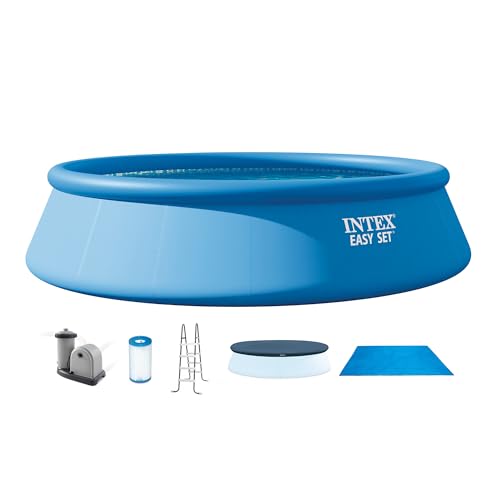
Inflatable Above Ground Pool With Filter: The Complete Guide to Backyard Water Fun
Everything you need to know before choosing an inflatable pool with a built-in filtration system — from filter types and setup requirements to maintenance routines and safety considerations. Make a confident, informed decision for your family's backyard oasis.
Explore Recommended ModelsWhy an Inflatable Above Ground Pool With Filter Makes Sense
An inflatable above ground pool with a filter combines the convenience of quick setup with the hygiene benefits of continuous water circulation. Unlike basic blow-up pools that require draining and refilling after every use, a filtered inflatable pool keeps water cleaner for longer — reducing waste, saving effort, and making spontaneous swim sessions far more practical.
These pools sit in a unique position in the market. They are more capable than simple splash pools but far less demanding to install than rigid above ground pools. For families who want reliable backyard recreation without permanent construction, a filtered inflatable pool represents a balanced tier solution — feature-rich for its class and efficient in the long run.
If you are still exploring broader options for backyard water play, you may also want to compare this category against inflatable above ground pools for adults or review hard plastic kiddie pools with drain plugs for smaller-scale alternatives.
How the Filtration System Works
A filter cartridge or sand filter unit draws water from the pool, passes it through a filtration medium, and returns clean water to the pool. This continuous cycle removes debris, insects, and fine particles that would otherwise cloud the water within hours.
Most inflatable pools with filters use one of two systems:
- Cartridge filter systems — compact, easy to replace, and common on entry-level and mid-range inflatable pools. Cartridges are swapped out when saturated.
- Sand filter systems — found on premium and high-end tier inflatable pools, these use silica sand as the filtration medium. They require less frequent media replacement but involve a slightly more involved initial setup.
Understanding the filter type is critical because it directly affects maintenance frequency, water clarity, and long-term ownership effort. A pool with an undersized filter relative to its water volume will struggle to keep up during heavy use.
Key Factors When Choosing Your Pool
1. Water Capacity and Filter Flow Rate
The filter's flow rate must match the pool's water volume. As a rule of thumb, the filter should be able to circulate the entire water volume at least once every 12 hours. Undersized filters lead to cloudy water and algae growth; oversized filters are inefficient and unnecessary for small pools.
2. Wall Construction and Durability
Look for pools with reinforced multi-layer PVC walls. Entry-level models often use single-layer vinyl, which is more prone to punctures. Mid-range and premium inflatable pools typically feature laminated PVC with polyester mesh reinforcement — a construction that resists UV degradation and abrasion far better.
The floor material matters too. A pool with a separate ground cloth and a durable floor layer will last longer and feel more comfortable underfoot.
3. Safety Features
Check for safety valves, locking caps on inflation ports, and clearly marked water depth lines. Some premium models include a built-in drain valve that connects directly to a garden hose for controlled emptying. Always supervise children regardless of pool depth — even shallow inflatable pools pose drowning risks.
4. Setup Requirements
Inflatable pools with filters require a level, firm surface and access to electricity for the pump. A slightly uneven ground can stress seams and lead to premature failure. Plan for a dedicated outdoor power outlet or a weatherproof extension cord rated for outdoor use.
5. Maintenance Commitment
Filtered inflatable pools demand regular attention: checking and replacing cartridges, skimming surface debris, and monitoring water chemistry. Families who prefer minimal upkeep may find that a smaller pool with a simple cartridge filter is sufficient. Those wanting a more hands-off experience should look toward a top-tier model with a sand filter and larger water capacity.
For related outdoor play considerations, you might also explore our guides on inflatable water slides for above ground pools and inflatable lazy rivers to round out your backyard setup.
Market Tiers at a Glance
Inflatable above ground pools with filters fall into three broad tiers. Understanding what each tier offers helps you align your expectations with reality.
| Tier | Typical Characteristics | Best For |
|---|---|---|
| Entry-level | Single-layer or lightly reinforced PVC, cartridge filter, smaller water capacity, basic inflation valves | Occasional use, smaller children, first-time pool owners |
| Mid-range | Reinforced multi-layer walls, upgraded cartridge or compact sand filter, better drain systems, UV-resistant coating | Regular family use, backyard recreation, moderate maintenance tolerance |
| Premium / high-end tier | Heavy-duty laminated PVC, powerful sand filter, integrated flow control, reinforced floor, commercial-grade valves | Frequent use, larger families, those who want a long-term investment |
When comparing across tiers, remember that a mid-range model typically offers a noticeably smoother ownership experience than an entry-level one — better seams, more reliable valves, and a filter that keeps up with regular use. The premium tier adds durability and convenience that pay off over multiple seasons.
Maintenance Routine for Filtered Inflatable Pools
A consistent maintenance rhythm is the difference between crystal-clear water and a murky disappointment. Here is a practical schedule:
- Daily: Skim surface debris with a hand net. Check that the filter is running.
- Weekly: Inspect and clean or replace the filter cartridge. Test water pH and chlorine levels if using chemical treatment.
- Bi-weekly: Scrub the pool walls and floor with a soft brush. Check seams and valves for wear.
- Seasonal: Deep-clean the pool, inspect the filter housing for cracks, and store the pool dry and folded when not in use.
Proper storage during off-season months dramatically extends the pool's usable life. Always dry the pool completely before folding to prevent mold and mildew growth in the seams.
Safety Considerations You Should Not Ignore
Inflatable pools are not exempt from water safety rules. Even a shallow pool with a filter can be hazardous to unsupervised toddlers. Key precautions include:
- Never leave children unattended in or near the pool, regardless of depth.
- Remove access ladders or steps when the pool is not in use.
- Keep the filter pump's electrical connection away from water and use a GFCI-protected outlet.
- Drain and store the pool if it will be unused for an extended period — stagnant water is a breeding ground for insects and bacteria.
For families with very young children, pair your pool with appropriate supervision aids and consider complementary outdoor play equipment such as an indoor jumpy house for rainy-day activity alternatives.
Making Your Final Decision
An inflatable above ground pool with a filter is a practical, family-friendly investment when chosen with care. Focus on three things: filter capacity relative to water volume, wall reinforcement quality, and the realism of your maintenance commitment. If you can answer those three questions confidently, you are ready to select a model that will serve your family well for seasons to come.
If you are also considering complementary backyard upgrades, browse our guides on inflatable water slides for inground pools and inflatable double slip and slides with pools to create a complete outdoor recreation space.