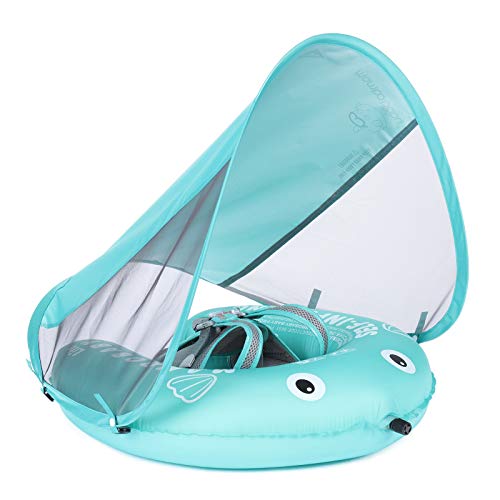
Infant Pool Float With Canopy: The Complete Buying and Safety Guide
Give your baby a comfortable, shaded first taste of water play. This guide explains canopy float features, safety essentials, sizing, and how to pick the right model for your little one.
Explore Top PicksAn infant pool float with canopy combines buoyancy support with built-in sun protection, making it a popular choice for families introducing babies to water. Whether you are planning a backyard pool day, a beach holiday, or simply a splash in a kiddie pool, the right float can keep your baby comfortable and shaded. This guide walks you through the key features to look for, the safety rules that matter most, and the different product tiers available so you can make an informed decision before you buy.
Why Choose an Infant Float With a Canopy?
A canopy float serves two purposes at once: it helps your baby float comfortably and it shields delicate skin from direct sunlight. For parents who spend time outdoors near water, this combination reduces the need for constant repositioning of a separate sunshade. Beyond sun protection, canopy floats often include a secure seat, leg openings, and a low centre of gravity that helps the baby stay upright. If you are still exploring general options, our broader guide to an infant float covers the fundamentals of buoyancy support and safety.
☀️ Built-In Shade
An attached canopy blocks direct sunlight, helping to protect your baby's skin and eyes during outdoor water play.
🛟 Supportive Seat
Many models feature a fabric or inflatable seat that cradles the baby and encourages a comfortable, upright posture.
🎈 Stable Buoyancy
Wide, low-profile bases are designed to reduce tipping and keep the float steady as your baby splashes.
🧳 Easy to Pack
Most inflatable canopy floats deflate flat for travel, fitting neatly into a beach bag or suitcase.
Key Features to Evaluate Before You Buy
Not all canopy floats are built the same way. The details below separate a float that merely looks cute from one that genuinely supports your baby's comfort and safety. Use these points as a checklist when comparing models.
- Canopy adjustability: Look for a canopy that tilts or rotates so you can angle the shade as the sun moves. A removable canopy adds versatility for indoor or shaded use.
- Seat construction: Fabric seats tend to feel softer against the skin and offer more enveloping support, while molded inflatable seats are easier to wipe clean.
- Leg openings: Reinforced, rounded leg holes help prevent chafing and keep your baby secure without restricting movement.
- Valve quality: Durable, double-sealed valves reduce the risk of slow leaks and make inflation and deflation faster.
- Material safety: Choose floats made from phthalate-free, non-toxic PVC or TPU. Our non-toxic toy guide explains what to look for in material safety labels.
- Weight and age rating: Always match the float to your baby's weight and developmental stage. A float rated for a 3-month-old is not suitable for a walking toddler.
Product Tiers at a Glance
Canopy floats generally fall into three broad tiers. Rather than focusing on numbers, think about how each tier balances features, materials, and long-term usability. The table below summarises what you can expect from each level.
| Tier | Best For | Typical Features | Durability Notes |
|---|---|---|---|
| Entry-Level | Occasional use, first-time buyers, travel | Basic canopy, single inflatable ring, simple seat | Lighter materials; suitable for short, supervised sessions |
| Mid-Range | Regular family pool days, growing babies | Adjustable canopy, fabric seat, reinforced valves, wider base | Thicker PVC, better seam construction, good value for its tier |
| Premium | Frequent water play, multi-season use, gifting | Removable canopy, ergonomic seat, anti-tip design, premium materials | Heavy-duty construction, long-term investment for active families |
Safety Rules Every Parent Should Know
An infant pool float with canopy is a play aid, not a life-saving device. It does not replace adult supervision. Keep your baby within arm's reach at all times, and never leave a baby unattended in or near water—even for a moment.
Beyond supervision, a few practical habits make water play safer for everyone. Inflate the float fully according to the manufacturer's instructions and check for leaks before each use. Test the float in shallow water first to confirm it stays stable with your baby's weight. Avoid using the float in rough water, strong currents, or areas with sharp objects. After each session, rinse the float with fresh water and let it dry completely to prevent mould and material degradation. For a deeper look at safety labelling, see our toy safety guide.
Sizing and Fit: Getting It Right
A float that is too large can let your baby slip down, while one that is too small can feel restrictive and uncomfortable. Check the weight range stated by the manufacturer and match it to your baby's current weight, not their age alone. For younger babies who are still developing head and neck control, a fabric-seat canopy float with a higher back provides more support. Older babies who can sit confidently may prefer a full-ring design with more freedom to splash. If your baby is around the three-month mark, our guide to the infant pool float with canopy for 3 months offers stage-specific advice.
Care and Maintenance Tips
Proper care extends the life of your canopy float and keeps it hygienic for your baby. Rinse after every use, especially if you have been in chlorinated or salt water. Use a mild soap and a soft cloth for stubborn marks, then rinse thoroughly. Dry the float completely—inside and out—before folding it away. Store it out of direct sunlight when not in use, as prolonged UV exposure can weaken the material over time. If you notice cracking, peeling, or a valve that no longer seals, retire the float rather than attempting a repair. For general maintenance habits, our article on how to sanitize baby toys is a useful companion read.
Frequently Asked Questions
What age is an infant pool float with canopy suitable for?
Most models are designed for babies from around 3 months up to roughly 2 years, depending on weight and developmental guidelines. Always check the manufacturer's age and weight recommendations on the packaging.
Does a canopy float replace adult supervision?
No. A canopy float is a play accessory, not a safety or life-saving device. An adult must stay within arm's reach of the baby at all times while the float is in use.
How do I choose between a fabric-seat and a full-ring infant float?
Fabric-seat floats offer more support for younger babies who are still developing head and neck control. Full-ring inflatable floats suit older babies who can sit upright confidently. Consider your baby's development and comfort when deciding.
Can the canopy be removed?
Many canopy floats feature a detachable or adjustable canopy so you can use the float with or without shade. Check product descriptions to confirm whether the canopy is removable.
How should I clean and store the float?
Rinse with fresh water after each use, wipe with mild soap if needed, and dry completely before storing. Keep the float out of direct sunlight when not in use to protect the material.
Final Thoughts
Choosing an infant pool float with canopy comes down to three priorities: a secure, comfortable seat for your baby; a canopy that genuinely blocks the sun; and a build quality that matches how often you plan to use it. Match the tier to your lifestyle—entry-level for occasional travel, mid-range for regular family pool days, and premium for frequent, multi-season water play. Whichever you choose, pair it with constant adult supervision and a careful pre-use check, and your baby can enjoy shaded, supported splashing all summer long.