Fun Educational Games for 9 Year Olds: Learning Through Play
Nine is a pivotal age for curiosity and skill-building. Discover games that blend fun with real learning—from strategy board games to hands-on STEM kits—so your child stays engaged, challenged, and excited to learn.
EXPLORE TOP PICKS🎯 Why Educational Games Matter at Age Nine: At nine, children are developing critical thinking, reading fluency, and social awareness. The right games reinforce these skills without feeling like homework. Whether your child loves building, solving puzzles, or competing in strategy games, the options below are designed to make learning feel like play. Every recommendation emphasizes engagement, developmental value, and lasting appeal.
Types of Educational Games That Work for 9 Year Olds
Board & Card Games
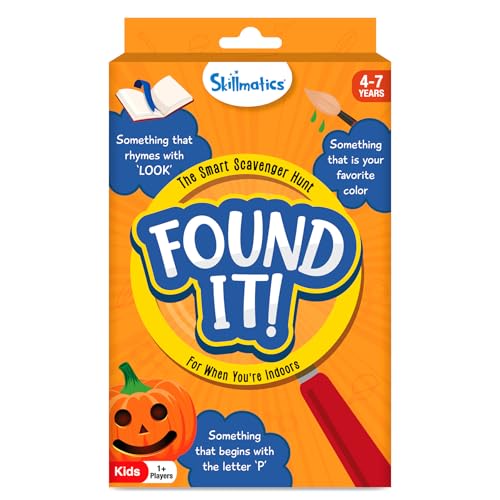
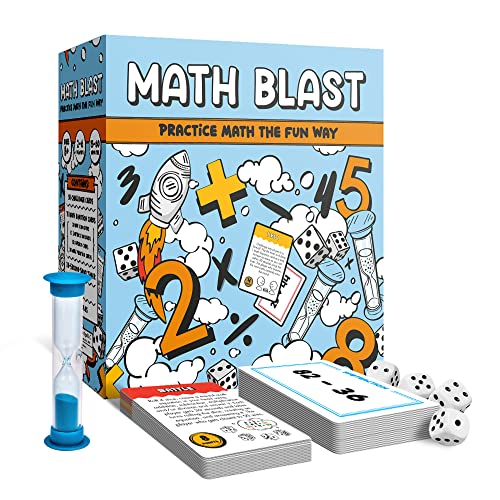
Strategy, vocabulary, and math games teach turn-taking, patience, and critical thinking. Look for games that require planning and resource management—they build executive function skills naturally.
STEM & Science Kits
Hands-on experiments, robotics, and coding games turn abstract concepts into tangible discoveries. These kits encourage trial-and-error learning and persistence.
Digital & Interactive Games
Well-designed apps and tablet games can reinforce math, language, and problem-solving. The key is choosing games that adapt to your child's level and require active thinking.
Top Educational Game Picks by Learning Goal
🧩 Strategy & Critical Thinking
Games like chess variants, logic puzzles, and resource-management board games teach planning ahead, evaluating options, and learning from mistakes. These are essential skills for academic success and daily decision-making.
🔬 STEM & Problem-Solving
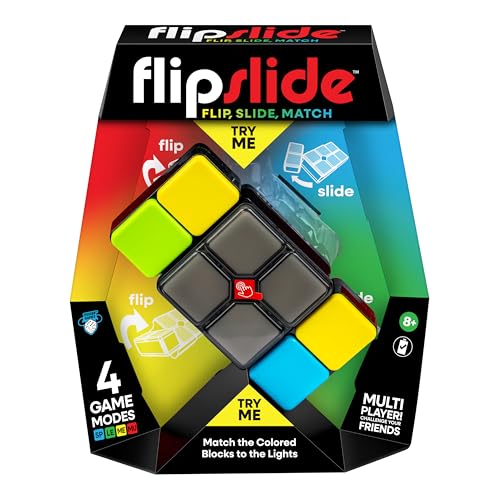
Building sets with motors, simple coding games, and science experiment kits encourage curiosity and resilience. Nine-year-olds thrive when they can see cause and effect in action—these games deliver that instant feedback.
📚 Language & Literacy
Word games, storytelling card games, and reading-based board games expand vocabulary and comprehension. They also build confidence in expressing ideas and listening to others.
🤝 Social & Cooperative Play
Cooperative board games and team-based challenges teach empathy, communication, and compromise. These are invaluable for building friendships and working effectively in groups.
Quick Comparison: Matching Games to Learning Goals
| Game Category | Best For | Market Tier |
|---|---|---|
| Strategy Board Games | Critical thinking & planning | Mid-tier to top-tier |
| STEM Building Kits | Problem-solving & persistence | Essential tier to premium |
| Word & Literacy Games | Vocabulary & comprehension | Essential tier |
| Cooperative Games | Teamwork & empathy | Balanced tier |
| Digital Learning Apps | Adaptive skill practice | Starter tier to premium |
Explore More Toys & Guides by Age
Looking for more ways to support your nine-year-old's development? These expert guides cover related topics:
Frequently Asked Questions
What makes a game educational for a 9 year old?
A game is educational for a 9 year old when it challenges problem-solving, strategic thinking, creativity, or core academic skills like math and language, while remaining engaging and developmentally appropriate for their age.
How do I choose the right educational game for my 9 year old?
Consider your child's interests, whether they prefer solo or group play, and the skills you want to reinforce. Look for games with clear instructions, age-appropriate challenges, and positive reviews from parents and educators.
Are board games still educational for 9 year olds?
Absolutely. Board games teach strategy, turn-taking, patience, and social skills. Many board games also reinforce math, vocabulary, and critical thinking, making them excellent educational tools for 9 year olds.
How much screen time is appropriate for educational games?
Educational screen time should be balanced with physical play and social interaction. Experts generally suggest limiting recreational screen time, but high-quality educational games can be a valuable supplement when used purposefully—aim for short, focused sessions rather than long stretches.
💡 Final Tip for Parents: The best educational game is one your child actually wants to play. Involve your nine-year-old in choosing—their enthusiasm is the strongest indicator of long-term engagement. Rotate games regularly to keep novelty high, and play together when possible to reinforce learning through conversation.