Fidget Toys to Help With Skin Picking
If your hands reach for your skin before you even notice, a fidget toy can become a simple, gentle redirection. This guide explains how tactile fidgets work as a picking substitute, which types suit different sensory needs, and how to choose one that actually gets used.
What's Inside This Guide
Why Fidget Toys Help With Skin Picking
Skin picking often happens automatically. The hand moves toward a rough patch, a scab, or a bump before the conscious mind catches up. That automatic quality is exactly why a physical object can help: it interrupts the motion at the point where the hand would otherwise land on skin.
A good fidget gives your fingers something to do that is repetitive, satisfying, and harmless. Over time, the object becomes a cue — reaching for it becomes the new default instead of reaching for your skin. The same principle applies to many body-focused habits, and tactile tools are widely used as a low-pressure redirection aid.
Fidgets also address the sensory side of picking. Many people pick because the texture or the action feels regulating. A fidget that offers a similar tactile payoff — resistance, texture, a satisfying click — can meet that need without damaging skin.
How Redirection Actually Works
Redirection is not about willpower. It works best when the alternative is easier than the habit. That means the fidget should be within reach, comfortable to hold, and genuinely pleasant to use. If a tool is fiddly, noisy in the wrong setting, or simply boring, it will not survive the first week.
There are three practical principles worth remembering:
- Keep it accessible. A fidget in a drawer is not a fidget. Keep one in your pocket, at your desk, or beside the couch — wherever picking tends to happen.
- Match the sensory need. If you pick for texture, choose something textured. If you pick for movement, choose something that clicks, spins, or twists.
- Pair it with awareness. The toy works best when you notice the urge and deliberately swap. Over time the swap becomes faster and more automatic.
It also helps to understand your triggers. Many people pick in front of a mirror, during idle screen time, or when stressed. Placing a fidget at those exact locations — not just carrying one — makes the swap far more likely.
Best Fidget Types for Picking Urges
Different fidgets serve different sensory profiles. Below are the categories that tend to work best for people who pick, along with notes on who each one suits.
Tactile putty and clay
Putty is one of the closest substitutes for picking because it engages the fingertips directly. Kneading, stretching, and pressing give the hands a rich, sustained sensory task. It is quiet, portable, and easy to use in almost any setting. Look for putty that holds its shape and does not crumble easily. This is a strong first choice for texture-driven picking.
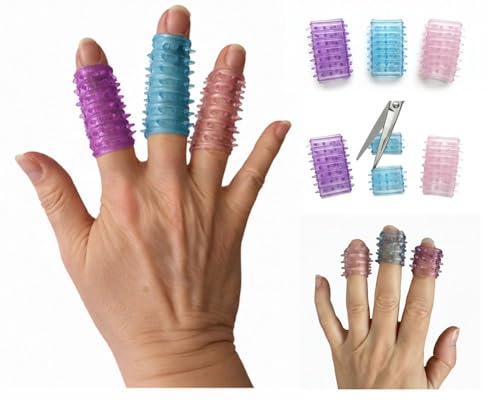
Textured balls and grip tools
Bumpy, spiky, or ridged balls offer friction and texture without the mess. They are excellent for people who pick to feel a surface under their fingers. Many come in different firmness levels, so you can choose a resistance that feels satisfying rather than uncomfortable.
Clickers and switch fidgets
Mechanical clickers satisfy the urge to do something repetitive and decisive. They are ideal for movement-driven pickers, but be mindful of noise in classrooms or quiet offices. Silent switch versions exist and are a good compromise for shared spaces.
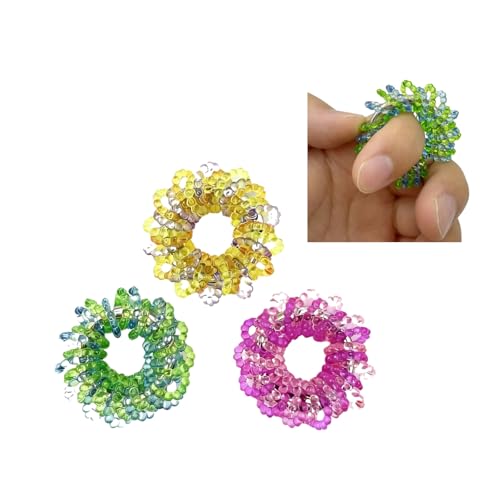
Twistable and bendable tools
Coiled or bendable fidgets keep both hands busy in a continuous, low-effort motion. They are excellent for fidgeting during conversation or screen time, when hands tend to wander toward the face. They are lightweight and easy to keep nearby.
Spinners and rotational fidgets
Spinners provide a steady rhythm that can be soothing during stressful moments. They work well as a focus anchor during meetings or study sessions. For picking specifically, they are most useful as a general hand-occupier rather than a direct texture substitute.
Wearable fidgets
Rings, bracelets, and necklaces with built-in fidget elements are useful because they are always on you. When the urge appears, the tool is already in place. This is a strong option for people who pick in public or in situations where carrying a loose object is inconvenient.
If you are exploring broader calming tools beyond picking-specific ones, our guide to fidget balls that stick to the ceiling covers a popular novelty option, and the fidget trading board guide explains how shared fidget systems work in classrooms and groups.
Tier Guide: Entry-Level to Premium
Rather than comparing by any specific figures, it helps to think about fidgets in tiers based on build quality and intended use. The right tier depends on how often you will use the tool and where.
| Tier | Category | Best For |
|---|---|---|
| Entry-level | Basic putty, simple textured balls, single-function clickers | Testing whether a fidget approach suits you; occasional use at home |
| Mid-range | Multi-texture tools, silent clickers, adjustable resistance putty | Daily use at a desk, in class, or during screen time |
| Premium | Wearable fidgets with durable construction, precision-machined switch tools, premium materials | Constant carry, public use, and long-term daily habit support |
In practice, an entry-level tool is often enough to find out whether tactile redirection works for you. If it does, a mid-range or premium option with better build quality tends to last longer and feel more satisfying in daily use. Premium wearables in particular are a long-term investment for people who need the tool on hand at all times.
Whatever tier you choose, prioritize durability and comfort over novelty. A solid build and a pleasant hand feel matter far more than extra features you will never use.
Choosing by Age and Setting
Fidget tools are used across a wide age range, but the right choice changes with age and environment.
Young children (ages 3–6)
Choose large, simple, well-sealed tools with no small parts. Putty should be in sealed containers and used under supervision. Textured balls and soft bendable tools are good starting points. Avoid anything with loose pieces that could become a choking hazard. For families exploring sensory tools more broadly, our fine motor skills toys for 5-year-olds guide covers hand-strengthening options that complement fidget use.
School-age children (ages 7–12)
Silent fidgets are especially valuable in classrooms. Clickers and spinners can be distracting to others, so quiet putty, textured grips, and wearable fidgets are usually better choices. It is worth checking with teachers about what is acceptable in class.
Teens and adults
Discretion often matters most here. Wearable fidgets, small putty tins, and premium switch tools that fit in a pocket work well for public and workplace use. Many adults prefer tools that look like everyday objects rather than obvious fidgets.
How to Make a Fidget Actually Work
Buying a fidget is the easy part. Making it a genuine habit takes a little planning. These steps help the tool earn its place in your daily routine.
- Identify your picking hotspots. Notice where and when you pick most often — the bathroom mirror, the desk, the couch. Put a fidget at each location.
- Start with one tool, not five. A single well-chosen fidget used consistently beats a collection that gets ignored.
- Practice the swap deliberately. For the first week, consciously replace the picking motion with the fidget whenever you notice it. The goal is to build the association.
- Keep it clean and ready. A sticky or broken fidget will not get used. Wash putty containers and replace worn-out tools.
- Be patient with yourself. Habit change is gradual. A fidget reduces opportunities for picking; it does not eliminate the urge overnight.
If picking is frequent or distressing, combine the fidget habit with professional support. A therapist familiar with body-focused repetitive behaviors can help you build a broader strategy, and the fidget becomes one practical tool within it.
Frequently Asked Questions
What fidget toys are best for skin picking?
The most effective options are tactile fidgets that keep both hands busy — putty, textured balls, clicker switches, and twistable tools. The goal is a satisfying, repetitive task that competes with the picking urge.
Can fidget toys really help with skin picking?
They are not a medical treatment, but they work well as a redirection tool. By giving the hands an alternative sensory focus, they can reduce automatic picking when used consistently alongside professional guidance.
Are fidget toys safe for children?
Yes, when chosen to match age and development. Avoid small parts for children under three, check for choking hazards, and supervise younger kids. Age labels on packaging are a reliable guide.
Which fidget is best for quiet settings?
Putty, textured grips, and silent switch tools are the best choices for classrooms, offices, and other quiet spaces. Avoid clickers and spinners where noise would be disruptive.
How many fidgets should I own?
Start with one. Once you know which type suits you, add a second option for a different setting — for example, a quiet tool for work and a more tactile one for home.
Give Your Hands a Better Job
A fidget toy will not solve skin picking on its own, but it can interrupt the automatic reach and give your fingers a calmer, safer outlet. Choose a tool that matches your sensory need, keep it within reach, and let the habit build gradually.
If you want to explore more calming and redirecting tools, our broader fidget ball guide and the fidget trading board overview are good next reads.