Fine Motor Skills Toys for 5 Year Olds: Building Dexterity Through Play
Your complete guide to choosing toys and activities that strengthen hand muscles, improve hand-eye coordination, and prepare your child for writing and daily independence—all through joyful play.
Explore Recommended ToysWhy Fine Motor Skills Matter at Age Five
At five years old, children are on the cusp of formal schooling. Their hands are growing stronger, their movements more precise, and their ability to focus on structured tasks is expanding rapidly. Fine motor skills—the coordinated efforts of small muscles in the fingers and hands working in sync with the eyes—are the foundation for writing, drawing, cutting, buttoning, zipping, and countless other daily tasks.
Research in child development consistently shows that fine motor competence at age five is a strong predictor of later academic success, particularly in literacy and mathematics. When a child can comfortably manipulate small objects, hold a pencil with control, and coordinate both hands for a task, they approach learning with confidence rather than frustration.
Key insight: Fine motor development doesn't happen through worksheets or drills. It happens through play—purposeful, engaging, hands-on play that children return to again and again because it's genuinely fun.
The toys and activities in this guide are selected to target the specific developmental milestones of five year olds. They build on the foundational skills acquired in earlier years while introducing new challenges that keep children motivated and progressing. Whether your child is a reluctant writer, a budding artist, or a future engineer, there's a fine motor toy here that will meet them where they are and help them grow.
Fine Motor Milestones at Age Five
Before choosing toys, it helps to understand what a typical five year old can do with their hands—and what they're working toward. While every child develops at their own pace, most five year olds are refining these skills:
Grasp & Release
Uses a mature tripod grasp on pencils and crayons. Can release small objects with precision and intention.
Hand-Eye Coordination
Threads beads, completes puzzles with small pieces, and catches a bounced ball with increasing accuracy.
Bilateral Coordination
Uses both hands together—one to hold, one to manipulate. Cuts with scissors and stabilizes paper with the helper hand.
Hand Strength
Squeezes, pinches, and twists with growing force. Can use clothespins, hole punches, and spray bottles.
In-Hand Manipulation
Rotates objects within the hand, shifts small items from palm to fingertips, and manipulates buttons and zippers.
Fine Control
Draws recognizable shapes, traces lines with accuracy, and begins forming letters with controlled strokes.
Toys that target these emerging abilities—without overwhelming or frustrating—are the sweet spot. The best fine motor toys for five year olds offer just enough challenge to keep engagement high while building competence step by step.
The Best Types of Fine Motor Toys for Five Year Olds
Not all fine motor toys are created equal. The most effective ones combine precise hand movements with cognitive engagement—problem-solving, creativity, or pretend play. Here are the categories that consistently deliver results:
1. Building and Construction Sets
Building toys are among the most versatile fine motor tools available. Connecting, stacking, and interlocking pieces require controlled finger movements and bilateral coordination. Five year olds are ready for smaller connectors and more complex builds than they could manage at three or four. Sets with pegs, gears, and snap-together pieces offer graduated challenges that grow with your child. Explore our guide to educational building toys for 5 year olds for specific recommendations.
2. Lacing, Threading, and Sewing Activities
Threading beads onto laces, weaving through lacing cards, and simple sewing projects directly target the pincer grasp and hand-eye coordination. These activities require sustained focus and patience—skills that pay dividends in school. Look for lacing sets with chunky beads for beginners and smaller beads as skills advance. Sewing kits with plastic needles and pre-punched holes are excellent for this age.
3. Art and Craft Tools
Crayons, markers, child-safe scissors, glue sticks, and clay are classic fine motor tools. Five year olds benefit from variety: thin markers strengthen the tripod grasp, scissors build bilateral coordination, and play dough develops hand strength through squeezing and rolling. Arts and crafts activities also encourage creativity and self-expression. Consider complementing these tools with educational toys for 5-6 year olds that integrate art with learning.
4. Manipulative and Fidget Toys
Toys that require twisting, turning, pinching, or squeezing build hand strength and dexterity. Pop-it fidgets, squishy balls, and putty are excellent for proprioceptive feedback and hand muscle development. These are particularly valuable for children who seek sensory input or have difficulty with grip strength.
5. Puzzles and Pegboards
Puzzles with small knobs and pegboards require precise grasp and release. As children manipulate pieces into place, they refine their pincer grip and spatial reasoning. Five year olds can handle puzzles with 30 to 100 pieces, depending on experience and interest. Pegboards with patterns add a cognitive layer that keeps engagement high.
6. Real-World Tools and Utensils
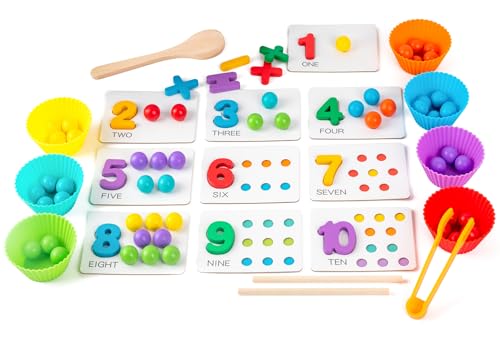
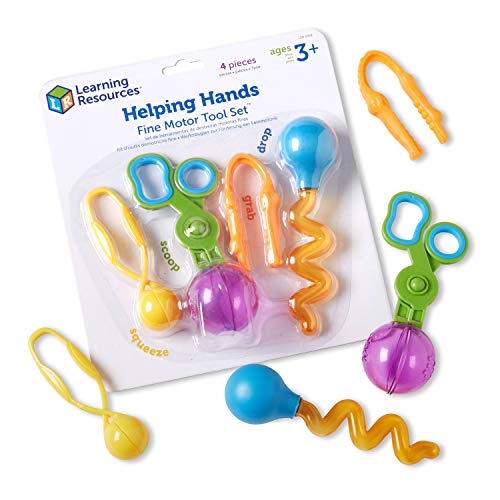
Child-safe versions of adult tools—tweezers, tongs, scoops, spray bottles, and screwdrivers—make fine motor practice feel purposeful. Using tweezers to sort small objects, tongs to transfer pom-poms, or a spray bottle to water plants builds strength and control through meaningful activity. These tools bridge the gap between play and real-world competence.
Pro tip: Rotate fine motor toys regularly. Keeping a fresh selection visible and accessible encourages spontaneous practice. A dedicated shelf or bin with two or three fine motor options at a time, rotated weekly, maintains novelty without overwhelming.
Comparing Fine Motor Toy Categories
Use this table to identify which toy categories best match your child's current abilities and interests. The "Tier" column indicates relative complexity and developmental demand, not product quality.
| Toy Category | Primary Skill Targeted | Tier | Best For |
|---|---|---|---|
| Lacing Cards & Beads | Pincer grasp, hand-eye coordination | Essential | Children building foundational precision |
| Building Sets with Connectors | Bilateral coordination, finger strength | Balanced | Children who enjoy construction and problem-solving |
| Child-Safe Scissors & Art Tools | Tripod grasp, hand strength, coordination | Essential | School readiness and creative expression |
| Pegboards & Pattern Puzzles | Precision grasp, spatial reasoning | Balanced | Children who like structured, goal-oriented play |
| Tweezers & Tongs Sets | Pincer strength, sustained control | Top-tier | Advanced practice and refining precision |
| Simple Sewing & Weaving Kits | In-hand manipulation, sequencing | Top-tier | Children ready for multi-step, focused projects |
Remember that "essential" does not mean basic or inferior—it means foundational. Every child benefits from the essential tier, and many will cycle back to these activities even as they advance. The top-tier activities are not better; they simply demand more developed skills and sustained attention.
How to Choose Fine Motor Toys for Your Five Year Old
Selecting the right toys requires balancing your child's current abilities, their interests, and the skills you want to encourage. Here's a practical framework:
Assess Current Abilities
Observe your child during everyday activities. Can they button their own clothing? Hold a pencil with a mature grasp? Cut along a straight line with scissors? Thread a bead onto a shoelace? These observations reveal which fine motor skills are solid and which need practice. Choose toys that target the emerging skills—the ones just beyond current comfort but not so far as to cause frustration.
Follow Their Interests
A child who loves animals will engage deeply with animal-themed lacing cards. A child fascinated by vehicles will spend long periods connecting train tracks or assembling car models. Fine motor practice only works if the child actually plays with the toy. Interest is the engine of repetition, and repetition is what builds skill.
Consider Attention Span
Some five year olds can focus on a single task for twenty minutes; others flit between activities every few minutes. For shorter attention spans, choose toys with quick, satisfying results—pop beads, magnetic tiles, or simple puzzles. For longer attention spans, sewing kits, complex building sets, and multi-step craft projects offer deep engagement.
Prioritize Safety and Durability
Five year olds still put things in their mouths occasionally, especially small parts. Check age recommendations and ensure any small components are securely attached. Look for toys made from non-toxic materials with smooth edges. Durability matters too—fine motor toys get heavy use, and flimsy construction leads to frustration and replacement.
Build in Progression
The best fine motor toy collections include a range of difficulties. Start with activities your child can complete successfully, then introduce slightly more challenging options as their skills grow. This scaffolding approach maintains motivation and ensures steady progress. Many building sets and lacing kits are designed with this progression in mind.
Integrating Fine Motor Play into Daily Life
Fine motor toys are most effective when they're part of a broader environment that encourages hand use. Here are practical ways to weave fine motor practice into everyday routines:
- Mealtime: Encourage your child to use utensils, open their own food containers, and pour their own drinks. These daily tasks build hand strength and coordination.
- Dressing: Allow extra time for your child to manage buttons, zippers, and snaps independently. This is fine motor practice disguised as routine.
- Craft corner: Keep a small bin of art supplies accessible—crayons, paper, child-safe scissors, glue sticks. Open-ended creative time is fine motor practice at its best.
- Kitchen helpers: Invite your child to stir, scoop, and sprinkle during meal preparation. Using tongs to transfer food items builds precision.
- Outdoor play: Digging, planting, and building with natural materials all engage the hands. Consider complementing indoor fine motor toys with fun outdoor toys for 5 year olds that encourage active hand use.
For children who need extra encouragement, consider pairing fine motor activities with broader educational toys for 5-6 year olds that naturally incorporate hand skills. The key is consistency—a little practice every day beats occasional intensive sessions.
Frequently Asked Questions
What are fine motor skills and why are they important for 5 year olds?
Fine motor skills involve the small muscles of the hands and fingers working together with the eyes. For 5 year olds, these skills are foundational for writing, drawing, self-care tasks like buttoning and zipping, and using utensils. Developing them early supports school readiness and daily independence.
How do I know if a toy is appropriate for my 5 year old's fine motor development?
Look for toys that require grasping, pinching, twisting, or precise hand movements. Toys with small parts, lacing activities, building sets with connectors, and art tools like child-safe scissors are excellent choices. Always check age recommendations on packaging and ensure small parts are not a choking hazard for younger siblings.
Can fine motor skills toys help with handwriting preparation?
Yes. Toys that strengthen the pincer grasp—such as tweezers, tongs, pegboards, and lacing cards—directly prepare the hand muscles used for holding a pencil. Activities like threading beads and using play dough also build hand endurance and control needed for handwriting.
How often should my 5 year old play with fine motor toys?
Daily play is ideal. Even 15 to 20 minutes of focused fine motor activity per day can make a noticeable difference. Rotate toys to keep engagement high and incorporate fine motor practice into everyday routines like meal prep, dressing, and craft time.