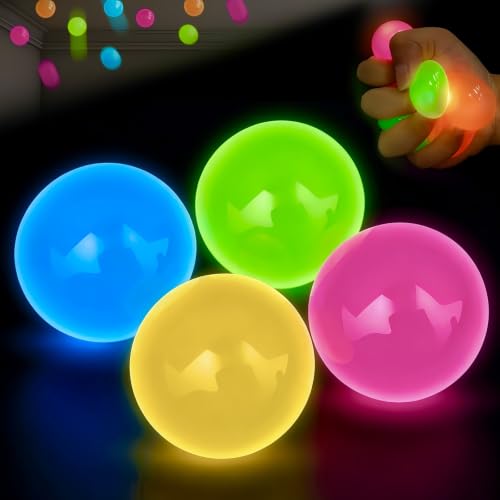
Fidget Balls That Stick to the Ceiling: The Complete Guide
Everything you need to know about sticky ceiling fidget balls — how they work, which types exist, safety considerations, and how to choose the right one for stress relief and sensory play.
Explore RecommendationsIf you have ever watched a stress ball fall straight to the floor and roll under the sofa, you already understand why fidget balls that stick to the ceiling have become such a popular alternative. Instead of disappearing from view, these specially formulated sticky balls cling briefly to smooth surfaces — walls, windows, whiteboards, and ceilings — before slowly peeling away and dropping back into your hand. That short, gravity-defying moment is exactly what makes them so satisfying to use.
This guide is written for anyone in the research phase: parents evaluating sensory toys, adults looking for a discreet desk fidget, or gift-buyers comparing options. We will cover the material science behind the stickiness, the different tiers available on the market, safety and age guidance, cleaning and maintenance, and the practical details that separate a well-made ball from one that loses its grip within a week.
Quick summary: Ceiling-sticking fidget balls are made from a soft, elastic polymer blend that creates temporary adhesion on smooth, non-porous surfaces. They are primarily used for stress relief, sensory regulation, and light active play. Quality varies significantly by tier — premium-tier balls use advanced silicone blends that retain tackiness far longer than entry-level options.
How Do Sticky Fidget Balls Actually Work?
The "stick" is not glue. Ceiling fidget balls rely on a combination of surface tension, mild tackiness, and air displacement. When the ball is pressed or thrown against a smooth surface, the soft material flattens slightly, pushing air out from between the ball and the wall. The tacky outer layer then forms a temporary bond that holds the ball in place. Over a few seconds, gravity and the ball's own elasticity cause the material to gradually peel away, and the ball falls.
This is why surface type matters so much. On a painted drywall ceiling or a glass window, the bond is reliable. On a textured popcorn ceiling, brick, or fabric, there is not enough continuous contact area for the adhesion to work. Understanding this mechanic helps set realistic expectations — these are fidget and sensory toys, not climbing gadgets.
Materials Commonly Used
- Thermoplastic elastomer (TPE): The most common material in mid-range and entry-level balls. Soft, stretchy, and reasonably tacky, but can pick up dust over time.
- Silicone blends: Found in premium-tier options. More durable, easier to clean, and retains tackiness longer. Often odor-free and skin-friendly.
- Rubber-based compounds: Denser feel, strong initial grip, but tends to degrade faster with repeated use and cleaning.
Types of Ceiling Fidget Balls Compared
Not all sticky balls are the same. The category breaks down into a few recognizable formats, each suited to a different user and use case. The table below compares them by tier and best-fit scenario — using relative market positioning rather than any numeric figures.
| Type | Market Tier | Best For | Key Trait |
|---|---|---|---|
| Classic sticky stress ball | Entry-level | Casual desk fidgeting, party favors | Soft feel, moderate tackiness |
| Wall-climber ball | Mid-range | Kids' sensory play, classroom rewards | Stronger grip, slower peel |
| Textured sensory ball | Mid-tier | Tactile feedback seekers, therapy use | Bumpy or dimpled surface |
| Premium silicone sticky ball | High-end tier | Daily adult use, long-term reliability | Durable, easy-clean, odor-free |
| Glow-in-the-dark ceiling ball | Balanced tier | Bedtime sensory play, novelty gifts | Phosphorescent coating |
| Jumbo sticky ball | Top-tier | Group play, larger hands, visual impact | Larger surface contact area |
In practice, the jump from entry-level to mid-range is where most users notice the biggest difference. Mid-range models typically offer a more consistent grip and a slower, more controlled peel, while high-end tier balls focus on longevity and cleanliness — they pick up less lint and recover their tackiness after washing more effectively.
Who Are These Toys For?
Ceiling fidget balls appeal to a surprisingly broad audience. Understanding the main user groups helps you match the toy to the person.
1. Children and Sensory Seekers
For kids who crave tactile and visual input, the throw-stick-peel-fall cycle is deeply engaging. The motion is predictable and repetitive, which many children find calming. These toys are often used in sensory bins, calm-down corners, and classroom reward systems. If your child enjoys other tactile fidgets, you may also find our guide to fidget toys that help with skin picking useful, as it covers related sensory regulation tools.
2. Adults at the Desk
Many adults use sticky balls as a quiet, screen-free micro-break. Tossing one at the ceiling for a few minutes between tasks provides a short mental reset without leaving the chair. Premium-tier silicone balls are the preferred choice here because they are less likely to leave residue or collect dust on office walls.
3. Gift Buyers
Because they are compact, universally understood, and visually fun, sticky fidget balls work well as stocking fillers, party bag items, and small thank-you gifts. If you are assembling a broader gift, our fidget trading board guide explains how fidget toys are often collected and traded, which can help you choose a set rather than a single ball.
Safety and Age Guidance
Safety deserves its own section because sticky balls are frequently marketed to families. The core points are straightforward:
- Age recommendation: Most ceiling fidget balls are labeled for ages 5 and up. Some smaller novelty versions are marked 3+, but always defer to the packaging.
- Choking risk: Small balls or balls that have been torn apart can present a choking hazard for children under 3 and for pets. Inspect regularly for tears.
- Material safety: Look for non-toxic, phthalate-free labeling. Premium-tier products typically publish material certifications; entry-level items vary widely.
- Surface caution: Do not throw sticky balls at textured ceilings, freshly painted walls, wallpaper, or near breakable objects. Test on a small hidden area first.
- Supervision: Young children should be supervised, especially when the ball is used near furniture or stairs.
Practical tip: Before first use, wash the ball with lukewarm water and mild soap, then let it air-dry. This removes manufacturing residue and improves initial tackiness. Avoid alcohol-based cleaners, which degrade the sticky layer.
Cleaning and Maintenance
Sticky toys attract dust — that is unavoidable. What matters is how easily the ball recovers after cleaning. Here is a simple routine that works for most materials:
- Rinse the ball under lukewarm water to remove loose debris.
- Add a drop of mild dish soap and gently knead the ball for a few seconds.
- Rinse thoroughly and pat dry with a lint-free cloth.
- Let it air-dry completely before storing.
- Store in a small sealed container or zip pouch to keep dust off the surface.
Balls that stop sticking usually just need this clean — tackiness often returns. If the surface has become shiny and slick even after washing, the material has likely degraded and it is time to replace it. High-end tier silicone balls generally survive far more cleaning cycles than entry-level TPE versions.
How to Choose the Right Sticky Fidget Ball
Use the following decision framework to narrow your options:
- Match the tier to frequency of use. Occasional novelty use suits entry-level balls; daily use justifies a premium-tier silicone model.
- Check the surface you plan to use it on. Smooth painted ceilings and glass work best; textured surfaces will disappoint.
- Consider hand size. Standard balls suit most adults and older children; jumbo versions are easier for smaller hands and group play.
- Look for easy-clean materials. Silicone blends resist lint and recover tackiness better after washing.
- Read the safety label. Confirm non-toxic materials and an age rating that matches the user.
- Think about the sensory profile. Textured balls offer more tactile feedback; smooth balls offer a cleaner peel sensation.
If the user in question is also interested in related active toys — for example, balls that return when thrown — you may find our overview of the flying ball toy that comes back to you a helpful companion read. Both categories share the appeal of a simple throw-and-catch loop, but they serve different sensory needs.
Frequently Asked Questions
What are fidget balls that stick to the ceiling?
They are stress relief toys made from a sticky, elastic material that adheres to smooth surfaces like walls and ceilings. When thrown, they stick briefly before slowly peeling off and falling back down, providing a satisfying tactile and visual experience.
Are ceiling fidget balls safe for children?
Most are safe for children aged 5 and above when used as directed. Always check age recommendations on packaging, ensure the material is non-toxic, and supervise younger children to prevent choking hazards. Never use them near breakable objects or on textured surfaces.
How do you clean fidget balls that stick to the ceiling?
Rinse them with lukewarm water and mild soap, then pat dry with a lint-free cloth. Avoid harsh chemicals or alcohol-based cleaners, which can damage the sticky surface. Store in a dust-free container when not in use.
What surfaces do sticky fidget balls work on?
They work best on smooth, non-porous surfaces such as painted walls, glass, tiles, whiteboards, and standard ceilings. They do not adhere well to textured surfaces, brick, fabric, or dirty surfaces. Always test on a small inconspicuous area first.
How long do ceiling fidget balls last?
With proper care and regular cleaning, a high-quality ceiling fidget ball can last several months to over a year. Entry-level options may wear out faster, while premium-tier balls made from advanced silicone blends tend to retain their stickiness longer. Proper storage significantly extends lifespan.
Ready to Find the Right Sticky Fidget Ball?
Browse our hand-picked selection of ceiling-sticking fidget balls below. Compare features, read the details, and choose the tier that matches how you plan to use it.
View Recommendations