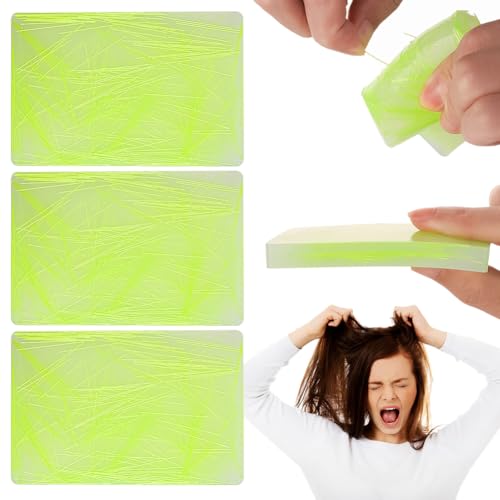
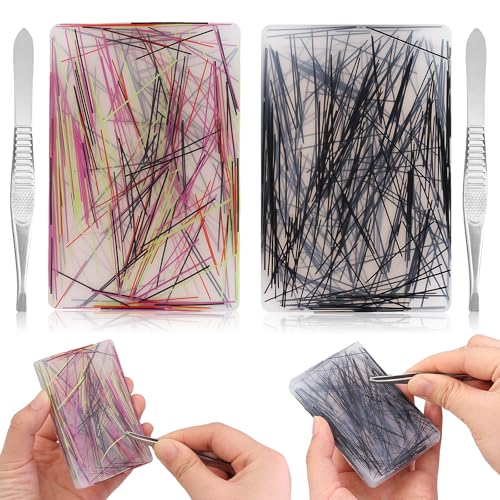
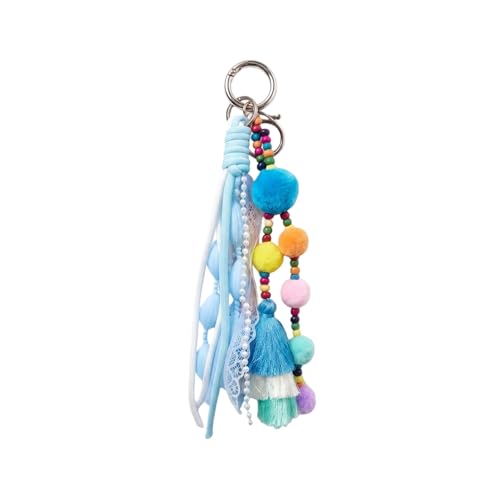
Why Fidget Toys Work for Hair Pulling
Fidget toys are more than just a trend; they are evidence-based sensory tools that can help manage trichotillomania by providing alternative tactile and proprioceptive input. When the urge to pull hair arises, redirecting that energy to a fidget toy can interrupt the habit loop. Many therapists recommend these tools as part of a comprehensive treatment plan.
For those seeking sensory toys for anxiety, fidgets offer a discreet and effective way to self-regulate. Whether you are at home, work, or school, having a reliable fidget can make a significant difference. Explore our curated selection of the best fidget toys for hair pulling below.
If you're also looking for calming tools for younger children, you might find our guides on sensory toys for infants and sensory play for toddlers helpful. For older kids, consider great gifts for 10-year-olds that include fidget and stress-relief options.
Top Fidget Toy Categories for Hair Pulling
🧶 Tangled Fidgets & Tangle Toys
These twistable, bendable toys provide continuous tactile feedback. The repetitive motion of twisting and turning can mimic the sensation of hair twisting, offering a satisfying alternative. Many users find tangle toys to be one of the most effective sensory fidgets for redirecting urges.
🌀 Spinner Rings & Fidget Spinners
Spinner rings are discreet and can be worn on your finger, making them perfect for on-the-go use. The smooth rotation provides a calming sensory input. Fidget spinners, while popular, offer a similar benefit with visual and tactile stimulation to keep hands occupied.
🧩 Textured & Squeezable Fidgets
Fidgets with different textures—bumpy, spiky, or soft—can satisfy the need for sensory exploration. Squeezable stress balls and putty can also help release pent-up tension, reducing the anxiety that often triggers hair pulling.
🔗 Chain & Link Fidgets
Bike chain fidgets and similar link-based toys offer a rhythmic, satisfying clicking sound and motion. They are durable and provide a more robust sensory experience, which can be particularly helpful during high-anxiety moments.
How to Choose the Right Fidget for You
Choosing the right fidget toy depends on your personal triggers and preferences. Some people prefer a soft, squishy texture, while others need the resistance of a stretchy toy. We recommend trying a few different types to see what feels most satisfying. Look for toys that are durable, easy to clean, and discreet enough for daily use. The best fidget toys for hair pulling are the ones you'll actually use consistently.
For many, the key is to have a variety of options. Keep one at your desk, one in your bag, and one by your bed. This ensures you always have a healthy outlet when the urge strikes. Many users also find that combining fidgets with other calming techniques, such as deep breathing, enhances their effectiveness.
Expert Tips for Using Fidget Toys
To get the most out of your fidget toys, it's important to use them mindfully. When you feel the urge to pull, intentionally pick up your fidget and focus on the sensation. Notice the texture, the sound, and the movement. This mindfulness can help break the automatic habit of hair pulling. Also, rotate your toys to keep the experience fresh and engaging.
For those who are new to using fidgets for trichotillomania, it can be helpful to track your triggers. Keep a journal to note when you feel the urge most strongly. This can help you identify patterns and choose the right fidget for each situation. Remember, these tools are not a cure but a powerful support mechanism. For a broader range of calming toys, see our guide on cool toys for 6-year-olds or STEM toys for 5-year-olds that also encourage focus.