Sensory Bins for 2-Year-Olds: A Parent's Guide to Playful Learning
Discover how sensory bins can transform your toddler's playtime into a rich developmental experience. From safe fillers to creative themes, find everything you need to get started.
SHOP SENSORY BINS →Why sensory bins for 2-year-olds? At this age, toddlers are naturally curious and learn best through hands-on exploration. Sensory bins provide a safe, contained environment for them to touch, pour, scoop, and discover – building fine motor skills, language, and cognitive abilities. Whether you're new to sensory play or looking for fresh ideas, this guide covers the benefits, best practices, and top-rated products to support your child's development.
Key Benefits of Sensory Bins for Toddlers
🧠 Cognitive Growth
Exploring textures, colors, and objects stimulates neural connections and problem-solving skills.
✋ Fine Motor Development
Scooping, pouring, and grasping small objects strengthens hand muscles needed for writing and self-care.
🗣️ Language & Vocabulary
Describe textures (smooth, rough, soft) and actions (pour, scoop, bury) to build your child's vocabulary.
😌 Calming & Focus
Repetitive sensory play can have a soothing effect, helping toddlers regulate emotions and focus.
Creative Sensory Bin Ideas for 2-Year-Olds
🌈 Rainbow Rice
Dyed rice in bright colors with scoops, cups, and small toys. Add small animal figures for extra fun.
🌊 Ocean Water Play
Blue water with sea creature toys, scoops, and strainers. Use a shallow container for safe splashing.
🧊 Frozen Treasure Hunt
Freeze small toys in ice cubes. Let your toddler explore melting and rescue the treasures.
🌿 Nature Exploration
Fill with dried leaves, pinecones, and safe natural items. Add magnifying glass for discovery.
🖐️ Play Dough Station
Soft, non-toxic dough with cookie cutters, rolling pins, and safe tools for squishing and shaping.
🔴 Construction Zone
Kinetic sand with toy trucks, scoops, and building blocks for imaginative play.
🛡️ Safety First: Sensory Bin Tips for 2-Year-Olds
- Supervision is essential – always watch your child during sensory play.
- Avoid choking hazards – use large objects and small parts only with close monitoring.
- Choose non-toxic materials – ensure all fillers and toys are safe for mouthing.
- Start simple – begin with dry fillers like rice or pasta before moving to water or slime.
- Clean up easily – use a play mat or tray to contain mess and make cleanup simple.
What to Look for in a Sensory Bin for 2-Year-Olds
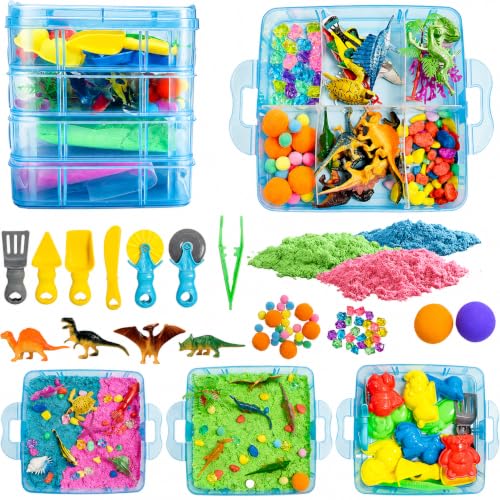
For a ready-made solution, consider a sensory bin set that includes a container, filler, and tools. Many sets are themed (e.g., ocean, farm, construction) and designed specifically for toddlers. If you prefer to DIY, you can find sensory toys and fillers separately. Either way, the key is to offer a variety of textures and opportunities for open-ended play.
💡 Pro Tip: Rotate the contents of your sensory bin every week to keep your toddler engaged. You can also involve them in the setup – let them choose which toys or fillers to add. This builds decision-making skills and makes the activity even more exciting!