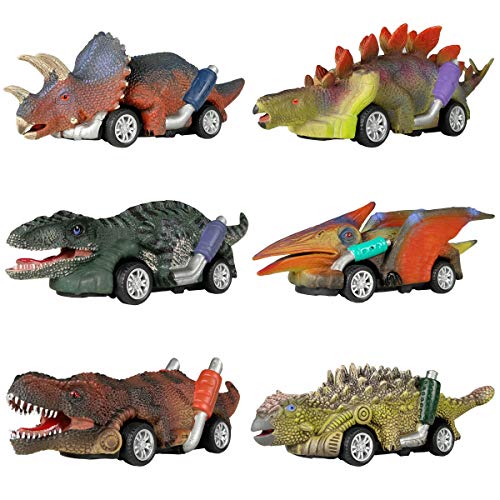
Children's Toy Car: The Complete Guide to Choosing the Perfect Ride
From first push-along cars to high-performance RC racers, discover how to pick a toy car that sparks joy, builds skills, and grows with your child.
Explore Top PicksWhy a Children's Toy Car Is More Than Just Play
A children's toy car is one of the most enduring and versatile toys a child can own. Long before a child can read or write, they are learning about motion, cause and effect, and spatial relationships through play. Toy cars offer a unique combination of physical activity, cognitive challenge, and imaginative freedom that few other toys can match.
Research in early childhood development consistently highlights that vehicle play supports fine motor skills (gripping, steering, pushing), gross motor skills (riding, pedaling, balancing), and hand-eye coordination. When children race cars, build tracks, or navigate obstacles, they are also practicing problem-solving and spatial reasoning — skills that translate directly to later academic success.
Beyond the developmental benefits, toy cars fuel imaginative play. A simple die-cast car can become a rescue vehicle, a race champion, or a family road-trip companion. This open-ended storytelling builds language skills, emotional regulation, and social understanding as children play alone or with peers.
Types of Children's Toy Cars Explained
Walking into a toy store — or scrolling an online marketplace — can be overwhelming. Here is a clear breakdown of the main categories so you can match the toy to your child's stage and interests.
1. Push-Along and Free-Roll Toy Cars
These are the simplest and often the first cars a toddler encounters. They require no batteries and are powered entirely by the child's hand. They are excellent for tummy time, crawling chases, and early pretend play. Many are made from durable wood or sturdy plastic and are sized for small hands.
2. Die-Cast Collectible Cars
Small, detailed metal cars that appeal to collectors and children alike. They are ideal for building collections, trading with friends, and creating miniature worlds. Many parents use them as rewards or travel toys because they are compact and durable.
3. Ride-On Toy Cars
These are the larger, sit-in vehicles that children can drive themselves. They come in three main power types:
- Push-powered ride-ons: Parent or child pushes with feet or a handle. Great for ages 1–3.
- Pedal-powered ride-ons: The child pedals to move. Builds leg strength and coordination. Best for ages 3–6.
- Battery-powered ride-ons: Electric motors with a steering wheel and pedal or button controls. Many include parental remote control for younger users. Best for ages 3–8, with supervision.
For a deeper look at electric options, explore our guide to children's battery-operated ride-on vehicles and child's ride-on cars.
4. Remote Control (RC) Toy Cars
RC cars introduce speed, precision, and technical tinkering. They range from simple entry-level models for young beginners to high-end hobby-grade kits for older children and teens. RC play develops reaction time, concentration, and an understanding of mechanics and electronics. If your child loves to build and customize, a build-your-own RC car kit can be a fantastic next step.
5. Toy Car Playsets and Tracks
Playsets combine cars with tracks, ramps, garages, and launch pads. They add a layer of engineering and experimentation to car play and are excellent for cooperative play between siblings and friends.
Age-by-Age Buying Guide
Choosing the right toy car for your child's age is the single most important decision you can make. Here is a practical, stage-by-stage guide.
| Age Range | Recommended Type | Key Developmental Focus | Supervision Level |
|---|---|---|---|
| 6–12 months | Soft, textured, or sensory cars | Grasping, tactile exploration, tracking | Constant |
| 12–24 months | Push-along and chunky free-roll cars | Fine motor skills, crawling, cause and effect | Close |
| 2–3 years | Small ride-ons, simple playsets, sturdy die-cast | Balance, pretend play, early coordination | Close |
| 3–5 years | Pedal ride-ons, parent-controlled electric cars | Leg strength, steering, spatial awareness | Moderate |
| 5–8 years | Battery-powered ride-ons, beginner RC cars | Independence, rule-following, reaction time | Moderate |
| 8–12 years | Advanced RC cars, build kits, hobby-grade models | Technical skills, patience, mechanical understanding | Periodic check-ins |
| 12+ years | Hobby-grade RC, custom builds, collectibles | Engineering, customization, long-term projects | Minimal |
💡 Expert Tip
Always check the manufacturer's age recommendation on the packaging. These labels are based on safety testing, small-parts regulations, and developmental appropriateness — not just marketing. A toy that is too advanced can be frustrating, while one that is too simple can be quickly abandoned.
Safety Features to Prioritize
Safety should never be an afterthought. When evaluating a children's toy car, look for these features:
- Parental remote control — essential for electric ride-ons used by children under 5. It lets you override speed and direction instantly.
- Seat belt or safety harness — a non-negotiable feature on any ride-on that moves under its own power.
- Soft-start technology — prevents sudden jolts by gradually accelerating when the child presses the pedal.
- Speed limiter — many quality ride-ons offer a low-speed mode for beginners.
- Non-toxic, BPA-free materials — especially important for toddlers who mouth toys.
- Sturdy, tip-resistant base — a wide wheelbase and low center of gravity reduce rollover risk.
- Smooth edges and no small detachable parts — critical for children under 3.
- Rechargeable batteries with automatic shut-off — prevents overheating and extends play time safely.
Always supervise young children during ride-on play, use the toy on flat, safe surfaces away from traffic, and store batteries and chargers out of reach. For more guidance, see our toy safety guide and choking hazard prevention resources.
Ride-On vs. RC vs. Push-Along: Which Is Right for Your Child?
Each category serves a different purpose. Here is a head-to-head comparison to help you decide.
| Feature | Push-Along | Ride-On (Electric) | RC Car |
|---|---|---|---|
| Best age range | 1–3 years | 3–8 years | 6+ years |
| Primary benefit | Motor skills, early pretend play | Gross motor skills, outdoor activity, independence | Reaction time, technical skills, concentration |
| Space needed | Minimal (indoor) | Moderate to large (outdoor) | Small to moderate (indoor or outdoor) |
| Parental involvement | Low | Moderate to high (remote control, supervision) | Low to moderate |
| Tier positioning | Essential tier | Balanced to premium tier | Starter to professional-grade tier |
| Durability focus | Solid build, non-toxic finish | Heavy-duty frame, weather-resistant coating | Reinforced chassis, high-grade components |
If you are looking for a first electric vehicle with parental control, explore children's electric jeeps with remote control or electric cars with rubber tires for smoother rides. For older kids ready to drive themselves, consider cars for 8-year-olds to drive or child's electric go-karts.
Expert Buying Tips Before You Decide
- Match the car to the child's stage, not their age alone. A tall 4-year-old may be ready for a larger ride-on, while a cautious 6-year-old may still prefer a simple push-along.
- Consider storage and charging logistics. Electric ride-ons need a safe charging spot and enough storage space. Measure your garage or shed before choosing a large model.
- Read the weight and height limits. Exceeding these limits compromises safety and performance. Most ride-ons list both in the product specifications.
- Look for replaceable parts. Tires, batteries, and remote controls that can be replaced extend the life of the toy significantly. For example, a charger for a 6-volt ride-on toy is a common and worthwhile replacement part.
- Prioritize solid build quality over flashy features. A heavy-duty frame and weather-resistant coating matter more than LED lights or sound effects. These are the features that determine whether the car survives seasons of play.
- Check for a smooth, responsive steering mechanism. Mid-range and premium models typically offer smoother steering and more precise control than entry-level options.
- Think about longevity. A convertible ride-on that transitions from parent-controlled to child-driven offers better long-term value than a single-mode model.
For more general advice on navigating toy choices without overspending, see our budget toy buying tips and buying guides.
Frequently Asked Questions
What age is appropriate for a children's toy car?
It depends on the type. Push-along and small die-cast cars suit toddlers from 12–18 months. Ride-on cars typically suit ages 1–3 for parent-controlled models and 3–8 for pedal or battery-powered versions. RC cars are best for ages 6 and up, while advanced hobby-grade RC kits suit older children and teens.
Are ride-on toy cars safe for young children?
Yes, when chosen and used correctly. Look for models with parental remote control, seat belts, soft-start technology, and speed limiters. Always supervise young children, use on flat safe surfaces, and follow the manufacturer's age and weight guidelines.
What are the developmental benefits of toy cars?
Toy cars support fine and gross motor skills, hand-eye coordination, spatial awareness, and imaginative play. Building and customizing RC cars also develops problem-solving, patience, and mechanical understanding.
How do I choose between a ride-on car and an RC car?
Choose a ride-on car for active outdoor fun and physical development in younger children. Choose an RC car for older kids who enjoy speed, control, and technical tinkering. Consider your child's age, interests, available play space, and supervision needs.