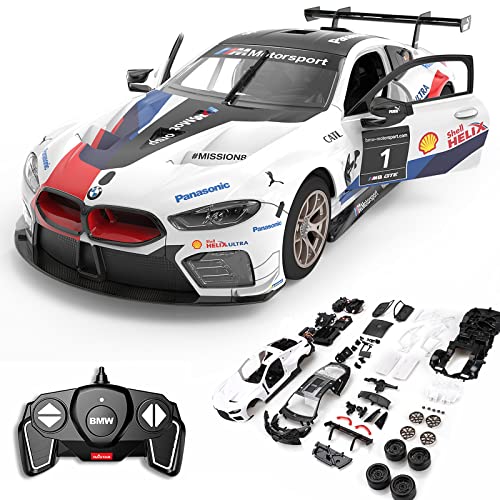
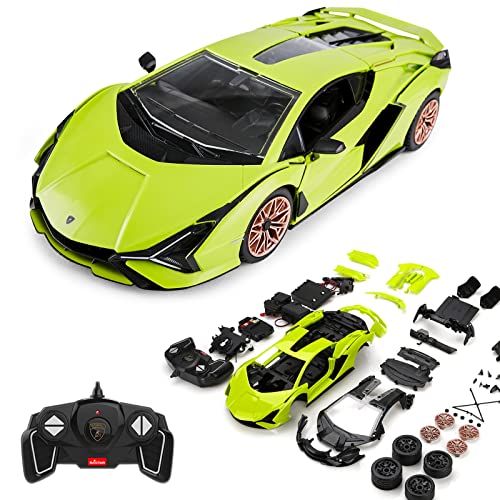
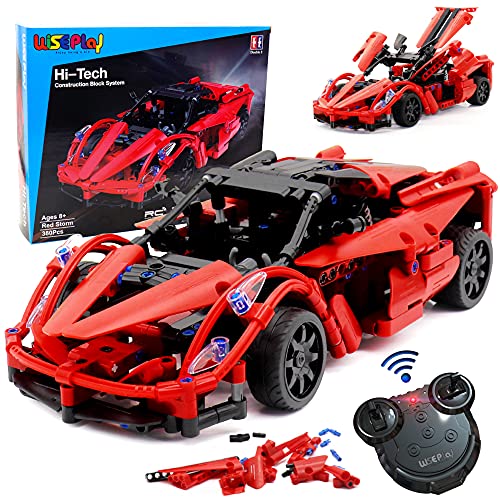
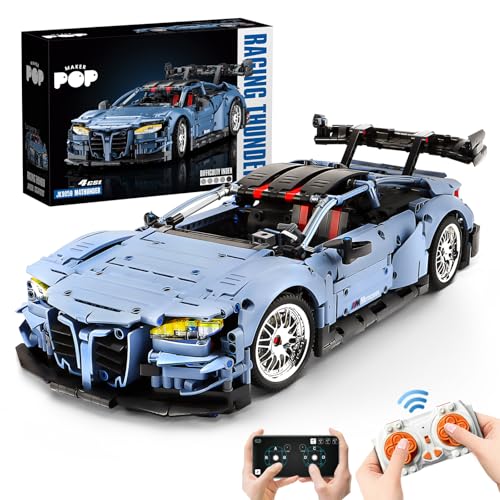
Build Your Own RC Car Kit for Adults: The Complete Buyer's Guide
Assembling a radio-controlled car from scratch is one of the most rewarding hobbies for adults who love precision engineering. This guide walks you through chassis types, electronics, drivetrain options, and kit tiers so you can choose the right build with confidence.
Explore RC Car Kits🔧 Why Build Instead of Buy Ready-to-Run? A build-your-own RC car kit for adults teaches you every component of your vehicle. When something wears out or you want more speed, you already know how to fix and upgrade it. Assembly kits also let you choose the exact motor, ESC, and gearing for your driving style — something pre-built models rarely offer.
Understanding the Types of RC Car Kits for Adults
Not all RC car kits are the same. Before you commit to a build, it helps to understand the three broad categories you will encounter on the market. Each serves a different experience level and delivers a different sense of accomplishment.
- Chassis-Only Kits: You receive the frame, suspension arms, differentials, and hardware. Electronics, wheels, and body shell are purchased separately. These suit hobbyists who already own radio gear and want full control over every component.
- Full-Completion Kits: Everything needed to run is included — motor, ESC, servo, radio, and often a battery. These are the most popular choice for first-time builders because nothing is missing on assembly day.
- Roller Kits: The chassis arrives pre-assembled but without electronics. You add your own motor, ESC, and radio. Rollers are a middle path for builders who want to skip the mechanical assembly but still choose their power system.
If you enjoy the electronics side as much as the mechanical side, explore our related guide on build your own robot kit for adults — many of the same soldering and wiring skills apply.
Key Components Inside an Adult RC Car Kit
Every kit, regardless of tier, contains a core set of components. Understanding what each one does will help you evaluate kit specifications and plan your build.
Chassis & Suspension
The backbone of the build. Look for reinforced composite or aluminum construction, adjustable shock absorbers, and serviceable arms. Mid-range and premium kits offer more tuning points.
Motor & Gearing
Brushed motors are simpler for entry-level builds; brushless systems deliver higher efficiency and longer service life. Gear ratios determine acceleration versus top speed.
Electronic Speed Controller (ESC)
The ESC regulates power to the motor. Waterproof ESCs are a smart pick for outdoor driving. Higher-tier ESCs support programming cards for throttle curves and braking profiles.
Steering Servo
Torque and speed ratings matter. A metal-gear servo is a worthwhile upgrade over plastic gears, especially on off-road builds where steering loads are higher.
Radio Transmitter & Receiver
2.4 GHz systems are the standard. Entry-level kits pair with basic two-channel radios; top-tier kits often omit the radio so you can pair your preferred transmitter.
Differentials & Drivetrain
Sealed gear differentials handle maintenance better than ball diffs in dusty conditions. Check whether the kit includes metal outdrives or plastic components.
Comparing Kit Tiers: Which Build Matches Your Experience?
Rather than thinking in terms of numbers, it is more useful to classify kits by the experience they deliver. The table below groups adult RC car kits into four consistent tiers used throughout this guide.
| Tier | Best For | Build Complexity | Typical Assembly Time | Upgrade Potential |
|---|---|---|---|---|
| Entry-Level | First-time builders, casual weekend hobbyists | Bolt-together, minimal tools | 2–4 hours | Moderate — limited by chassis design |
| Mid-Range | Builders with some mechanical experience | Partial disassembly, basic tuning | 5–8 hours | High — broad aftermarket support |
| Premium | Enthusiasts who want tuning flexibility | Full assembly, shock building | 8–10 hours | Very high — race-spec compatible |
| Top-Tier | Experienced hobbyists and club racers | Advanced — soldering, drivetrain shimming | 10+ hours | Maximum — professional-grade platform |
A mid-range kit typically offers smoother differential action and more consistent suspension geometry than an entry-level model, while a premium kit adds the adjustability that competitive drivers rely on. Choose the tier that matches how often you plan to drive and how much tuning you enjoy.
Tools and Preparation Before You Start Building
A clean, organized workspace makes assembly far more enjoyable. Before opening the box, gather the following:
- A quality hex driver set (1.5 mm, 2 mm, 2.5 mm, and 3 mm are the most common sizes)
- Needle-nose pliers and side cutters for trimming and holding small parts
- A small tray or magnetic mat to keep screws sorted by step
- Thread-locking compound for metal-to-metal fasteners
- Good lighting — a headlamp or adjustable desk lamp reduces eye strain during long sessions
- If your kit requires soldering, a temperature-controlled iron and rosin-core solder
Read the manual from cover to cover before turning the first screw. Many builders find it helpful to pre-sort hardware bags into a compartment box labeled by assembly step. This habit alone can cut build time significantly and reduce the frustration of missing parts.
How RC Build Kits Compare to Other Adult Hobby Toys
Adult RC car kits sit at the intersection of model building and mechanical tinkering. They share DNA with other construction-focused hobbies, and many builders enjoy rotating between them. If you appreciate the patience and precision that kit assembly demands, you may also enjoy exploring building toys that emphasize structural creativity, or browsing collectibles for finished display models that complement a workshop shelf.
For those who prefer projects that combine electronics with hands-on assembly, our build your own RC car overview covers additional platform options across different driving surfaces. And if you are shopping for a younger family member who wants to start with something simpler, our guide to the children's RC car category explains how youth models differ from adult build kits in durability and complexity.
Assembly Tips for a Smooth First Build
Even experienced builders follow a few ground rules that prevent costly mistakes. Keep these in mind as you work through your kit:
- Follow the manual sequence exactly. Skipping ahead often means disassembling work you just completed because a hidden fastener was missed.
- Do not overtighten screws into plastic. Snug is enough. Over-torquing strips threads and weakens the chassis over time.
- Test electronics before final assembly. Connect the motor and servo to the ESC and radio on the bench first. It is far easier to troubleshoot wiring before the body is mounted.
- Set gear mesh carefully. A paper-thin gap between pinion and spur gear prevents premature wear. Too tight and the motor overheats; too loose and teeth strip.
- Charge the battery fully before the first run and perform a slow shakedown lap to check for loose hardware.
Ready to Choose Your Kit?
Browse the recommended adult RC car kits below, organized by tier so you can match a build to your experience level and driving goals.
View Recommended KitsFrequently Asked Questions
What skill level is needed to build an RC car kit for adults?
Most adult RC car kits range from beginner-friendly bolt-together assemblies to advanced kits requiring soldering and drivetrain tuning. Starter-tier kits need only basic hand tools, while top-tier kits suit hobbyists with prior mechanical experience.
How long does it take to assemble an RC car kit?
Assembly time varies by complexity. Entry-level kits typically take 2 to 4 hours, mid-range kits 5 to 8 hours, and high-end tier kits can take 10 hours or more including electronics setup and tuning.
Do RC car kits include electronics like motors and batteries?
Some kits are full-completion packages including motor, ESC, servo, and radio gear, while others are chassis-only and require separate electronics. Always check the kit contents before choosing.
Can I upgrade an entry-level kit later?
Yes, though upgrade potential varies. Entry-level chassis designs often limit motor size and suspension adjustability. If you plan to upgrade over time, a mid-range kit is usually a smarter starting point because it accepts a wider range of aftermarket parts.
What surface should I plan to drive on?
On-road kits suit smooth pavement and indoor tracks. Off-road buggies and truggies handle dirt, gravel, and short grass. Choose the platform that matches where you will actually drive most often — a mismatched kit quickly becomes frustrating.