Build Your Own Robot Kit for Adults: The Complete Guide
Ready to turn curiosity into creation? Explore adult robotics kits that combine mechanical engineering, electronics, and programming into one rewarding hobby. This guide breaks down skill tiers, essential components, and what to expect before you start building.
Explore Buying FactorsWhat to Look for in an Adult Robot Kit
Adult robot kits differ significantly from children's toys. They emphasize real components, open-ended programming, and durable construction. Before choosing a kit, evaluate these key factors:
- Skill tier: Entry-level kits use snap-together modules, while mid-range and top-tier kits involve soldering, wiring, and coding.
- Microcontroller platform: Arduino and Raspberry Pi are the most common; some premium kits use proprietary boards with dedicated IDEs.
- Programming language: Block-based interfaces suit beginners; Python, C++, and Arduino IDE are common in high-end tier kits.
- Component quality: Look for durable construction, metal chassis, reinforced gears, and quality servo motors.
- Sensor suite: Ultrasonic, infrared, line-tracking, and camera modules expand what your robot can do.
- Documentation: Clear assembly guides and project tutorials make or break the learning experience.
- Expandability: Kits with open GPIO pins and modular mounts let you add components later — a worthwhile investment.
Robot Kit Tiers Explained
Adult robotics kits generally fall into three market tiers. Understanding these tiers helps you choose a kit that matches your experience without overcommitting.
Entry-Level Kits
Best for first-time builders. These kits feature pre-assembled modules, snap-together parts, and block-based coding. Assembly typically takes a few hours.
Good for: Learning basic electronics, understanding sensor logic, and building confidence before moving to complex builds.
Balanced Kits
Ideal for hobbyists with some experience. These kits include real microcontrollers, more sensors, and text-based programming options alongside visual coding.
Good for: Expanding skills in Python or Arduino, building walking robots, and exploring autonomous navigation.
Professional-Grade Kits
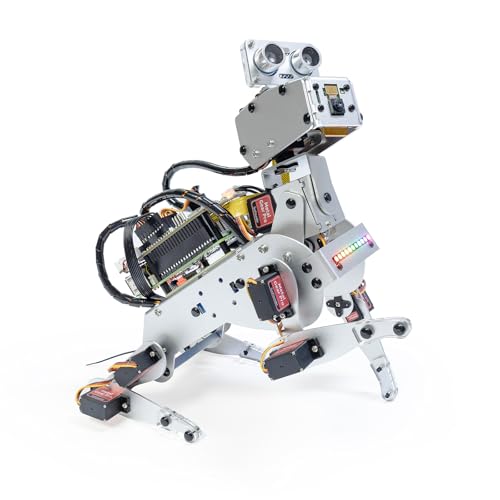
Built for serious makers. These kits use metal chassis, advanced servos, camera modules, and full programming environments. Soldering and coding are often required.
Good for: Robotics enthusiasts pursuing advanced projects, prototype development, and deep STEM learning.
Compare Adult Robot Kit Features
| Tier | Assembly Complexity | Programming Level | Best For |
|---|---|---|---|
| Starter Tier | Snap-together, no tools required | Block-based / drag-and-drop | Absolute beginners and curious learners |
| Mid-Tier | Screwdriver assembly, some wiring | Python / Arduino basics | Hobbyists with some electronics experience |
| Top-Tier | Soldering, full wiring, metal chassis | Python, C++, full IDE | Experienced makers and STEM educators |
Essential Components in Adult Robot Kits
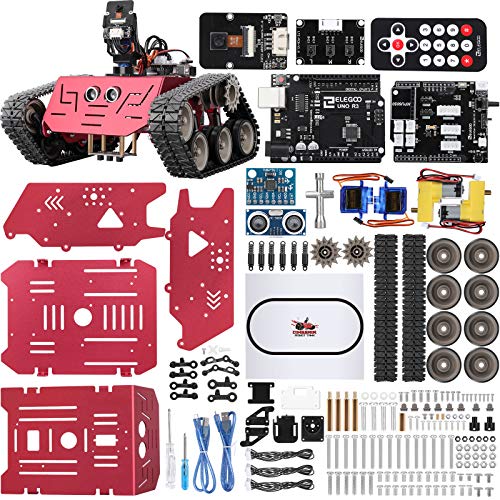
A complete build your own robot kit for adults typically includes the following components. Kits in higher tiers tend to include more of these, and often with better specifications.
- Microcontroller board: The brain of the robot — Arduino Uno, Raspberry Pi Pico, or ESP32 are common choices.
- Servo and DC motors: Drive movement, joints, and grippers. Metal-gear servos offer greater durability.
- Motor driver module: Controls speed and direction of motors based on microcontroller signals.
- Sensor array: Ultrasonic distance sensors, infrared line trackers, and cameras enable autonomous behavior.
- Chassis and frame: Acrylic or metal plates that form the robot's body. Premium kits use aluminum alloy chassis.
- Power supply: Rechargeable battery packs with proper voltage regulation. Lithium-ion packs are common in higher-tier kits.
- Fasteners and tools: Screws, nuts, standoffs, and often a small screwdriver or wrench.
- Programming cable and software: USB cable plus access to the kit's IDE or online coding platform.
Tips for First-Time Robot Builders
- Work through the manual in order — skipping steps often leads to rework.
- Sort components by type before starting assembly to save time.
- Test each subsystem (motors, sensors, power) before final assembly.
- Keep a simple log of wiring connections and code changes — it helps when troubleshooting.
- Start with example projects included in the kit, then modify them once everything works.
- Join online communities for your kit's platform — forums and subreddits are invaluable resources.
Ready to Start Building?
Browse our curated selection of adult robot kits below, organized by tier and feature set. Every recommendation is chosen for durable construction, clear documentation, and genuine learning value.
View Recommended KitsFrequently Asked Questions
Do I need prior programming experience?
Not necessarily. Starter-tier kits use visual, block-based coding. Mid-tier kits often include guided tutorials for Python or Arduino basics. Top-tier kits assume some familiarity but usually include reference material for learners willing to invest time.
How long does it take to assemble a robot kit?
Entry-level kits can be assembled in an afternoon. Mid-range kits typically take a weekend. Professional-grade kits with soldering and complex wiring may take several sessions to complete and test properly.
Can I expand a kit after building it?
Many kits with open GPIO pins and modular mounts are designed for expansion. Look for kits that explicitly mention compatibility with additional sensors, motor drivers, or third-party modules if expandability matters to you.
Are adult robot kits good for educational use?
Yes. Many adult kits are used in classrooms, workshops, and self-study programs. They provide hands-on experience with electronics, mechanics, and programming — core STEM skills. Some kits include structured curricula or project guides suited to guided learning.