12 Volt Battery for Ride On Toys: The Ultimate Guide
Find the perfect replacement battery, extend playtime, and keep your child's ride-on car running smoothly with our expert advice.
Shop Top-Rated 12V Batteries⚡ Why the right 12V battery matters: A reliable 12-volt battery is the heart of your child's ride-on toy. Whether you're replacing an old battery or upgrading for longer adventures, choosing the correct type ensures safety, performance, and maximum fun. This guide covers everything from battery types and maintenance to top recommendations.
What Is a 12 Volt Battery for Ride-On Toys?
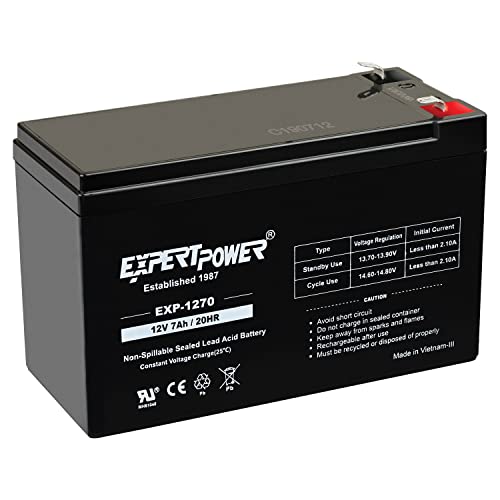
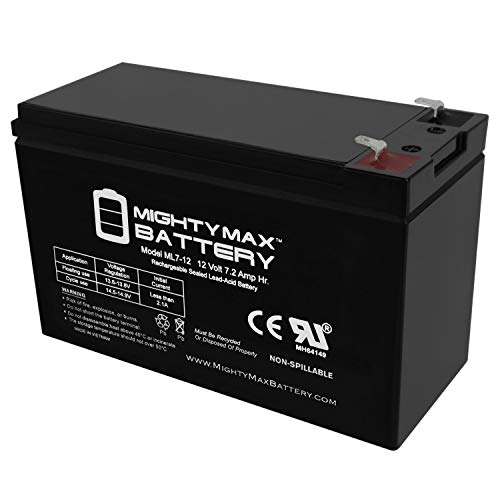
A 12-volt battery is the standard power source for most children's electric ride-on cars, trucks, and ATVs. These batteries are typically sealed lead-acid (SLA) or lithium-ion (Li-ion), each with its own advantages. SLA batteries are affordable and widely available, while lithium-ion offers lighter weight and longer runtime. When choosing a replacement, always check your toy's compatibility—most ride-ons use a 12V 7Ah to 12V 12Ah battery. Learn more about battery-powered ride-ons and how to choose the right one for your child.
Why Replace or Upgrade Your 12V Battery?
🔋 Longer Playtime
New batteries hold a full charge, giving your child 30–60 minutes of continuous driving, depending on terrain and weight.
⚡ Consistent Speed & Power
A fresh battery delivers steady voltage, preventing sluggish performance on hills or grass.
🛡️ Safety & Reliability
Old batteries can leak or overheat. Replacing them reduces the risk of malfunctions and keeps your child safe.
🌱 Eco-Friendly Options
Consider lithium-ion upgrades for reduced weight and longer lifespan, which also means fewer replacements over time.
Types of 12V Batteries for Ride-On Toys
🔋 Sealed Lead-Acid (SLA)
- ✅ Most common and affordable
- ✅ Reliable for casual use
- ⏳ 300–500 charge cycles
- ⚖️ Heavier (around 4–6 lbs)
Price: $25–$45
⚡ Lithium-Ion (Li-ion)
- ✅ Lightweight (half the weight of SLA)
- ✅ Longer runtime (up to 2x)
- ⏳ 1000+ charge cycles
- ⚡ Faster charging
Price: $70–$150
💡 Pro Tip: For most families, SLA batteries offer the best value. If your child uses the ride-on daily, consider lithium-ion for long-term savings.
12V Battery Comparison Chart
| Feature | SLA Battery | Lithium-Ion Battery |
|---|---|---|
| Price Range | $25–$45 | $70–$150 |
| Weight | 4–6 lbs | 2–3 lbs |
| Charge Cycles | 300–500 | 1000+ |
| Runtime (avg) | 30–45 min | 45–90 min |
| Charging Time | 8–12 hours | 4–6 hours |
| Best For | Casual users, budget | Heavy users, performance |
How to Choose the Right 12V Battery
1. Check Your Toy's Specs
Look for the battery type and Ah (amp-hour) rating on the old battery or in the user manual. Common sizes: 12V 7Ah, 12V 10Ah, 12V 12Ah.
See compatible ride-on cars →2. Consider Your Child's Usage
If your child rides daily on rough terrain, invest in a higher Ah battery or lithium-ion for extended playtime.
3. Safety First
Choose batteries with built-in protection against overcharging and short circuits. Always use the correct charger.
Find the right charger →4. Budget vs. Longevity
SLA batteries are cheaper upfront, but lithium-ion lasts 2–3x longer, making it more cost-effective over time.
Explore durable ride-on cars →Maintenance Tips for Longer Battery Life
- ✅ Charge after every use – Don't let the battery drain completely.
- ✅ Store in a cool, dry place – Extreme temperatures reduce performance.
- ✅ Check terminals regularly – Clean corrosion with a baking soda solution.
- ✅ Use the correct charger – Never use a charger that isn't designed for your battery type.
- ✅ Recycle old batteries – Most auto parts stores accept SLA batteries for recycling.
Safety Precautions with 12V Batteries
While 12V batteries are generally safe, follow these guidelines to protect your child and your home:
- 🛡️ Supervise charging – Never leave a charging battery unattended.
- 🛡️ Keep away from water – Moisture can cause short circuits.
- 🛡️ Inspect for damage – Cracks or bulges mean it's time for a replacement.
- 🛡️ Disconnect when not in use – Prevents parasitic drain.
For more safety tips, visit our Toy Safety Guide.