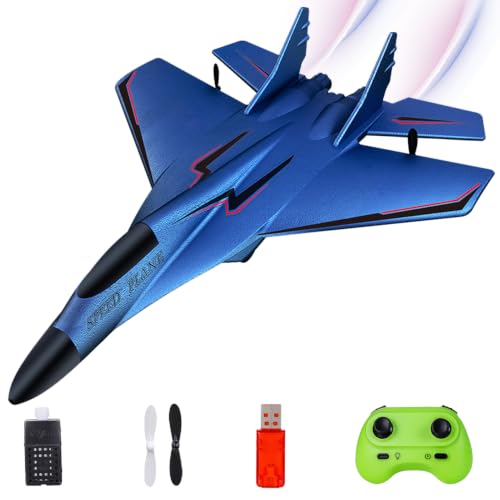
Trainer Remote Control Airplane: Your Complete Beginner's Flight Guide
Everything you need to choose, understand, and master a trainer RC airplane — from key design features and flight dynamics to top-tier recommendations for a smooth takeoff into the hobby.
🛩️ Why a Trainer RC Airplane Matters: Choosing the right trainer remote control airplane is the single most important decision a new pilot can make. A purpose-built trainer offers self-leveling stability, forgiving stall characteristics, and durable construction — transforming what could be a frustrating crash-fest into an enjoyable, confidence-building journey. This guide walks you through every consideration so you can launch your RC flying hobby with clarity and the right aircraft.
What Exactly Is a Trainer Remote Control Airplane?
A trainer remote control airplane is an RC aircraft specifically engineered for flight instruction and beginner pilots. Unlike scale warbirds, aerobatic sport planes, or high-performance jets, a trainer prioritizes stability, predictability, and durability over speed and agility. These aircraft are the foundation of the RC flight learning curve and are designed to forgive the small input errors that every new pilot makes.
The defining characteristics of a true trainer RC airplane include a high-wing configuration that places the center of gravity below the wing for natural pendulum stability, significant dihedral (upward wing angle) that promotes self-righting behavior, and a gentle stall speed that gives pilots time to react. Many modern trainers also incorporate electronic stability augmentation — commonly called SAFE or AS3X technology — which actively assists with leveling and prevents over-control.
Compared to other RC aircraft categories, a trainer is not about adrenaline or scale realism. It is about learning. The best trainer airplanes make the pilot better by providing clear, consistent feedback and a wide margin for error. Once a pilot has mastered a trainer, transitioning to more advanced airframes becomes a natural progression rather than a jarring leap. If you are also exploring ground-based RC hobbies, understanding the transmitter and receiver for RC car systems provides useful parallel knowledge about radio protocols and channel management.
Key Features That Define a Great Trainer Airplane
Not every beginner-friendly RC airplane is a true trainer. When evaluating a trainer remote control airplane, focus on these critical design and technology features:
High-Wing Configuration
A high-wing design places the wing above the fuselage, creating natural pendulum stability. This layout is inherently self-righting and makes the aircraft far more forgiving of control inputs.
Dihedral Wing Geometry
Upward-angled wings (dihedral) generate a self-leveling tendency. When the aircraft banks, the lower wing generates more lift, gently rolling the plane back to level flight.
Electronic Flight Assistance
Modern trainers often include GPS-assisted return-to-home, automatic launch, and virtual fences. These technologies act as a safety net, preventing flyaways and enabling confident learning.
Durable Construction
Trainers typically use EPP foam, EPO foam, or reinforced composite materials. These resilient materials absorb impact energy and can be repaired with glue, extending the aircraft's useful life through the learning phase.
Gentle Stall Characteristics
A trainer stalls at a lower speed and with more warning than advanced aircraft. The nose drops gently rather than snapping into a spin, giving the pilot time to recover.
Three-Channel or Four-Channel Control
Three-channel trainers (throttle, elevator, rudder) are the most accessible starting point. Four-channel trainers add ailerons for roll control, bridging the gap to sport aircraft.
Moderate Wing Loading
Low wing loading means the aircraft flies slower and floats more, giving beginners more time to think. A trainer with moderate wing loading is forgiving in both calm and light-wind conditions.
Easy Battery Access
A well-designed trainer features a top-loading or quick-access battery bay, allowing pilots to swap battery packs efficiently between flights without disassembling the airframe.
Trainer RC Airplane Tiers: Finding the Right Level
Trainer airplanes exist across a spectrum of sophistication and capability. Instead of focusing on numerical figures, understanding the relative positioning of each tier helps you match an aircraft to your learning stage and long-term goals. The table below outlines the three primary tiers of trainer remote control airplanes:
| Tier | Best For | Flight Characteristics | Technology Level | Durability |
|---|---|---|---|---|
| Essential Tier | Absolute beginners, first-time flyers, casual weekend pilots | Very stable, slow flight, self-leveling, minimal control authority | Basic stabilization, sometimes rudder-only or 3-channel | EPP foam, reinforced nose, replaceable components |
| Balanced Tier | Beginners progressing to intermediate skills, pilots wanting room to grow | Stable but responsive, moderate speed, capable of basic maneuvers | Advanced stabilization with optional beginner/intermediate modes | EPO foam or composite-reinforced airframe, modular parts |
| Top-Tier | Serious hobbyists, pilots planning to transition to sport aircraft | Near-trainer stability with sport-like responsiveness, wider flight envelope | Full-featured flight controller, telemetry, GPS return-to-home | High-grade composite or hybrid construction, premium hardware |
The essential tier is where most pilots begin, and it remains the smartest starting point. A well-chosen essential-tier trainer teaches the fundamentals of throttle management, spatial orientation, and coordinated turns without overwhelming the pilot. The balanced tier becomes appealing once basic flight is comfortable and the pilot wants an airframe that can grow with their skills. The top-tier trainer serves pilots who want trainer-like stability but with the response and features that make the transition to advanced aircraft seamless. If you are also considering ground vehicles alongside your aviation hobby, browsing truck RC cars can offer a complementary RC experience that reinforces radio control fundamentals.
Flight Training Fundamentals for New RC Pilots
Owning a trainer remote control airplane is only half the equation. Developing the skills to fly it confidently requires a structured approach. The most successful beginners follow a deliberate training path that combines simulator practice with real-world flight sessions.
Start With a Flight Simulator
Before the first real flight, spend several hours with an RC flight simulator. Modern simulators accurately model the physics of trainer aircraft, allowing you to practice takeoffs, landings, and recovery from unusual attitudes without risking the airframe. The muscle memory developed in simulation translates directly to real-world stick time and dramatically reduces the crash rate during early flights.
Master the Pre-Flight Checklist
Every flight should begin with a consistent pre-flight routine. Check the battery charge level, verify control surface movement in the correct direction, confirm the center of gravity, inspect the propeller and landing gear, and perform a range check on the radio system. A disciplined checklist prevents the majority of avoidable incidents.
Learn in Calm Conditions
Your first flights should happen in calm air, ideally in the early morning or late evening when wind is minimal. A trainer airplane in calm conditions is a predictable, cooperative machine. Wind introduces variables that multiply the pilot's workload exponentially. Once you can consistently take off, fly a rectangular pattern, and land without assistance, gradually introduce light wind to expand your skill set.
Join a Local Club or Seek Instruction
Many countries have established RC flying clubs with designated flying fields, safety rules, and experienced instructors. A club environment provides a safe, legal place to fly, access to mentor pilots who can buddy-box with you, and a community that accelerates learning. If a club is not accessible, at minimum find a large open area free of obstacles, people, and regulatory restrictions.
Common Mistakes Beginners Make With Trainer Airplanes
Even with the most forgiving trainer remote control airplane, certain recurring mistakes can derail the learning process. Recognizing these pitfalls in advance helps you avoid them:
- Flying too far away: Spatial disorientation is the number-one cause of lost aircraft. Keep the trainer within a comfortable visual range, and practice flying a consistent rectangular circuit.
- Over-controlling: New pilots often make large, abrupt stick movements. A trainer responds best to smooth, small inputs. If the aircraft is equipped with dual rates or exponential, use them.
- Ignoring wind direction: Always take off and land into the wind. Taking off with a tailwind dramatically increases the ground speed needed for liftoff and can lead to an immediate stall.
- Skipping the simulator: Simulator practice is not optional. It is the single most effective way to build the reflexes needed for real flight.
- Flying beyond the battery reserve: Modern trainers with telemetry provide battery voltage warnings. Heed them. Attempting one more circuit on a depleted battery often ends in a forced landing.
- Neglecting pre-flight checks: A reversed control surface, a loose propeller, or a depleted transmitter battery can turn a routine flight into an incident. The checklist exists for a reason.
For a broader perspective on RC vehicles and how they compare, exploring toys car options can help you understand the entry points into different RC disciplines. Likewise, if you enjoy piloting from a different perspective, watch with remote control car combinations offer a unique FPV-style experience that shares radio fundamentals with RC aviation.
Maintaining Your Trainer Airplane for Long-Term Flight
A trainer RC airplane is an investment in your learning journey. Proper care extends its service life and keeps it flying predictably. After every flight session, inspect the airframe for cracks, stress marks, or loose components. Clean the propeller and motor area of dirt and debris. Store the aircraft in a cool, dry place away from direct sunlight, which degrades foam over time. Cycle your batteries properly — avoid leaving lithium-polymer packs fully charged or fully discharged for extended periods. Replace worn propellers promptly, as a damaged prop introduces vibration that stresses the motor mount and airframe. With basic maintenance, a quality trainer can serve a pilot well beyond the beginner phase and often becomes a cherished backup aircraft.
If you are considering RC aircraft alongside other radio-controlled hobbies, understanding the landscape of remote control toys provides useful context for the various control systems and battery technologies you will encounter. For families introducing younger enthusiasts to the hobby, browsing age-appropriate options like toys for 8 and 9 year olds can help identify entry-level RC experiences that build foundational skills.
Frequently Asked Questions About Trainer RC Airplanes
What makes a trainer remote control airplane different from other RC planes?
A trainer RC airplane is designed with stability, self-leveling, and forgiving flight characteristics as top priorities. It typically features a high-wing configuration, dihedral wings, and gentle stall behavior, making it far easier to control for beginners compared to aerobatic or scale models that demand precise inputs and higher speeds.
How long does it take to learn to fly a trainer RC airplane?
With a well-designed trainer airplane and consistent practice, most beginners can achieve basic solo flight within 10 to 20 flight sessions. Using a flight simulator alongside real-world practice significantly accelerates the learning curve and reduces the number of mishaps during early flights.
Can I fly a trainer remote control airplane in windy conditions?
Trainer airplanes are best flown in calm to light-wind conditions. Most entry-level trainers handle winds up to 5-8 mph comfortably. Stronger winds demand more experience and a heavier, more powerful airframe. Always check the forecast before heading to the flying field and err on the side of caution.
What is the ideal wingspan for a beginner trainer RC airplane?
A wingspan between 30 and 48 inches is generally ideal for beginners. This size offers a good balance of stability, visibility, and portability, while remaining manageable in light wind and easy to transport to flying fields. Larger wingspans offer more stability but require more storage and transport space.
Do I need a license or registration to fly a trainer RC airplane?
Regulations vary by country and region. In many jurisdictions, recreational RC pilots must register with the relevant aviation authority and follow specific safety guidelines, such as flying below a certain altitude and away from airports. Always check your local regulations before flying and join a local club for guidance on compliance.
Should I choose a 3-channel or 4-channel trainer airplane?
A 3-channel trainer (throttle, elevator, rudder) is the most accessible starting point for absolute beginners. A 4-channel trainer adds ailerons for roll control, which introduces more responsive handling and prepares the pilot for sport aircraft. Many modern trainers offer both modes, allowing you to progress from 3-channel to 4-channel as your skills grow.
Ready to Launch Your RC Flight Journey?
A trainer remote control airplane opens the door to one of the most rewarding and skill-building hobbies available. With the right aircraft, a structured training approach, and a commitment to safety, you will be flying confidently in no time. Explore our curated selection of top trainer models below and take the first step toward the skies.