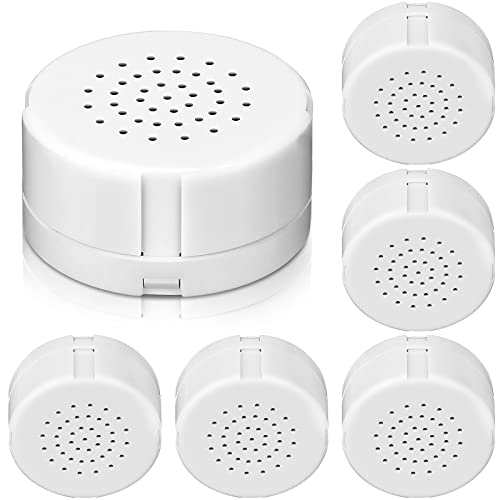
Small Voice Recorder for Stuffed Animals: A Complete Buyer's and Maker's Guide
Everything you need to know about adding a personal voice message to a plush toy — from choosing the right recording module to installation, safety, and creating a meaningful keepsake.
Why a voice recorder for a stuffed animal? A small voice recorder turns an ordinary plush toy into a personal memory keeper. Parents record bedtime messages for children, grandparents preserve their voice for grandchildren, and adults create memorial keepsakes from the voice of a loved one. This guide explains how these compact recording modules work, what to look for, and how to choose the right one for your project — so you can decide with confidence before you buy.
What Is a Small Voice Recorder for Stuffed Animals?
A small voice recorder for stuffed animals is a compact, battery-powered sound module that lets you record a short message and play it back with the press of a button. These modules are typically embedded inside a plush toy's body, with the button and speaker positioned so a child or adult can press it easily. Unlike a general-purpose digital recorder, a plush-specific module is designed to be small, lightweight, and safe for soft-toy installation.
The category has grown well beyond the classic "record-your-voice teddy bear." Modern modules offer clearer audio, longer recording time, and easier re-recording. If you are exploring ready-made recordable keepsakes rather than DIY modules, our guide to stuffed animals with custom voice recording covers finished options, while this page focuses on the recorder itself — the component that makes the magic happen.
Related keepsake projects follow the same principle: the voice is what gives the toy its emotional weight. If you are considering a memorial or sentimental plush, you may also find value in our overview of a teddy bear with a voice recording of a loved one, which explains how families use recorded messages to stay connected to someone special.
How These Recording Modules Work
Most small voice recorders for plush toys use the same core components: a microphone, a small speaker, flash memory, a control button, and a battery. The workflow is simple:
- Record: Press and hold the record button while speaking your message.
- Store: The message is saved to onboard memory — usually enough for a few seconds up to a couple of minutes, depending on the module.
- Play: Press the play button (often the same physical button inside the plush) to hear the message.
- Re-record: Most modules let you erase and record a new message, which is useful if you want to update the greeting.
The module is usually sewn into a small pocket or pouch inside the stuffing, with the button accessible through the fabric or via a small opening. Because the recorder sits inside the toy, it is protected from drops and rough handling — a key reason plush installations are so popular for children's keepsakes.
Key Features to Evaluate Before You Buy
Not all voice modules are built the same. When comparing options, focus on these practical criteria:
Recording Duration
Short-message modules hold a few seconds; extended modules store a minute or more. Match duration to your intended message length.
Audio Clarity
Higher-quality microphones and speakers produce speech that stays intelligible even from inside fabric and stuffing.
Re-recording Support
A module that allows easy erase-and-record is far more flexible for updating messages over time.
Battery Access
Check whether the battery is replaceable and how the module is accessed for replacement without damaging the toy.
Size and Weight
The module should be small and light enough that the plush still feels soft and huggable after installation.
Button Design
A large, easy-press button works best for young children and for placement under fabric.
Comparing Module Tiers
Voice recorders for plush toys fall into three broad tiers. Use this classification to match the module to your project rather than shopping by raw specifications alone.
| Tier | Best For | Typical Characteristics |
|---|---|---|
| Entry-level | Simple short greetings, craft projects, first-time DIY installations | Basic microphone and speaker, short recording window, straightforward record/play button |
| Mid-range | Family keepsakes, children's bedtime messages, repeat re-recordings | Clearer audio, longer recording capacity, easier re-record workflow, replaceable battery |
| Premium | Memorial keepsakes, professional gift makers, long-term sentimental projects | High-grade audio components, extended recording time, robust build, thoughtful button and battery access design |
As a rule, a mid-range module offers noticeably clearer speech than an entry-level unit, which matters when the message plays through fabric. Premium modules are a worthwhile investment when the recording is emotionally significant and expected to last for years.
Installation Basics: Adding a Recorder to a Plush Toy
Installing a recorder is a manageable DIY project for most crafters, but it requires care. Here is the general process:
- Plan the placement. Choose a spot in the torso or back where the module sits securely and the button can be reached through a seam or small opening.
- Create a pocket. Sew a small fabric pouch inside the toy to hold the module and keep it from shifting.
- Position the button. Align the button with a seam or add a reinforced opening so it can be pressed without removing stuffing.
- Test before closing. Record and play a test message with the module in place to confirm volume and clarity through the fabric.
- Secure and finish. Close the seam, redistribute stuffing, and re-test the button and playback.
If you are not comfortable sewing, many ready-made recordable plush toys already include an installed module. Our article on stuffed animals with custom voice recording explains how to order one with your own message included.
Safety Considerations for Children
Any electronic component inside a child's toy requires attention to safety. Keep these points in mind:
- Choose modules designed for plush installation, with no small loose parts that could become a choking hazard.
- Ensure the battery compartment is secure and not accessible to young children.
- Confirm the module is fully enclosed in fabric so wires and components cannot be pulled out.
- Follow the age guidance on the module and on the finished toy, and supervise very young children during play.
- Check the toy periodically for worn seams, exposed components, or a loose button.
Creative Uses Beyond the Classic Teddy Bear
While the recordable teddy bear is the most familiar application, the same modules work across many plush projects. Families record messages into a stuffed animal store purchase before gifting it, and crafters embed recorders into handmade toys for birthdays and holidays. A recorded message also pairs naturally with a plush that resembles a pet — for example, a stuffed animal made to look like a pet can carry the sound of a familiar voice alongside the familiar face.
Memorial and sentimental projects are among the most meaningful uses. If you are creating a keepsake from clothing or fabric with emotional significance, our guides on a teddy bear made from loved one's clothes and a stuffed animal made from loved one's clothes explain how fabric-based keepsakes are constructed — and a small recorder can be the finishing touch that adds a voice to the memory.
For families supporting a child through the loss of a pet, a voice recorder can complement a comforting plush. Our page on a stuffed animal for a dog that passed away discusses the emotional role these toys play, and a recorded message can deepen that sense of connection. Similarly, a stuffed animal for a puppy to sleep with can include a soothing recorded voice for nighttime comfort.
Recording Tips for a Message That Lasts
- Speak clearly and close to the microphone. Fabric muffles sound, so a clean source recording matters.
- Keep it short. A focused 10–20 second message plays better than a long, rambling one.
- Record in a quiet room. Background noise becomes more noticeable when played through a small speaker.
- Test through the fabric. Always play back the message after installation to confirm clarity.
- Label the button. A small embroidered or fabric marker indicator helps the recipient find the play button.
Frequently Asked Questions
How long can a small voice recorder for stuffed animals record?
Recording capacity varies by module tier. Entry-level units typically hold a short message of a few seconds to under a minute, while mid-range and premium modules support longer messages of a minute or more. Always confirm the recording window before you buy.
Can I change the message later?
Most modules support erase-and-record, so you can update the message. Choose a module with easy re-recording access, and plan the installation so you can reach the controls without unpicking the whole toy.
Is a voice recorder safe inside a child's stuffed animal?
Yes, when the module is designed for plush installation and fully enclosed in fabric with a secure battery compartment. Follow the age guidance, inspect the toy regularly, and supervise very young children.
Do I need to sew the recorder in myself?
Not necessarily. You can install a module yourself with basic sewing skills, or order a ready-made recordable plush. Our guide to stuffed animals with custom voice recording covers the ready-made route.
What is the best use case for a premium module?
Premium modules suit memorial keepsakes and other emotionally significant projects where audio clarity, durability, and long-term reliability matter most. Mid-range modules are a solid choice for everyday family keepsakes.
Ready to Choose a Voice Recorder for Your Plush Project?
Explore our recommended voice recorder modules below, compare features across tiers, and pick the one that fits your keepsake.
Explore Options