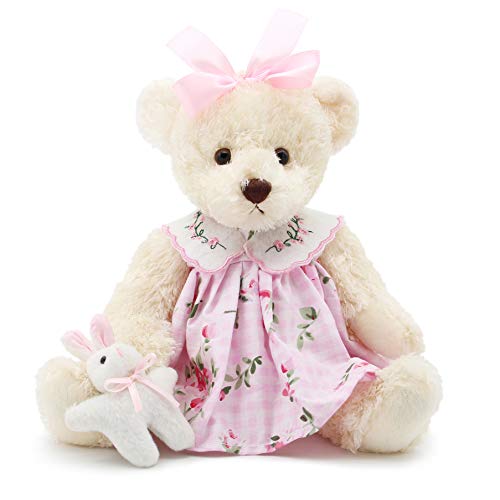
Teddy Bear Made From Loved Ones Clothes: A Keepsake That Holds Memories Close
Turn a beloved shirt, favorite blanket, or well-worn jacket into a custom memory bear. This guide explains how keepsake teddy bears are made, which fabrics work best, how to care for them, and what to consider before commissioning one.
Explore Memory Bear OptionsA teddy bear made from loved ones clothes is more than a plush toy — it is a tangible connection to someone special. Whether you are preserving a child's first outfit, honoring a grandparent, or creating a memorial keepsake after loss, these bears transform everyday fabric into a lasting comfort object.
What Is a Memory Bear Made From Clothing?
A memory bear is a custom teddy bear sewn from the fabric of garments that belonged to a loved one. Instead of storing those clothes in a box or letting them go, families commission a maker to repurpose the material into a soft, huggable bear. The result is a keepsake that preserves texture, pattern, and scent — sensory details that trigger fond memories.
These bears are used in many situations: commemorating a grandparent, celebrating a child's baby clothes, honoring a pet's favorite blanket, or creating a bereavement gift. The appeal lies in the personalization — no two memory bears look alike because no two wardrobes are the same. If you are exploring broader remembrance options, our guide to teddy bears with voice recordings covers another popular style of sentimental keepsake.
Unlike mass-produced plush toys, a memory bear requires a conversation between the family and the maker. Fabric weight, garment condition, color palette, and even the placement of buttons or embroidered logos all influence the final design. This is why understanding the process before you order is essential.
Choosing the Right Fabric From Clothing
Not every garment is suitable for a stuffed bear. The best memory bears use fabrics that are durable enough to be cut, sewn, and stuffed while retaining a recognizable look and feel. Here is how common materials perform:
- Cotton shirts and blouses: The most popular choice. Cotton is stable, easy to sew, and holds color well. Flannel shirts are especially favored because the plaid pattern remains recognizable even when cut into small panels.
- Denim and jeans: Durable and heavy. Denim bears are sturdy and excellent for larger designs, though they require a maker experienced with thick seams.
- Knitwear and sweaters: Soft and warm, but knits can stretch. A skilled maker will interface the fabric to prevent distortion. Sweater bears feel especially cozy and are popular for winter memorials.
- Fleece and flannel: Lightweight and plush. These work well for baby-clothes bears because they mimic the softness of traditional teddy fabric.
- Formal wear and silk: Delicate and challenging. Not recommended as the primary body fabric, but small accents — a tie, a pocket square, a collar — can be incorporated as decorative details.
When selecting garments, choose pieces that are clean and free of heavy stains. A maker may recommend combining two to four items to provide enough material for a full bear. If you are also considering other sentimental plush options, our collection of teddy bears offers helpful context on standard sizing and stuffing materials.
Memory Bear Quality Tiers: What to Expect
Custom keepsake bears vary widely in craftsmanship. Understanding the tier structure helps you set realistic expectations and choose a maker whose work matches your needs. The tiers below describe relative positioning within the custom memory-bear market.
Entry-Level Custom Bear
Simple patterns with basic stitching. Uses a single garment or two. Good for families who want a straightforward keepsake without intricate detailing. Features standard plastic safety eyes and basic polyester stuffing.
Mid-Range Memory Bear
More detailed patterns with articulated limbs and embroidered facial features. Makers in this tier often combine multiple garments and offer customization such as name embroidery or a small tag. Stuffing is denser and joints are reinforced.
High-End Keepsake Bear
Heirloom-quality construction. Hand-finished seams, glass or hand-painted eyes, premium hypoallergenic stuffing, and full customization. Makers often provide a certificate of authenticity and detailed care instructions. These bears are designed to last for generations.
Within each tier, the quality of the final bear depends heavily on the maker's experience with garment fabric. A mid-range bear from an experienced maker often outperforms a top-tier bear from a generalist. Always review a maker's portfolio of previous clothing-based work before committing.
How a Memory Bear Is Made: Step by Step
Understanding the process helps you prepare your materials and communicate clearly with the maker. Most custom bear projects follow a similar sequence:
- Consultation: You discuss the loved one, the garments you want to use, the desired bear size, and any personal touches such as a patch, embroidered initials, or a special button.
- Fabric preparation: The maker inspects the clothing for wear, washes or spot-cleans the fabric, and cuts pattern pieces. Careful placement ensures recognizable features — a shirt pocket or a sleeve cuff — appear prominently on the bear.
- Pattern cutting and sewing: The bear body, limbs, ears, and head are assembled. Makers typically use a paper or digital pattern, adapting seam allowances for thicker fabrics like denim.
- Stuffing and jointing: The bear is filled with polyester fiberfill or natural stuffing. Jointed bears have movable limbs attached with safety discs. The density of stuffing determines how firm or huggable the bear feels.
- Facial features and finishing: Eyes, nose, and mouth are added. Some makers embroider the face directly onto fabric; others use safety eyes. Final touches include seam checks, brushing, and any requested embroidery.
- Quality review and delivery: The maker inspects the bear for loose threads, uneven stuffing, and fabric integrity before packaging it with care instructions.
Caring for a Keepsake Teddy Bear
Because a memory bear is made from clothing that may already be years old, it deserves gentle handling. Follow these care guidelines to protect both the fabric and the emotional value of the bear:
- Spot-clean rather than machine-wash. Submerging a stuffed bear can distort stuffing and loosen seams. Use a damp cloth with mild detergent for surface marks.
- Avoid direct sunlight. UV exposure fades fabric and weakens fibers over time. Display the bear away from windows.
- Store in a breathable cotton bag. Plastic bags trap moisture and can cause mildew. A pillowcase or cotton drawstring bag is ideal for seasonal storage.
- Keep away from pets and rough play. A memory bear is a keepsake, not a plaything. Place it on a shelf or a bed where it can be seen and gently handled.
- Address loose seams promptly. Small repairs prevent bigger damage. Many makers offer repair services or can advise on local tailors who handle delicate work.
For families who want a bear that can be gently hugged and handled, discuss durability with the maker upfront. Some makers reinforce seams and use heavier stuffing specifically for bears that will receive regular contact.
Keepsake Bear vs. Regular Stuffed Animal
A memory bear and a standard stuffed animal serve different purposes. A regular plush toy is designed for play, washing, and everyday wear. A keepsake bear is designed for preservation, display, and emotional connection. If you are choosing between a custom clothing bear and a realistic-looking plush, our article on stuffed dogs that look like your pet explores how personalized plush can serve a similar commemorative role.
Some families choose both: a display bear made from clothing for the shelf, and a soft, huggable plush for children to hold. This dual approach balances preservation with comfort, especially when young children are part of the grieving or remembering process.
How to Choose a Memory Bear Maker
The maker matters as much as the fabric. Before sending clothing — which may be irreplaceable — verify the following:
- Portfolio evidence: Ask to see photos of previous clothing-based bears. Look for clean seams, balanced proportions, and recognizable garment details.
- Communication clarity: A good maker asks questions about fabric condition, desired size, and personal details. Vague responses are a warning sign.
- Fabric handling policy: Confirm how the maker treats stains, fragile seams, and non-washable garments. Reputable makers explain their process in writing.
- Insurance and tracking: If you ship clothing, use tracked and insured delivery. Some makers provide a materials receipt upon arrival.
- Timeline transparency: Custom work takes time. A maker who promises unrealistic turnaround times may rush the craftsmanship.
Many makers specialize in bereavement bears and understand the emotional weight of the project. Reading reviews and asking for references from past clients can provide reassurance before you commit.
Frequently Asked Questions
How much clothing is needed for a memory bear?
Most makers need the equivalent of two to three adult garments or four to six baby items, depending on the bear's size and the fabric's weight. Thick fabrics like denim require less material; lightweight knits require more. Always ask the maker for their specific requirements before sending clothing.
Can the bear include a voice recording?
Yes. Some makers integrate a small voice module into the bear's paw or chest. For a detailed look at this option, see our guide to a teddy bear with a voice recording of a loved one. Voice modules add complexity and may affect washing and care, so discuss placement and battery access with the maker.
Is it safe to use clothing from someone who was ill?
Standard fabric washing and the sewing process remove most surface contaminants. However, if the clothing came from a hospital or hospice setting, wash it thoroughly according to the garment's care label before sending. Makers who specialize in memorial bears are familiar with these concerns and can advise on safe handling.
Can children play with a memory bear?
A memory bear is generally intended as a keepsake, not a plaything. The fabric may be delicate, and the stuffing or joints may not withstand rough handling. If a child wants a huggable reminder, consider a separate soft plush or a smaller, reinforced bear designed for gentle use.
What if the clothing has stains or holes?
Discuss this with the maker before sending. Small holes can often be patched or positioned on hidden panels. Stains may be hidden in the bear's interior or incorporated as part of the design. Transparency about the garment's condition helps the maker plan effectively.