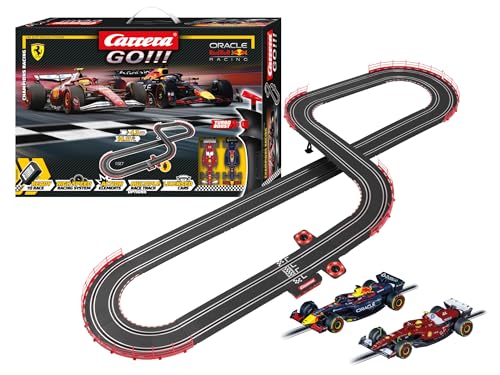
Slot Car Track: The Ultimate Guide to High-Speed Racing Fun
Everything you need to know about choosing, building, and racing slot car tracks. From starter sets to advanced layouts, discover how to bring the thrill of the racetrack into your home.
Slot car racing is a timeless hobby that combines the excitement of motorsport with hands-on building and friendly competition. Whether you're a parent looking for an engaging activity for your children or a hobbyist seeking the perfect track layout, understanding the components and options available is essential. This comprehensive guide covers everything from track design and power systems to car compatibility and maintenance, empowering you to make an informed decision for your racing setup.
What Is a Slot Car Track?
A slot car track is a miniature racing circuit featuring a grooved track surface where electrically powered cars run along a slot. Each car is guided by a pin or blade that sits in the slot, and the driver controls the speed using a handheld controller. The track is typically made from modular plastic sections that snap together, allowing you to create custom layouts ranging from simple ovals to complex figure-eight circuits with bridges and banked curves.
The appeal of slot car racing lies in its accessibility and depth. Beginners can start with a straightforward starter set, while enthusiasts can expand their tracks with additional pieces, digital systems, and scenery to create a truly immersive racing experience.
Key Components of a Slot Car Track
Understanding the individual components helps you evaluate different sets and plan your expansion. Here's what makes up a typical slot car racing system:
Track Pieces
Straights, curves, lane changers, and specialty pieces like loops and chicanes. The quality of the track connections affects smoothness and electrical continuity.
Slot Cars
Available in various scales, with 1:32 and 1:43 being the most common for home use. Cars differ in detail, motor performance, and tuning options.
Controllers
Handheld throttles that regulate power to the track. Analog controllers offer simple operation, while digital systems add features like lane changing and fuel simulation.
Power Supply
Transforms household electricity into the low voltage needed for the cars. A stable power supply ensures consistent performance across all lanes.
Digital vs. Analog
Analog systems run cars on fixed lanes, while digital systems allow multiple cars per lane and advanced race features. Each has its own merits.
Scenery & Accessories
Barriers, grandstands, pit buildings, and landscaping enhance the visual appeal and immersion of your track.
How to Choose the Right Slot Car Track
Selecting the ideal slot car track depends on several factors, including available space, the age of the racers, and your long-term interest in the hobby. Consider these key points before making a purchase:
Space and Layout
Measure your available floor or table space first. Starter sets usually require a minimum area, but expanding with additional track pieces can demand significantly more room. Modular designs let you adapt the layout to your space, and some sets include elevated sections or bridges to add vertical interest without increasing the footprint. For families with limited space, consider a track that can be easily disassembled and stored.
Scale and Compatibility
The two main scales for home slot car racing are 1:32 and 1:43. Larger scales offer more detail and smoother racing but require more space. Smaller scales are ideal for children and tighter areas. Always check that additional cars and track pieces are compatible with your chosen system, as brands often have proprietary connection designs.
Analog vs. Digital Systems
Analog systems are the traditional choice, simple and reliable. Each car stays in its lane, and racing is straightforward. Digital systems introduce features like lane changing, multiple cars per lane, and race management software. Digital setups are more complex and typically carry a higher initial investment, but they offer greater depth for enthusiasts. For younger children, an analog set is often the better starting point.
Age Appropriateness and Safety
Most slot car tracks are recommended for ages 5 and up, though simpler sets for younger children exist. Small parts can pose choking hazards, and electric components require adult supervision during setup. Look for sets with safety-tested power supplies and durable track connections that won't loosen during play.
Build Quality and Durability
Track pieces should have sturdy connectors that maintain electrical contact. Cars with robust motors and replaceable tires will last longer. Entry-level sets are suitable for casual play, while mid-range and premium sets offer better materials and more refined components. If you plan to expand, invest in a system with a wide range of available accessories.
Popular Slot Car Track Layouts
The beauty of slot car racing is the ability to create layouts that match your skill level and space. Here are some classic configurations:
- Oval: The simplest layout, perfect for beginners and young racers. Focuses on basic throttle control and smooth cornering.
- Figure-Eight: Adds crossing points and requires more attention to timing and speed management.
- Grand Prix Circuit: A mix of straights, sweeping curves, and tight corners that rewards precision driving.
- Rally Style: Incorporates elevation changes, chicanes, and technical sections for advanced racers.
- Multi-Level: Uses bridges and supports to create a compact yet challenging track with vertical elements.
Many enthusiasts enjoy experimenting with different layouts, and modular track systems make it easy to reconfigure your circuit. For those looking to add variety, consider integrating STEM building toys for 6-year-olds to create custom supports and scenery, or explore STEM toys for related engineering fun.
Setting Up and Maintaining Your Slot Car Track
A well-maintained track provides smoother racing and extends the life of your investment. Follow these practical tips:
Assembly Tips
Start with a flat, clean surface. Connect track pieces firmly, ensuring the tabs and slots align properly. Avoid forcing connections, as this can damage the track. Test the electrical continuity by running a car slowly over each section before building complex layouts.
Cleaning and Care
Dust and debris can interfere with electrical contact. Wipe the track surface with a dry, lint-free cloth regularly. For the slots, use a small brush or compressed air to remove particles. Clean the car's pick-up shoes and braids with a soft cloth and replace them when they show significant wear. Store cars and track pieces in a dry place away from direct sunlight.
Troubleshooting Common Issues
If cars run inconsistently, check the track connections and power supply first. Loose connections are the most common cause of dead spots. Inspect the car's braids for fraying or dirt. If a car derails frequently, reduce speed in corners and ensure the track is level. For digital systems, refer to the manufacturer's guide for reset procedures.
Safety and Age Considerations
Slot car tracks are generally safe when used as intended, but supervision is important, especially for younger children. Small components like track pins and car parts can be choking hazards. The electric power supply should be handled by an adult during setup. Always follow the manufacturer's age recommendation, and teach children to use the controllers gently to avoid overheating. Keep the track area clear of clutter to prevent trips and falls.
For families with pets, consider a track location that keeps curious paws away from the cars and controllers. A dedicated table or a low platform can help protect your setup.
Expanding Your Slot Car Track Collection
One of the most rewarding aspects of the hobby is growing your track over time. Additional straights, curves, and specialty pieces can transform your layout. Adding more cars allows for multi-player races and themed events. Scenery accessories, such as pit garages, spectator stands, and landscaping, bring the track to life. Many brands offer expansion packs that include popular layout elements, and you can often combine sets from the same brand to create a larger circuit.
If you have children interested in other types of racing and building toys, you might also enjoy exploring super fast remote control cars or space-themed toys for 5-year-olds for complementary play experiences.
Frequently Asked Questions
What age is a slot car track suitable for?
Most slot car tracks are recommended for ages 5 and up. However, simpler sets with larger components may be suitable for slightly younger children with adult supervision. Always check the manufacturer's age recommendation.
Can I combine track pieces from different brands?
Generally, no. Track connection systems are proprietary, so pieces from different brands are usually not compatible. Stick to one brand for consistency.
How much space do I need for a slot car track?
Starter sets often fit within a 4x8 foot area, but expanded layouts may require more room. Consider the space you have and choose a set that fits comfortably, with room to walk around.
Are digital slot car tracks better than analog?
Digital systems offer more features like lane changing and multiple cars per lane, but they are more complex and typically higher-end. Analog is simpler and great for beginners. The best choice depends on your interest level and budget tier.
How do I clean my slot car track?
Use a dry, lint-free cloth to wipe the track surface. For slots, a small brush or compressed air works well. Avoid liquid cleaners, which can damage the electrical components.