🧩 Sensory Toys Guide: Unlock the Power of Play for Every Child
Discover how sensory toys can boost development, improve focus, and bring calm. Expert insights, practical tips, and top-rated recommendations for kids of all ages.
🔍 What Are Sensory Toys? Sensory toys are specially designed to stimulate one or more of the five senses: sight, sound, touch, smell, and movement. They are not just for kids with sensory processing challenges—they benefit every child by encouraging exploration, problem-solving, and fine motor skills. Whether you're a parent, therapist, or educator, understanding sensory play is the first step to unlocking a world of developmental benefits.
🌟 Why Sensory Toys Matter
Sensory play is essential for brain development. It helps children build neural pathways, improve coordination, and regulate emotions. For children with autism, ADHD, or anxiety, sensory toys can be a game-changer—providing a calming outlet and improving focus. Even for typically developing kids, these toys encourage creativity, social interaction, and cognitive growth. Explore our curated fidget toys collection to find the perfect match for your child's needs.
🧠 Boosts Cognitive Development
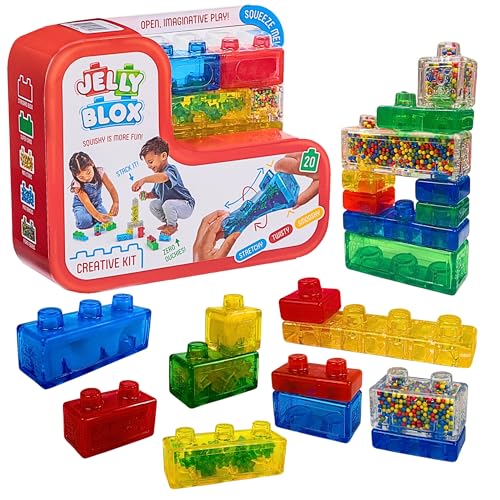
Sensory toys like puzzles, building blocks, and tactile mats encourage problem-solving, memory, and spatial awareness. They lay the foundation for critical thinking and creativity.
😌 Reduces Anxiety & Stress
Weighted blankets, calming plush toys, and fidget spinners provide soothing input that helps children self-regulate and manage overwhelming emotions effectively.
🤲 Enhances Fine Motor Skills
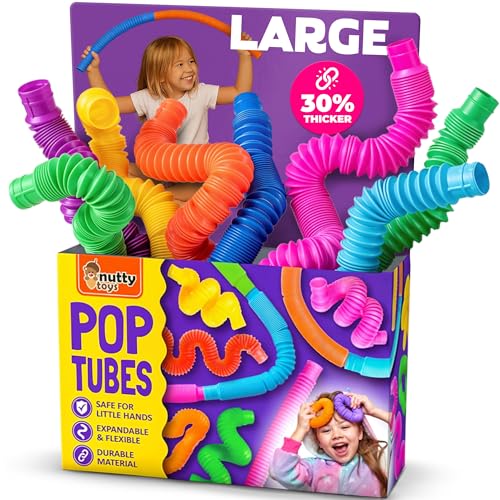
From squishy balls to threading beads, sensory toys strengthen hand-eye coordination and dexterity—skills that are vital for writing, dressing, and daily tasks.
👂 Supports Sensory Processing
For kids with sensory processing disorder, these toys provide the right amount of stimulation to help them understand and respond to their environment more comfortably.
🧘 Promotes Calm & Focus
Chewelry, liquid timers, and sensory bottles offer a quiet, engaging activity that helps children concentrate during homework or transitions between activities.
👨👩👧👦 Encourages Social Play
Many sensory toys are designed for group play, fostering communication, sharing, and teamwork. They're perfect for playdates, classrooms, and therapy sessions.
🎯 How to Choose the Right Sensory Toy
Choosing the best sensory toy depends on your child's age, interests, and specific needs. Here are some expert tips:
- Age Matters: For babies, soft rattles and crib mobiles are great. Toddlers love textured balls and bath toys. Older kids benefit from complex fidgets and 3D puzzles.
- Identify the Need: Is your child seeking sensory input (e.g., jumping, spinning) or avoiding it (e.g., loud noises, bright lights)? Choose toys that match their sensory profile.
- Safety First: Always check for choking hazards, toxic materials, and age recommendations. Look for BPA-free, non-toxic, and washable options.
- Variety is Key: Offer a mix of tactile (playdough, sand), auditory (musical instruments), visual (liquid timers), and movement-based (swings, infant gyms) toys to cover all senses.
- Involve the Child: Let them explore and choose what feels good. This builds autonomy and ensures the toy will be used and enjoyed.
📦 Types of Sensory Toys (and Who They Help)
🖐️ Tactile Toys
Textured balls, kinetic sand, squishy toys, and playdough. Great for children who need deep pressure or enjoy exploring different textures. Perfect for infant float play and sensory bins.
🎵 Auditory Toys
Musical instruments, rainmakers, and sound puzzles. Help children with auditory processing and encourage rhythm and listening skills.
👀 Visual Toys
Lava lamps, bubble tubes, and light-up spinners. Calming and mesmerizing, they aid focus and visual tracking. Also great for baby mobile setups.
🧘 Vestibular & Proprioceptive
Swings, balance boards, and trampolines. Provide movement input that helps with body awareness and coordination. Ideal for active kids.
❓ Frequently Asked Questions About Sensory Toys
What age is appropriate for sensory toys?
Sensory toys are beneficial from infancy through adulthood. For babies, start with crib mobiles and soft rattles. Toddlers enjoy textured blocks and bath toys. Older kids and even adults benefit from fidget toys and weighted blankets.
Can sensory toys help with ADHD or anxiety?
Yes. Many occupational therapists recommend fidget toys, stress balls, and weighted items to help regulate attention and calm the nervous system. They provide a healthy outlet for excess energy and reduce restlessness.
How do I clean sensory toys?
Most plastic and silicone toys can be washed with mild soap and water. Fabric toys should be machine-washed or spot-cleaned. Always check the manufacturer's instructions to ensure longevity and safety.
Are sensory toys only for children with special needs?
Not at all. Sensory play is a natural part of childhood development. All kids benefit from exploring different textures, sounds, and movements. It's a fun, engaging way to learn about the world.
Ready to bring the power of sensory play home?
Browse our handpicked selection of sensory toys below. Each product is carefully chosen for quality, safety, and developmental value. Click through to learn more and find the perfect fit for your child.