Sensory Activities for 1-2 Year Olds
Unlock your toddler's potential with engaging sensory play. Discover simple, effective activities and the best toys to support development during this crucial stage.
🧠 Why Sensory Play Matters: Between 1 and 2 years old, your child's brain is developing rapidly. Sensory activities stimulate the five senses—touch, sight, sound, smell, and taste—while also building fine motor skills, language, and cognitive abilities. Our guide helps you choose age-appropriate activities and toys that make learning fun and safe.
Benefits of Sensory Play for Toddlers
🧩 Cognitive Development
Sensory play encourages problem-solving, exploration, and curiosity. Simple activities like sorting or pouring help toddlers understand cause and effect.
🤲 Fine Motor Skills
Manipulating small objects, scooping, and squeezing strengthen the small muscles in little hands, preparing them for writing and self-care tasks later on.
🗣️ Language & Communication
Describing textures, colors, and actions during play introduces new vocabulary. Narrate your child's play to boost their language exposure and understanding.
😌 Emotional Regulation
Exploring different textures and sensations can be calming for toddlers. Sensory bins and activities provide a safe outlet for emotions and reduce anxiety.
Top Sensory Activities for 1-2 Year Olds
🌈 Sensory Bins
Fill a shallow bin with safe materials like dry pasta, rice, or water beads. Add scoops, cups, and small toys for endless exploration.
- Use large items to prevent choking.
- Supervise closely during play.
- Add themed toys for extra fun.
🎨 Finger Painting
Non-toxic, washable finger paints are perfect for little ones. Let them smear, swirl, and create on paper or a highchair tray.
- Try edible paints (yogurt + food coloring).
- Cover surfaces for easy cleanup.
- Encourage mixing colors.
🧊 Water Play
Fill a tub with warm water, cups, and floating toys. Water play is calming and helps develop hand-eye coordination.
- Add sponges or bath crayons.
- Use different sized containers.
- Always supervise near water.
🧴 Play Dough & Clay
Soft, squishy play dough is excellent for building hand strength. Roll, flatten, and cut with safe plastic tools.
- Try homemade dough for a safe recipe.
- Add scents like vanilla or cinnamon.
- Provide cookie cutters and rollers.
How to Choose the Best Sensory Toys
With so many options, it can be tough to pick the right sensory toys for 2 year olds or activities for younger toddlers. Here are key factors to consider:
- Safety First: Always check for small parts, sharp edges, and non-toxic materials. Look for age recommendations on packaging.
- Open-Ended Play: Choose toys that can be used in many ways. This encourages creativity and problem-solving.
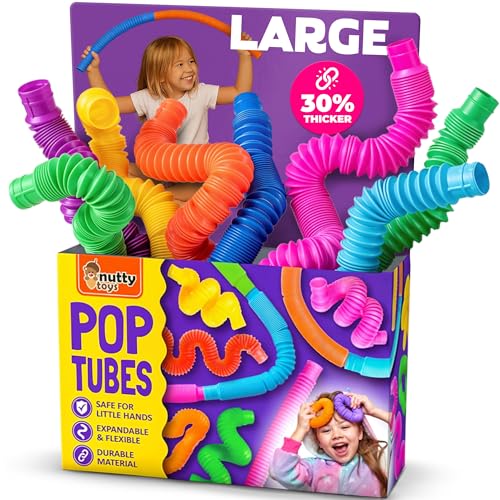
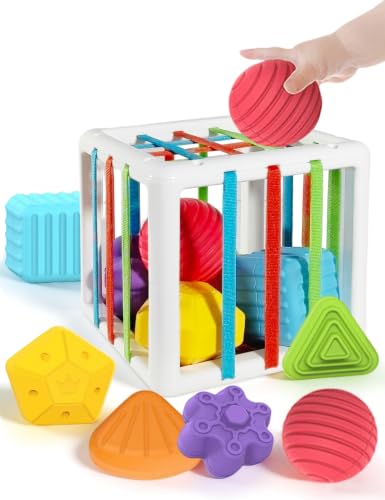
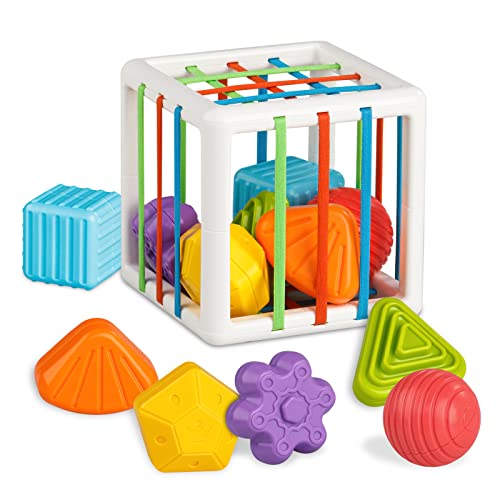
- Texture Variety: Offer a mix of textures—smooth, rough, soft, bumpy—to stimulate tactile senses and toys to help with fine motor skills.
- Engaging Colors & Sounds: Bright colors and gentle sounds capture attention and make play more exciting.
- Durability: Toddlers can be rough. Choose sturdy toys that can withstand drops and enthusiastic play.
Expert Tips for Sensory Play Success
⏰ Keep It Short
Toddlers have short attention spans. Start with 5-10 minute sessions and follow your child's lead.
🧑🤝🧑 Join the Fun
Play alongside your toddler. Your participation builds connection and shows them how to explore new materials.
🔄 Rotate Toys
Keep sensory play fresh by rotating toys and materials. This maintains interest and reduces overwhelm.
🧽 Embrace the Mess
Letting children get messy is part of the learning process. Use a smock, lay down a mat, and enjoy the fun!
Ready to start your sensory play journey? The toys and activities above are perfect for age-appropriate toys for 18 month old children and up. Remember, the goal is exploration and fun—every messy, squishy, and colorful moment is building your child's brain!