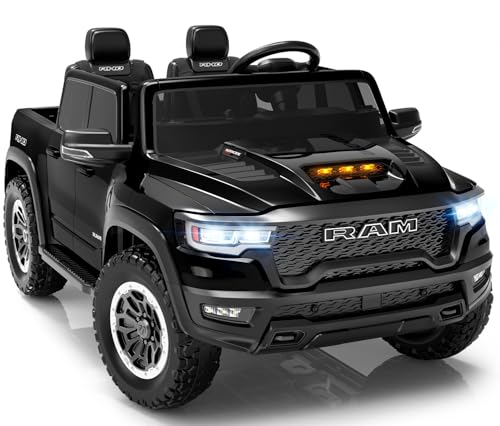
Ride On Trucks for 8 Year Olds: The Complete Buyer's Guide
Your 8-year-old is ready for bigger adventures. Discover how to choose a ride on truck that balances safety, durability, and excitement — plus expert picks for every type of young driver.
Why ride on trucks for 8 year olds deserve careful consideration: At this age, children have outgrown toddler ride-ons but are not quite ready for teen-sized vehicles. They need a truck that offers real steering control, robust construction, and enough power to feel thrilling — without compromising safety. This guide walks you through every decision point so you can choose with confidence.
What Makes 8-Year-Olds Ready for a Real Ride On Truck
Eight years old is a transitional age. Children at this stage have developed significantly better coordination, spatial awareness, and reaction time compared to toddlers or preschoolers. They can handle more complex steering mechanisms, understand traffic rules during play, and follow safety instructions consistently. This means you can look beyond simple push-along toys and consider models with genuine driving features.
However, every child develops at their own pace. Before choosing a ride on truck, assess whether your child can:
- Steer deliberately around obstacles rather than simply holding a wheel.
- Understand speed control — knowing when to slow down or stop.
- Follow safety rules such as wearing a helmet or staying within a designated area.
- Operate foot pedals or hand controls with confidence.
If your child meets most of these markers, they are likely ready for a mid-range or high-end tier ride on truck. If not, consider a simpler model or one with parental remote control to build confidence gradually. For a broader overview of age-appropriate options, explore our ride on toys for 8 year olds collection.
Key Features to Look For in a Ride On Truck
Not all ride on trucks are created equal. When shopping for an 8-year-old, focus on these critical features to ensure a safe, enjoyable, and long-lasting experience.
Motor Power & Speed
Look for models with a 12V or 24V motor. Entry-level trucks typically offer 12V for gentle cruising, while mid-range and premium models provide 24V for more responsive acceleration and the ability to handle uneven terrain.
Steering & Suspension
Realistic steering wheels with responsive linkage make the experience more engaging. Spring suspension on all four wheels absorbs bumps, which is essential for outdoor use on grass, gravel, or dirt paths.
Seat & Weight Capacity
An 8-year-old may weigh between 50 and 80 pounds. Ensure the truck's stated weight capacity comfortably exceeds your child's weight. A wider, contoured seat improves comfort during longer drives.
Safety Features
Seat belts, parental remote control (for peace of mind), soft-start technology, and non-slip tires are non-negotiable. Some models also include a speed governor to limit maximum velocity.
Battery Life & Charging
Aim for a battery that provides at least 60–90 minutes of continuous driving. Quick-charge capabilities and replaceable batteries extend the toy's lifespan. Check whether replacement batteries are readily available.
Durability & Materials
High-grade plastic or metal-reinforced frames are essential. Look for rust-proof finishes and UV-resistant materials if the truck will be stored outdoors. Heavy-duty wheels resist wear on rough surfaces.
Understanding Ride On Truck Tiers for 8-Year-Olds
To simplify your decision, we classify ride on trucks into three tiers based on their features, construction, and intended use. This framework helps you match your child's needs with the right level of product.
| Tier | Best For | Typical Features | Durability |
|---|---|---|---|
| Entry-Level | First-time drivers, flat driveways, light use | 12V motor, basic steering, manual controls, simple seat | Solid for smooth surfaces; limited off-road capability |
| Mid-Range | Experienced kids, mixed terrain, regular outdoor play | 12V–24V motor, spring suspension, parental remote, EVA tires, seat belt | Reinforced chassis; handles grass and gravel well |
| Premium | Adventurous drivers, rough terrain, long sessions | 24V motor, full suspension, rubber tires, LED lights, realistic sounds, speed governor | Heavy-duty construction; designed for years of use |
For most 8-year-olds, the mid-range tier offers the best balance of capability and safety. Premium models are worthwhile if your child will be driving on uneven ground or if you want a truck that can be passed down to younger siblings. If your child prefers a different vehicle style, explore our ride on cars for 8 year olds for alternative options.
Safety Guidelines Every Parent Should Know
Ride on trucks are fun, but they require responsible supervision — especially for 8-year-olds who may be eager to test limits. Follow these essential safety practices:
- Always supervise: Even with parental remote control, an adult should be present during every drive.
- Use protective gear: A properly fitted helmet and closed-toe shoes are recommended, especially for higher-speed models.
- Designate a safe driving area: Flat, obstacle-free zones away from traffic, pools, and steep slopes.
- Check weight limits: Never exceed the manufacturer's stated capacity. Overloading affects stability and braking.
- Inspect regularly: Check tires, steering linkages, battery connections, and seat belts before each use.
- Charge safely: Use only the original charger and avoid charging overnight or in extreme temperatures.
If you are considering a model with remote control features, our guide to remote control child's ride on car explains how parental controls work and when they are most useful.
Matching the Truck to Your Child's Driving Environment
Where your child will drive matters as much as how they drive. Use this quick reference to narrow your choices:
For Driveways and Patios (Smooth Surfaces)
An entry-level or mid-range truck with standard plastic tires works well. Focus on responsive steering and a comfortable seat. Speed is less critical here — control and safety matter more.
For Lawns and Gardens (Mixed Terrain)
Choose a mid-range model with spring suspension and wider tires. A 24V motor provides the torque needed to climb slight inclines and push through thicker grass without straining.
For Dirt Paths and Gravel (Rough Terrain)
A premium-tier truck with rubber tires, full suspension, and a heavy-duty chassis is the right choice. Look for models designed for off-road use with high ground clearance. If your child enjoys rugged driving, they may also enjoy gas-powered ride on toys for 8-10 year olds for a more intense experience.
Ready to Find the Perfect Ride On Truck?
Browse our curated selection of top-rated ride on trucks for 8-year-olds, featuring models across every tier and use case.
View Top PicksMaintenance Tips to Extend Your Truck's Lifespan
A well-maintained ride on truck can last for years, especially if it will be shared with younger siblings later. Follow these simple maintenance habits:
- Clean after outdoor use: Wipe down the chassis and wheels to remove dirt and debris that can cause rust or wear.
- Store properly: Keep the truck in a garage or covered area when not in use. If stored outdoors, use a waterproof cover.
- Battery care: Charge the battery fully after each use and avoid leaving it depleted for extended periods. Store the battery in a cool, dry place during off-seasons.
- Check tire pressure (if applicable): Some premium models use pneumatic tires that require periodic inflation.
- Tighten hardware: Periodically check screws, bolts, and steering linkages for looseness and tighten as needed.
Frequently Asked Questions
Is an 8-year-old too old for a ride on truck?
Not at all. Many ride on trucks are designed for children up to 10 or 12 years old. The key is choosing a model with appropriate weight capacity, motor power, and safety features for your child's size and maturity level. An 8-year-old is often at the ideal age to enjoy a mid-range or premium truck with real driving features.
Should I choose a 12V or 24V ride on truck for my 8-year-old?
A 12V model is sufficient for smooth, flat surfaces and first-time drivers. A 24V model offers more torque and speed, making it better for uneven terrain, grass, or experienced drivers. Consider your child's comfort level and where they will drive most often.
Do I need a parental remote control for an 8-year-old?
Parental remote control is optional for 8-year-olds but can provide peace of mind, especially in the early weeks of use or if your child is still building confidence. Many mid-range and premium models include this feature, allowing you to override or stop the truck if needed.
How long does the battery last on a typical ride on truck?
Most ride on trucks provide 60–90 minutes of continuous driving on a full charge. Premium models with larger batteries may last up to 2 hours. Battery life depends on terrain, load weight, and driving style. Having a spare battery is a practical investment for longer play sessions.
Can two children ride together?
Some ride on trucks feature two seats and are designed for two riders. However, always check the total weight capacity. If you are interested in two-seater options, explore our ride on toys for 8-10 year olds 2 seater for models built for shared fun.
What safety certifications should I look for?
Look for toys that comply with ASTM F963 (US), EN71 (EU), or ISO 8124 (international) safety standards. These certifications indicate that the toy has been tested for mechanical hazards, material safety, and age-appropriateness.
Final Thoughts: Choosing with Confidence
Selecting a ride on truck for an 8-year-old is about more than picking a fun toy. It is about giving your child a safe, engaging way to build confidence, coordination, and independence. By focusing on weight capacity, motor power, safety features, and the right tier for your child's experience level, you can choose a truck that will provide years of outdoor enjoyment.
Whether your child dreams of cruising the driveway or conquering backyard trails, the right ride on truck turns ordinary afternoons into unforgettable adventures. Take your time, compare features across tiers, and prioritize safety above all. Your child's smile — and your peace of mind — will be worth it.