What is a Ragdoll Kitten?
The ragdoll kitten is one of the most beloved cat breeds in the world, known for its striking blue eyes, silky semi-longhair coat, and exceptionally docile temperament. Ragdolls are often described as "puppy-like" because they follow their owners from room to room, greet them at the door, and even enjoy being carried around like a plush toy. This affectionate nature makes them perfect companions for families, singles, and seniors alike.
🐾 Did You Know? Ragdoll kittens are born completely white and develop their signature color points (seal, blue, chocolate, or lilac) over the first few weeks of life. Their full coat color isn't usually complete until they reach 2 to 3 years of age!
Ragdoll Kitten Personality & Temperament
Ragdoll kittens are famous for their gentle, calm, and affectionate nature. They are not typically aggressive or overly vocal, making them ideal indoor pets. These kittens thrive on human interaction and will often seek out laps for cuddles. They are also highly intelligent and can be trained to perform tricks, walk on a leash, or play interactive games.
Because of their trusting nature, ragdoll kittens should be kept indoors to protect them from cars, predators, and other dangers. They are not street-smart and lack the survival instincts of more feral breeds. If you're looking for a playful yet gentle companion, a ragdoll kitten is a wonderful choice.
Essential Care Guide for Ragdoll Kittens
Caring for a ragdoll kitten requires attention to their specific needs. Here are key areas to focus on:
- Diet: Provide high-quality kitten food rich in protein and essential nutrients. Fresh water should always be available.
- Grooming: Their plush coat is prone to matting. Brush your ragdoll kitten at least 2–3 times a week to keep it soft and tangle-free.
- Litter Training: Ragdolls are naturally clean and respond well to positive reinforcement. Keep the litter box clean and in a quiet spot.
- Veterinary Care: Regular check-ups, vaccinations, and deworming are essential. Discuss spaying/neutering and microchipping with your vet.
Best Toys for Ragdoll Kittens
Ragdoll kittens are intelligent and playful. They love interactive toys that challenge their minds and engage their natural hunting instincts. The best toys for a ragdoll kitten include:
- Interactive Wand Toys: These mimic prey movements and encourage your kitten to pounce, chase, and exercise.
- Puzzle Feeders: Stimulate their intelligence by hiding treats inside puzzle toys.
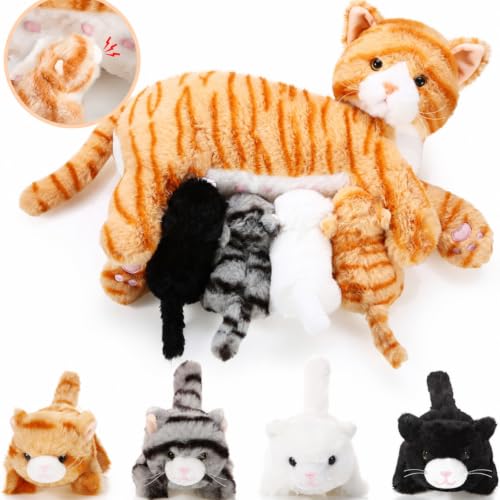
- Plush & Crinkle Toys: Many ragdolls love carrying soft toys around in their mouths.
- Catnip Toys: Catnip-filled toys can provide hours of entertaining, playful behavior.
- Scratching Posts & Climbing Trees: Ragdolls love vertical spaces and scratching is a natural behavior.
For a curated selection of top-rated toys that ragdoll kittens adore, check out the toy categories section on our site. Many of these toys also make excellent gifts for first-time kitten owners.
Adopting a Ragdoll Kitten
When adopting a ragdoll kitten, always choose a reputable breeder or rescue organization. Look for breeders who health-test their cats and raise kittens in a home environment. Ask for health clearances for conditions like hypertrophic cardiomyopathy (HCM) and spinal muscular atrophy (SMA). Adoption fees typically range from $800–$2,500, depending on the kitten's lineage, color, and location.
If you're on a budget, consider adopting an adult ragdoll or checking your local shelters. Many ragdoll-specific rescue groups also exist. Remember, a well-cared-for ragdoll can live 12–15 years or more, so this is a long-term commitment.
Common Health Concerns in Ragdolls
While generally healthy, ragdolls are predisposed to certain conditions. Being aware of these can help you provide the best care:
- Hypertrophic Cardiomyopathy (HCM): A common heart disease in ragdolls. Regular cardiac screening is recommended.
- Bladder Stones: Ensure your kitten has access to fresh water and a balanced diet to minimize risk.
- Dental Issues: Regular teeth brushing and dental check-ups can prevent gum disease.
Regular vet visits and a healthy lifestyle are the best prevention. Always discuss any concerns with your veterinarian.
Frequently Asked Questions About Ragdoll Kittens
Do ragdoll kittens get along with other pets?
Yes! Ragdolls are known for their sociable nature and generally get along well with other cats, cat-friendly dogs, and even children. Proper introductions are always recommended.
Are ragdoll kittens high maintenance?
They require regular grooming to prevent matting and enjoy daily interaction and playtime. They are not as demanding as some high-energy breeds but thrive on companionship.
Can ragdoll kittens be left alone?
Ragdolls are social and can become lonely if left alone for long periods. If you work long hours, consider getting a second pet or a feline companion to keep them company.
Conclusion: Why a Ragdoll Kitten is a Wonderful Addition
Ragdoll kittens bring a unique blend of beauty, affection, and playfulness into your life. Their gentle nature makes them perfect lap cats, while their playful side ensures you'll always have fun moments together. By providing proper care, nutrition, and engaging toys, you'll raise a happy, healthy, and well-adjusted feline companion.
Ready to welcome a ragdoll kitten into your home? Check out our recommended toys and supplies to make sure you have everything you need. For more guidance on pet-related products, explore our toy reviews and gift guides for the best picks.