Pool Slide for Above Ground Pool Deck: The Complete Buyer's Guide
Turn your backyard into a mini water park. Learn how to choose, plan, install, and safely enjoy a pool slide built for an above ground pool deck — with expert tips for families.
Start the Buying GuideA pool slide transforms a simple above ground pool into a destination the whole family looks forward to on warm days. But adding a slide to an above ground pool deck is not as simple as buying the first model you see. Deck strength, water depth, slide height, anchoring method, and local safety standards all come into play. This guide walks you through every decision so you can pick a slide that fits your deck, your pool, and your family's needs — safely and confidently.
Why Add a Pool Slide to an Above Ground Deck
Above ground pools are already a fantastic way to keep kids active and cool. A slide adds a new layer of play value that encourages movement, imaginative games, and social interaction. For families who host summer gatherings, a slide becomes the centerpiece of the backyard. It also helps younger swimmers build water confidence in a controlled, supervised setting. When paired with other pool toys, a slide creates a complete water-play experience that keeps children engaged for hours.
Beyond fun, a well-chosen slide can be a long-term investment in family recreation. Once installed correctly and maintained properly, a quality slide can serve a household for many seasons. That is why it is worth researching the details before you commit.
Types of Pool Slides for Above Ground Decks
Not every slide is designed for an above ground pool deck. The two main families of slides are residential deck-mounted slides and freestanding or inflatable slides. Within residential slides, above ground models are engineered with specific deck-mounting hardware, and they often have shorter profiles than in-ground pool slides. Understanding these categories helps you narrow your shortlist quickly.
- Deck-mounted residential slides: Permanently anchored to a reinforced pool deck, these are the most durable and provide the most traditional sliding experience.
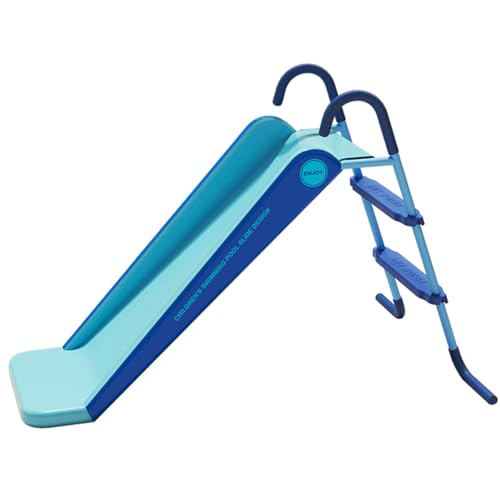
- Freestanding slides: These stand independently and can be placed beside the pool, making them a flexible option when deck anchoring is not possible.
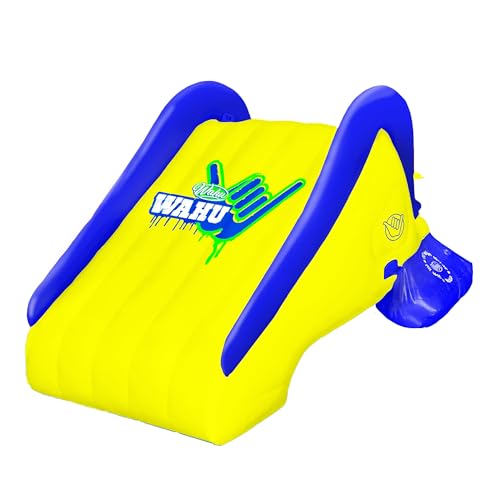
- Inflatable slides: A playful, seasonal choice that is easy to set up and store, though generally not a permanent or long-term solution.
- Compact family slides: Shorter models designed for smaller above ground pools, often with gentler slopes for younger children.
Key Buying Considerations
Because every above ground pool deck is different, the right slide is the one that matches your deck's structure and your pool's dimensions. Focus on these factors, and you will avoid the most common installation problems.
- Deck load rating: Confirm your deck can support the slide's weight plus the weight of a sliders. Above ground decks vary widely in strength.
- Water depth at exit: The slide exit must sit over water deep enough to meet the manufacturer's minimum requirement.
- Slide height and slope: Taller slides are more thrilling but need more deck space and deeper water.
- Anchoring hardware: Check whether the model includes stainless or rust-resistant hardware suited to a wet environment.
- Weight limits: Every slide has a maximum user weight. Choose a model that accommodates your tallest and heaviest sliders.
- Local regulations: Some areas require permits or specific barriers for pool slides. Check before you purchase.
| Tier | Best For | Typical Characteristics |
|---|---|---|
| Entry-level | Smaller decks and younger children | Compact footprint, simpler anchoring, gentle slope, lighter weight |
| Mid-range | Growing families with daily use | Reinforced deck plate, smoother slide surface, longer run-out |
| Premium | Frequent entertaining and older kids | Heavy-duty anchoring, UV-stable premium materials, taller profile |
Quality Tiers Explained
Rather than thinking in absolute terms, it helps to compare slides by tier. Entry-level slides are typically designed for smaller pools and lighter use. Mid-range slides add durability, better slide surfaces, and more robust anchoring. Premium slides are engineered for heavy, repeated use and often feature UV-stable materials and commercial-grade hardware. Choosing the right tier is about matching the slide to your household's usage, not about chasing the biggest model available.
Starter Tier
Compact and straightforward. Ideal for families with younger children and decks that are not built for heavy loads.
Balanced Tier
A strong middle ground with smoother sliding surfaces, better anchoring, and improved weather resistance.
Top-Tier
Heavy-duty construction, premium materials, and refined safety features for the most demanding households.
Deck Requirements and Installation
The deck is the foundation of slide safety. Above ground pool decks are often built as standalone structures, and their load capacity varies considerably. Before ordering a slide, have a qualified contractor or pool professional assess the deck's structure. Slides must be anchored to a load-bearing section, and the anchoring points must be reinforced to prevent lateral movement. Never mount a slide to a thin or unsupported deck section.
Installation also requires careful positioning. The slide exit must align with the deepest practical part of the pool, with clear run-out space. Manufacturer instructions specify exact clearance zones around the ladder and exit. Following these dimensions is non-negotiable — they exist to protect sliders from hitting the pool wall or bottom.
- Never install a slide on a deck that has not been checked for structural capacity.
- Do not modify manufacturer-supplied anchoring hardware or substitute lesser materials.
- Avoid positioning the slide exit directly beside a pool wall or ladder.
- Use a licensed installer when local codes require it or when the deck structure is uncertain.
Safety Essentials
A slide is a wonderful addition to family play, but it demands respect. Establish clear rules from day one: slide feet-first, one person at a time, no standing or diving, and no roughhousing around the slide. Children should always be supervised by an adult who is in or immediately beside the pool. Keep the exit area free of floating toys and debris so sliders have a clean entry into the water.
Inspect the slide regularly for loose bolts, cracks, or worn slide surfaces. Replace any damaged parts before the next use. If you combine the slide with other pool toys, make sure those items do not obstruct the slide exit. Finally, ensure that anyone using the slide can swim comfortably and that weaker swimmers are supported by appropriate floatation.
Maintenance and Longevity
Regular maintenance keeps a slide safe and extends its useful life. Rinse the slide surface with fresh water after heavy use to remove pool chemicals and debris. Inspect the anchoring points and fasteners monthly, tightening or replacing anything that shows wear. In areas with harsh winters, remove or cover the slide during the off-season and store hardware indoors. UV exposure is the leading cause of slide surface degradation, so a protective cover is a worthwhile addition.
If you plan to add more water-play accessories over time, explore the broader pool slide selection and the full range of pool toys to build a cohesive backyard setup that grows with your family.
Frequently Asked Questions
Can any pool slide be installed on an above ground pool deck?
No. Above ground pool slides require a properly reinforced deck and specific water depth requirements. Always check the manufacturer's deck and pool specifications before installation, and confirm the slide is rated for above ground pool use.
How much water depth does a pool slide need?
Most residential pool slides require a minimum water depth at the slide exit of roughly three feet, with deeper recommended for taller slides. Always follow the specific manufacturer's water depth and clearance requirements for your model.
Do I need professional installation for a pool slide?
Professional installation is strongly recommended. Slides are heavy, require secure deck anchoring, and improper installation can create serious safety hazards. Many manufacturers also require professional installation to maintain warranty coverage.
What safety rules should families follow with a pool slide?
Always slide feet-first and face-forward, one person at a time, and never dive from a slide. Keep the exit area clear, supervise children at all times, follow weight limits, and inspect the slide regularly for wear or loose hardware.
Ready to Choose Your Pool Slide?
Browse hand-picked pool slides and pool toys that suit above ground pool decks, then compare features and availability before you decide.
View Recommended Slides