Most Popular Dolls for 4 Year Olds: The Complete Parent's Guide
Finding the right doll for a 4-year-old is about more than just picking a pretty face. At this age, children are developing empathy, storytelling skills, and fine motor control — and the right doll can be a powerful companion for all three. Our expert guide walks you through the most popular doll types, what makes them tick, and how to choose the one that will truly resonate with your child.
EXPLORE TOP DOLL PICKS🧸 Why dolls matter at age four: Four-year-olds are entering a golden age of imaginative play. They create elaborate scenarios, assign roles, and act out real-life situations they're trying to understand. A well-chosen doll becomes a storytelling partner, a comfort object, and a tool for practicing social skills. But with hundreds of options on the market, how do you cut through the noise?
This guide is designed for parents, grandparents, and gift-givers who want to make a confident, informed choice. We'll cover the major doll categories, explain what to look for in terms of safety and durability, and highlight the features that make a doll a long-term favorite rather than a passing fad.
Why 4-Year-Olds Are Drawn to Dolls
At four years old, children are in a critical developmental window. Their language is expanding rapidly, their motor skills are becoming more refined, and their social awareness is blossoming. Dolls fit perfectly into this stage because they offer open-ended play that grows with the child.
Unlike toys with a single function, a doll can be a baby to nurture, a friend to confide in, a student to teach, or a character in a grand adventure. This versatility is why dolls remain one of the most enduring toy categories. Research in early childhood development consistently shows that pretend play with dolls supports language acquisition, emotional regulation, and perspective-taking.
For a deeper look at how toys support development at this age, explore our guide to learning toys for 4 year olds, which covers the broader landscape of educational play.
The Major Types of Dolls for 4-Year-Olds
Not all dolls are created equal. The category spans a wide range of formats, each with its own strengths and ideal use cases. Here's a breakdown of the most popular types, organized by their typical market positioning.
Baby Dolls
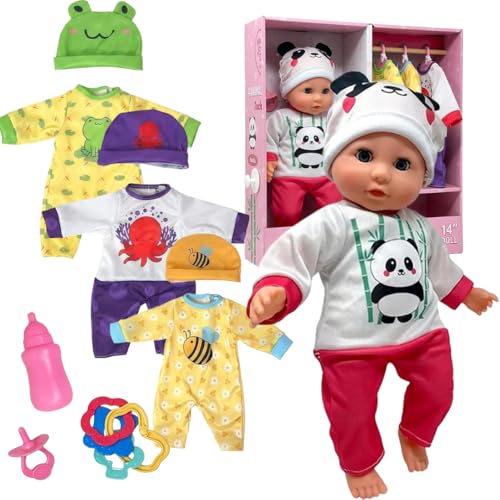
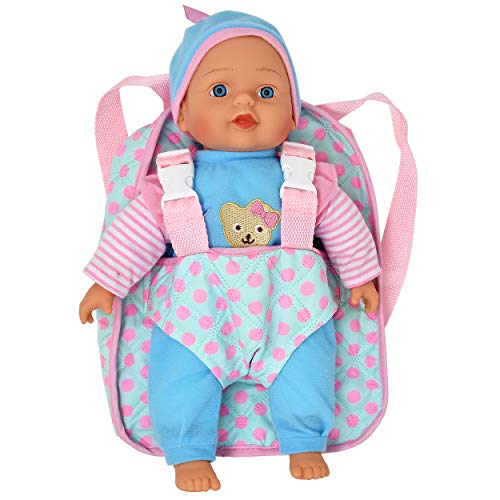
These are the classic "first dolls" — soft-bodied or vinyl dolls designed to look like infants. They often come with accessories like bottles, diapers, and blankets that encourage nurturing play. Baby dolls are particularly popular with 4-year-olds who are learning about caregiving, especially if they have a younger sibling at home.
Best for: Children who love to role-play as parents or caregivers. Look for dolls with removable clothing and simple, durable joints.
Fashion Dolls
These dolls focus on style, storytelling, and collection. They typically have articulated limbs, detailed outfits, and accessories that encourage fashion play and character-driven narratives. While some fashion dolls are aimed at slightly older children, many lines are designed with 4-year-olds in mind.
Best for: Kids who enjoy dressing, styling, and creating stories around characters. Choose dolls with simple, easy-to-use closures and durable hair.
Plush & Soft-Bodied Dolls
These dolls prioritize comfort and cuddliness. They're often made from soft fabrics, have embroidered or painted features, and are designed for hugging, sleeping, and carrying around. For many children, a plush doll becomes a transitional object and a source of emotional security.
Best for: Children who need a comforting companion, especially at bedtime or during transitions. Machine-washable options are a practical choice.
Interactive & Talking Dolls
These dolls respond to touch, voice, or movement with sounds, phrases, or even facial expressions. They add a layer of dynamic engagement to play but can sometimes be limiting if the child outgrows the pre-programmed responses. At their best, interactive dolls spark conversation and imaginative scenarios.
Best for: Children who are captivated by cause-and-effect play and enjoy verbal interaction. Look for volume controls and off switches for parental sanity.
Collectible & Themed Dolls
These dolls are part of a larger universe — often tied to movies, books, or a specific brand aesthetic. They appeal to children who love to collect, trade, and display. While the collectible aspect may become more prominent later, many 4-year-olds are drawn to these dolls for their distinct personalities and accessories.
Best for: Kids who enjoy series, sets, and the idea of "gotta collect them all." Ensure the doll's size and accessories are age-appropriate.
Cultural & Educational Dolls
These dolls are designed to represent diverse backgrounds, abilities, and cultures. They can be a powerful tool for teaching empathy, inclusion, and self-awareness. Many parents seek out dolls that reflect their child's own identity or expose them to a wider world.
Best for: Families who value representation and want toys that spark conversations about diversity. Look for authentic, thoughtfully designed details.
How to Choose the Right Doll for Your 4-Year-Old
With so many options, the decision can feel overwhelming. The key is to match the doll to your child's personality, play style, and developmental needs. Here are the factors that matter most.
1. Safety First — Always
At four, children still explore with their mouths less than toddlers, but small parts remain a hazard. Check the age recommendation on the packaging and look for dolls with securely attached features. Avoid dolls with long, loose hair or accessories that could detach and become choking hazards. For a broader safety refresher, our toy safety guide covers the essentials.
2. Durability and Build Quality
Four-year-olds are not gentle. A doll needs to survive being dragged by the hair, dropped from a stroller, and hugged with enthusiasm. Look for reinforced stitching, secure joints, and fabrics that can be spot-cleaned or machine-washed. Dolls in the mid-range and high-end tier generally offer superior construction and materials, which translates to a longer play life.
3. Play Style and Personality
Is your child a nurturer who loves to feed, burp, and put things to bed? A baby doll with accessories is a natural fit. Is your child a storyteller who creates elaborate scenes? A fashion doll with articulated limbs and a change of outfits will inspire more narrative play. If your child seeks comfort and companionship, a plush doll is the safest bet. Observe how they play with other toys and follow their lead.
4. Size and Handling
Dolls come in all sizes. A doll that's too large can be difficult for small hands to manipulate, while one that's too small may be frustrating or pose a hazard. For 4-year-olds, a doll in the 10–14 inch range is often ideal — large enough to feel substantial but light enough to carry around. Consider whether the doll needs to fit into a dollhouse or a stroller, as this will dictate the size.
5. Accessories and Expandability
Accessories can extend play but also create clutter. Think about whether your child will actually use the accessories or whether they'll end up at the bottom of the toy bin. A doll with a few well-chosen pieces (a brush, a bottle, a blanket) often gets more play than one with dozens of tiny items. If your child loves to accessorize, look for dolls that have compatible add-on sets.
6. Longevity and Brand Support
Some doll lines are designed to grow with the child, with new outfits, playsets, and characters released over time. If you want a doll that will remain relevant for years, choose a brand with a proven track record of supporting its line. This is where the premium and high-end tiers often justify their positioning — they offer a more robust ecosystem of play.
Doll Type Comparison at a Glance
| Doll Type | Market Tier | Best For | Key Features | Things to Consider |
|---|---|---|---|---|
| Baby Dolls | Essential Tier | Nurturing play, role-playing as caregiver | Soft or vinyl body, removable clothing, feeding accessories | Check for secure closures and washable fabrics |
| Fashion Dolls | Mid-Tier | Storytelling, dress-up, character play | Articulated limbs, detailed outfits, brushable hair | Small accessories may need supervision; hair can tangle |
| Plush Dolls | Starter Tier | Comfort, bedtime companionship, cuddling | Soft fabric, embroidered features, machine-washable options | Check for loose parts; some plush dolls are surface-clean only |
| Interactive Dolls | Premium Tier | Cause-and-effect play, verbal interaction | Sounds, phrases, sensors, movable features | Battery life, volume levels, may have limited long-term appeal |
| Collectible Dolls | High-End Tier | Collecting, series play, display | Themed lines, exclusive characters, accessories | May encourage "collect them all" mindset; check sizing |
| Cultural & Educational Dolls | Balanced Tier | Diversity, empathy, representation | Authentic details, diverse backgrounds, educational value | Look for thoughtful, well-researched designs |
Features That Make a Doll a Long-Term Favorite
After reviewing countless dolls and listening to feedback from parents, we've identified the features that consistently correlate with long-term play. These are the details that separate a doll that gets ignored after a week from one that becomes a cherished companion for years.
- Soft, huggable body: Even fashion dolls benefit from a slightly softer body that's pleasant to hold. Dolls that feel rigid and plasticky tend to get less cuddle time.
- Secure, easy-to-use joints: Articulation is great, but only if it holds a pose. Look for dolls with smooth, firm joints that don't flop or loosen over time.
- Quality hair: Hair is often the first thing to degrade. Dolls with rooted hair that's easy to brush and style tend to stay in play longer than those with glued-on wigs.
- Removable clothing: Dressing and undressing is a core part of doll play for many children. Look for clothing with simple closures (Velcro or large snaps) that small hands can manage.
- Neutral, expressive face: Dolls with simple, sweet expressions tend to have broader appeal than those with highly specific or exaggerated features. A neutral face lets the child project their own emotions onto the doll.
- Compatibility: If you already have a dollhouse or doll stroller, check that the new doll will fit. Scale compatibility can make or break the play experience.
For more ideas on toys that complement doll play, explore our guide to most fun toys for 4 year olds, which includes active and creative options that pair well with doll scenarios.
Caring for Your Child's Doll
A well-cared-for doll can last for years and even be passed down to younger siblings. Here are some practical tips for keeping dolls in good condition:
- Check the manufacturer's cleaning instructions: Some dolls are surface-clean only, while others can be machine-washed on a gentle cycle. Always follow the specific guidance for your doll.
- Brush hair regularly: Use a doll brush or a wide-tooth comb to prevent tangles. For stubborn knots, a light spritz of water mixed with a tiny amount of fabric softener can help.
- Store clothing separately: Keep outfits in a small bin or bag to prevent them from getting lost or damaged. This also makes dressing play more organized.
- Rotate dolls: If your child has multiple dolls, rotate them every few weeks. This keeps play fresh and prevents any one doll from becoming overused.
For more toy care guidance, see our article on cleaning plush toys, which covers best practices for soft-bodied dolls and stuffed animals.
How Dolls Support Developmental Milestones at Age Four
Dolls are more than just toys — they're tools for growth. At four years old, children are working on several key developmental fronts, and doll play naturally supports each one:
Language and Communication
When children play with dolls, they narrate. They give voice to the doll, create dialogue, and describe actions. This is language practice in disguise. Studies show that children who engage in frequent pretend play with dolls and figures develop richer vocabularies and stronger narrative skills.
Emotional Intelligence
Dolls allow children to explore emotions safely. They can act out a scenario where the doll is sad, scared, happy, or angry. This helps them process their own feelings and develop empathy for others. A doll can be a safe container for big emotions.
Fine Motor Skills
Dressing a doll, brushing its hair, and manipulating small accessories all require precise finger movements. These actions strengthen the same muscles needed for writing and self-care tasks like buttoning and zipping.
Social Skills
Playing dolls with a friend or sibling introduces concepts like turn-taking, negotiation, and cooperation. "You be the mommy, I'll be the doctor" is a lesson in social coordination.
If you're looking for toys that support similar skills, our guide to learning toys for 4 year olds covers a range of developmental play options.
Frequently Asked Questions About Dolls for 4-Year-Olds
The "best" doll depends on your child's personality. Baby dolls are great for nurturing play, fashion dolls for storytelling, and plush dolls for comfort. Many 4-year-olds enjoy a combination. Start with one type that matches your child's current interests and expand from there.
Yes, many fashion dolls are designed for this age group. However, pay attention to small accessories, which can be choking hazards, and choose dolls with simple clothing closures. Also consider whether the doll's styling aligns with your family's values.
There's no magic number. Most children do well with 2–4 dolls that serve different purposes (e.g., a baby doll, a plush companion, a fashion doll). Too many dolls can lead to overwhelm and less focused play. Quality and variety matter more than quantity.
Absolutely. A plush or baby doll can serve as a comforting companion during transitions like starting preschool or moving to a new home. Dolls can also be used to role-play upcoming events, which helps children feel more prepared and secure.
For surface-clean-only dolls, use a damp cloth with mild soap to wipe down the body and face. Avoid saturating the doll. For hair, use a damp brush and a small amount of doll-specific conditioner. Always check the manufacturer's instructions first.
A few well-chosen accessories tend to get more use than a large set of tiny pieces. Choose accessories that are easy to store and hard to lose. If your child loves small details, consider a doll that comes with a storage case or bag.
Dolls in the 10–14 inch range are typically easiest for 4-year-olds to handle, dress, and carry. Larger dolls can be cumbersome, while smaller dolls may be frustrating to manipulate and pose.
🔍 Explore more doll and plush guides: If your child loves soft, cuddly companions, our guide to luxury stuffed animals covers premium plush options that make wonderful gifts. For children who enjoy building and creative play alongside dolls, see our recommendations for magnetic building blocks for 3 year olds — a great complementary toy. And for a broader look at gifts at this age, don't miss our most popular toys for four year olds.