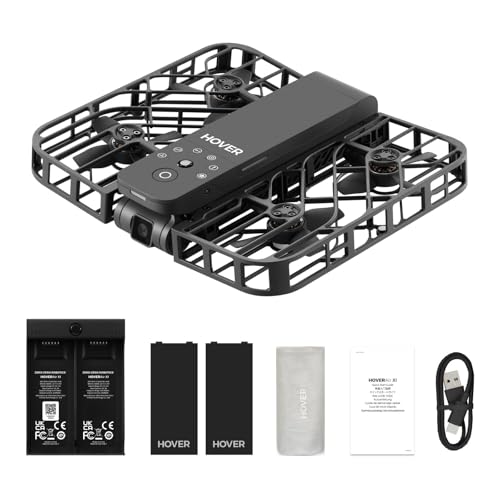
Mini Drone With Camera That Follows You: The Complete Buying Guide
Want aerial footage that tracks your every move without a second pair of hands? A mini drone with camera that follows you is the answer. This guide breaks down how follow-me technology works, what to look for, and how to choose the right tier for your needs.
Explore Top PicksWhy a follow-me mini drone? Traditional drones require a pilot glued to a controller. A follow-me drone uses GPS, visual tracking, or both to lock onto a subject and keep the camera trained on them. For vloggers, hikers, parents filming kids, and solo content creators, this hands-free capability transforms what is possible in a single take. Mini form factors add portability — they slip into a backpack and can be airborne in under a minute.
How Follow-Me Technology Works
Understanding the tracking mechanism is the single most important step before you buy. Follow-me drones rely on one or a combination of these systems:
GPS Tracking
The drone locks onto the GPS signal of a paired phone or beacon. Reliable over long distances and in open terrain, but needs a clear sky view.
Visual Subject Tracking
Computer vision identifies and follows a person based on appearance. Works without a phone but can lose the subject in crowded or low-contrast scenes.
Gesture Control
Raise a palm to launch, wave to recall, or frame a shot with your hands. Ideal for quick selfies but limited in range and precision.
Hybrid Systems
Premium and top-tier models combine GPS and visual tracking for the most robust follow performance across environments.
Key Features to Evaluate Before You Buy
Not all follow-me drones are built the same. Use this checklist to separate essential capabilities from nice-to-haves:
- Camera resolution and stabilization: Look for at least 1080p with electronic image stabilization. Mid-range and premium tiers typically offer 2.7K or 4K with smoother gimbals.
- Flight time: Entry-level models often deliver 10–15 minutes per battery. Mid-tier and high-end tiers push past 20–30 minutes, which matters for continuous follow shots.
- Transmission range: If you plan to film from a distance, prioritize drones with robust Wi-Fi or radio frequency links that maintain a stable feed.
- Obstacle avoidance: Sensors that detect and dodge obstacles are increasingly common in mid-range and premium follow drones — a major safety and footage-preservation feature.
- Return-to-home: GPS-based return-to-home is a must. It brings the drone back automatically if the signal drops or the battery runs low.
- Portability and build: Mini drones should fold or be compact enough to carry daily. Look for durable construction and replaceable propellers.
- App and firmware support: A well-maintained companion app with regular firmware updates signals long-term support from the manufacturer.
Follow-Me Drone Tiers Compared
To help you navigate the market without anchoring on specific figures, here is how the three main tiers compare across the features that matter most:
| Tier | Best For | Tracking System | Camera Quality | Flight Time |
|---|---|---|---|---|
| Entry-level | First-time flyers, casual selfies | Basic visual or gesture control | 1080p, basic stabilization | 10–15 minutes |
| Mid-range | Vloggers, outdoor hobbyists | GPS + visual hybrid | 2.7K, improved gimbal | 20–25 minutes |
| Premium | Content creators, serious pilots | Advanced hybrid with obstacle avoidance | 4K, 3-axis gimbal | 25–30+ minutes |
Entry-level models are a solid choice for learning the ropes without overcommitting. Mid-range drones offer the sweet spot for most users, balancing tracking reliability with camera quality. Premium and top-tier options deliver professional-grade footage and the most dependable follow performance in challenging conditions.
Safety and Regulatory Basics
Follow-me drones fly autonomously for stretches of time, so safety deserves extra attention. Always keep the drone within visual line of sight, even when it is tracking you automatically. Check local regulations regarding drone registration, altitude limits, and restricted airspace before your first flight. Many regions require registration for drones above a certain weight, and follow-me features do not exempt you from those rules. Avoid flying near crowds, airports, or private property without permission. A light-up feature or LED indicator can improve visibility during low-light flights, but never rely on it as a substitute for safe piloting practices.
Practical Buying Advice
Before you commit, ask yourself three questions: Where will you fly most often? What kind of footage do you need? How much hands-on control do you want to retain? If you plan to film in open parks or trails, GPS-based tracking is your priority. If you mostly shoot close-range content indoors or in tight spaces, visual tracking and gesture control matter more. Consider whether you need obstacle avoidance — it is a worthwhile investment for beginners who may not react quickly enough to avoid a crash. Finally, check that replacement batteries and propellers are readily available; long-term enjoyment depends on a healthy supply of consumables. For families introducing younger pilots to drones, pairing flight sessions with STEM-focused learning toys can reinforce the principles of aerodynamics and spatial reasoning.
Frequently Asked Questions
Do I need a smartphone to use a follow-me drone?
Most follow-me drones pair with a smartphone app for live view, settings, and GPS tracking. Some models include a dedicated controller with a built-in screen, and gesture-control drones can operate without a phone for basic functions.
How close does the drone need to stay for tracking to work?
Visual tracking typically works best within 10–30 meters, depending on lighting and contrast. GPS-based tracking maintains a longer range but requires a clear signal. Hybrid systems switch between modes automatically for the best results.
Can a follow-me drone fly indoors?
Some mini drones support indoor flight with propeller guards and visual positioning sensors. However, follow-me features are generally designed for outdoor use where GPS is available. Always fly indoors with caution and in spacious areas.
What happens if the drone loses track of me?
Most drones hover in place for a few seconds while attempting to reacquire the subject. If tracking fails entirely, GPS return-to-home activates on models that support it. Check the user manual for the specific behavior of your model.
Are follow-me drones suitable for kids?
Follow-me drones are generally recommended for ages 14 and up due to regulatory requirements and the complexity of operation. Younger children should always be supervised by an adult and may benefit from simpler toy drones first.
Ready to Capture Hands-Free Aerial Footage?
Browse our curated selection of follow-me mini drones below. Each option is chosen for reliable tracking, solid build quality, and strong value within its tier.
See Recommended Models