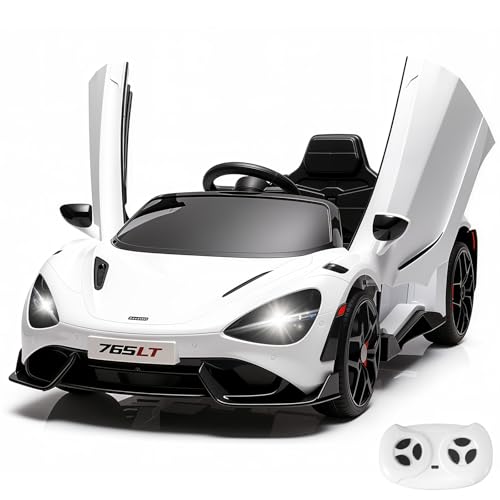
Mini Drivable Cars for 12 Year Olds: The Ultimate Ride-On Guide
Looking for the perfect mini drivable car for your 12-year-old? Our comprehensive guide covers everything from safety features and motor power to build quality and terrain capability, helping you choose the ideal ride-on vehicle for your young teen.
Explore the Buying GuideWhy a Mini Drivable Car is a Great Choice for 12 Year Olds
Turning twelve marks a significant transition from childhood to the tween years. Kids at this age crave independence, adventure, and a sense of control over their environment. A mini drivable car delivers all three in a safe, supervised package. Unlike bicycles or skateboards, ride-on cars offer a seated driving experience that feels genuinely grown-up, yet they remain firmly within the realm of play.
For parents, the appeal is just as strong. A quality ride-on car encourages outdoor activity, helps develop spatial awareness and hand-eye coordination, and provides a fantastic platform for teaching basic road safety and responsibility. Whether your child dreams of cruising the driveway in a miniature sports car or tackling the backyard in a rugged off-road vehicle, there is a model designed to match their personality and your environment.
In this guide, we will walk you through the essential factors to consider when selecting a mini drivable car for a 12-year-old. From understanding motor specifications and battery life to evaluating safety features and build quality, we provide the detailed insights you need to make an informed decision. We will also explore how different tiers of ride-on cars compare, so you can find the right balance of features and durability for your family.
Essential Buying Guide: What to Look For
Choosing the right mini drivable car for a 12-year-old involves more than just picking a cool color. Tweens are heavier and more capable than younger children, so the vehicle must be built to handle their size and energy. Here are the key factors to evaluate.
Weight Capacity and Size
This is the most critical specification. Most ride-on cars designed for younger children max out at 66 lbs (30 kg), which is far too low for a typical 12-year-old. Look for models with a weight capacity of at least 110 lbs (50 kg), and ideally 130 lbs (59 kg) or more. A higher weight limit not only ensures the car can carry your child safely but also reduces strain on the motor and gearbox, extending the vehicle's lifespan. Check the product specifications carefully; a car that strains under weight will have sluggish performance and a shorter service life.
Motor Power and Speed
Entry-level ride-on cars often come with a single 6V or 12V motor, which provides modest speed and torque. For a 12-year-old, a 12V system is the minimum you should consider. Mid-range models frequently feature two motors (often 12V each) for better acceleration and hill-climbing ability. High-end tier and premium models may offer 24V systems with four motors, delivering noticeably more power and smoother performance on uneven terrain.
Speed is another consideration. Most 12V ride-on cars top out around 3-5 mph (5-8 km/h), which is appropriate for driveway and yard use. Some high-end models offer a high-speed setting of 6-8 mph (10-13 km/h) for more experienced drivers. Always prioritize a model with a speed limiter or parental remote control, especially if your child is new to driving.
Battery Life and Charging
A typical 12V battery provides 45 to 90 minutes of continuous run time, depending on terrain, weight, and speed. Higher-capacity batteries in premium models can extend this to two hours or more. Consider how your child will use the car: short bursts of play in the driveway require less battery life than extended adventures in a large yard. Also, check the charging time; some batteries take 8-12 hours to fully charge, so a spare battery can be a worthwhile investment for uninterrupted play.
Safety Features
Safety is non-negotiable. At a minimum, the car should have a sturdy seat belt (a three-point harness is ideal), a parental remote control (especially useful for younger or less experienced drivers), and a speed governor. Other desirable features include soft-start technology (which prevents jerky acceleration), regenerative braking (for smoother stops), and a reinforced chassis. Check for certifications such as ASTM F963 and CPSIA compliance, which indicate the product has met established safety standards.
Build Quality and Terrain
Look for cars constructed from durable, non-toxic materials. ABS plastic is common and adequate, but some premium models use reinforced plastic or even metal components for greater longevity. Tires matter too: plastic wheels are fine for smooth driveways, but rubberized or EVA tires provide better traction on grass, gravel, and uneven surfaces. If your child will be driving on mixed terrain, prioritize a model with suspension and off-road tires.
Assembly and Maintenance
Most ride-on cars require assembly, which can range from a straightforward one-hour job to a more involved afternoon project. Mid-range and premium models often come with clearer instructions and better-designed parts that align more easily. Once assembled, regular maintenance—such as charging the battery properly, cleaning the vehicle, and checking for loose screws—will keep the car running smoothly for years.
Understanding Ride-On Car Tiers: A Relative Comparison
To help you navigate the market, we have categorized mini drivable cars into three broad tiers. This classification is based on relative features, build quality, and performance—not on any specific figures. Use this table as a general guide to understand what each tier typically offers.
| Tier | Typical Motor & Battery | Key Features | Best For |
|---|---|---|---|
| Entry-Level | Single 12V motor, standard battery | Basic seat belt, manual controls, plastic wheels | Paved driveways, light use, first-time drivers |
| Mid-Range | Dual 12V motors, upgraded battery | Parental remote, speed governor, EVA tires, soft start | Mixed terrain, regular use, tweens seeking more performance |
| Premium / High-End Tier | 24V system, four motors, high-capacity battery | Full suspension, rubber tires, leather-style seats, advanced safety electronics | Rough terrain, enthusiasts, long-term investment |
As you move up in tier, you generally gain smoother acceleration, better traction, more durable components, and longer run times. However, an entry-level model can be perfectly adequate if your child will primarily drive on smooth, flat surfaces. Conversely, if you have a large yard with hills and uneven ground, a mid-range or premium model is a wiser long-term investment.
Top Picks for Mini Drivable Cars for 12 Year Olds
Based on our research and analysis of the market, here are some standout options across different tiers. Remember to verify the latest specifications and safety certifications before making a purchase.
Best Entry-Level: The Classic Cruiser
This category is ideal for families who want a reliable, straightforward ride-on car without extra complexity. Look for a model with a 12V system, a weight capacity of at least 110 lbs, and a simple seat belt. While it may lack the bells and whistles of higher tiers, a well-built entry-level car can provide years of enjoyment on smooth pavement. For related reading on smaller-scale options, you might explore our guide to mini cars for 12 year olds to drive.
Best Mid-Range: The All-Terrain Adventurer
Stepping up to the mid-range tier unlocks dual motors, parental remote control, and better tires. This is the sweet spot for most families with a 12-year-old. The improved torque handles grassy yards and slight inclines with ease, and the remote control gives parents peace of mind during the learning phase. Many mid-range models also feature realistic details like working headlights, engine sounds, and opening doors, which add to the immersive experience. If you are also considering options for younger siblings, our article on mini cars for 10 year olds to drive offers valuable insights.
Best Premium: The High-Performance Machine
For the ultimate ride-on experience, premium models deliver 24V power, four motors, and full suspension. These cars are built to tackle rougher terrain and provide a smoother, quieter ride. They often include luxury touches like leather-style seats, adjustable seats, and advanced entertainment systems. While they represent a larger initial outlay, their durable construction and superior performance make them a worthwhile investment for families who plan to use the car extensively. To explore the full spectrum of options, including both mini and larger ride-on vehicles, see our comprehensive guide on mini drivable cars for 12 year olds.
Safety First: Essential Guidelines for Parents
Even the safest ride-on car requires responsible adult supervision. Here are some key safety practices to follow:
- Always supervise: Never let a 12-year-old drive a ride-on car without adult supervision, especially in areas with traffic or uneven terrain.
- Wear safety gear: A helmet is strongly recommended, just as it would be for cycling or skateboarding. Consider elbow and knee pads for beginners.
- Set boundaries: Clearly define the areas where the car can be driven. Keep the vehicle away from pools, steep slopes, and roads.
- Check the vehicle regularly: Inspect for loose screws, worn tires, and battery issues before each use.
- Follow the manufacturer's guidelines: Pay attention to weight limits, age recommendations, and charging instructions.
Proper maintenance is equally important. Store the car in a dry place, charge the battery according to the manual (avoiding overcharging), and clean the vehicle after use in dusty or muddy conditions. With care, a quality ride-on car can last for many years and even be passed down to younger siblings.
Frequently Asked Questions
What should I look for in a mini drivable car for a 12 year old?
Focus on weight capacity (at least 110 lbs), motor power (12V minimum, dual motors preferred), safety features like seat belts and parental remote control, battery life, and build quality. Mid-range to premium models typically offer smoother acceleration and better durability.
Are mini drivable cars safe for 12 year olds?
Yes, when used with proper supervision and safety gear. Look for models with speed limiters, sturdy construction, and age-appropriate weight ratings. Always follow the manufacturer's safety guidelines and ensure your child wears a helmet.
How fast can a mini drivable car go?
Most ride-on cars for this age range reach speeds of 3 to 8 mph (5-13 km/h), depending on the tier. Entry-level models are slower, while high-end tier models may offer higher speed settings for experienced drivers. Always prioritize safety over speed.
Do mini drivable cars require assembly?
Yes, most ride-on cars require some assembly. Mid-range and premium models often come with clearer instructions and better-designed parts for easier setup. Set aside an hour or two for assembly, and follow the instructions carefully.
Can a 12 year old drive a ride-on car on grass?
Yes, but the car's capability depends on its motor power and tires. Entry-level models with plastic wheels may struggle on grass, while mid-range and premium models with dual motors and rubber tires handle grassy yards much better. Check the product specifications for terrain recommendations.
Ready to Find the Perfect Ride-On Car?
Explore our curated selection of mini drivable cars for 12 year olds. Each option is chosen for its safety, performance, and build quality, ensuring your young teen enjoys a thrilling yet secure driving experience.
View Recommended Models