Understanding HO Gauge: Scale, Standards, and Why It Matters
HO gauge refers to a model railroad scale where the model is 1:87 the size of the real thing. The name comes from "half O"—HO is roughly half the size of O scale, which was the dominant standard before HO took over. Today, HO is the most widely produced and supported scale, which means a vast selection of locomotives, rolling stock, track, and accessories from dozens of manufacturers.
For someone browsing HO gauge trains for sale, this abundance is a major advantage. Competition among manufacturers drives innovation in detail, electronics, and track systems. It also means you can mix brands more easily than in niche scales, since HO standards for track gauge and coupler height are well established.
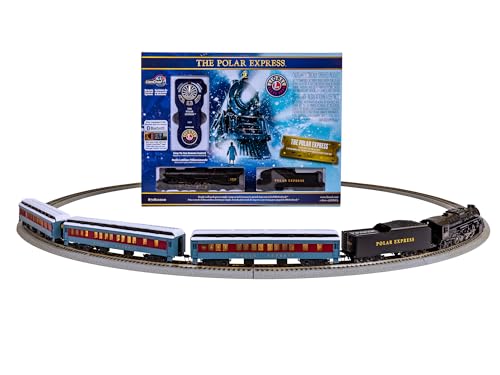
When shopping for HO gauge trains for sale, pay attention to three core elements: the locomotive (the engine), the rolling stock (freight or passenger cars), and the track system. A starter set bundles all three, but many hobbyists eventually buy components separately to build a custom roster and layout.
What to Look For When Buying HO Gauge Trains
Not all HO train sets are created equal. The right choice depends on your space, your interest in operation versus display, and how much you want to expand over time. Here are the key factors to evaluate before you commit.
1. Locomotive Quality and Detail
The locomotive is the heart of any set. Entry-level locomotives often have molded details and simpler mechanisms, while mid-range and premium models feature separately applied handrails, see-through grilles, and finely painted cab interiors. For a first set, a durable entry-level or mid-tier locomotive is often the wisest choice—it will run reliably while you learn the ropes.
If you are drawn to steam power, explore HO scale DCC steam locomotives with sound, which add synchronized chuffing, whistle, and bell effects. These are typically high-end tier models aimed at hobbyists who want maximum realism.
2. DC vs. DCC Control
DC (direct current) is the traditional analog system: one transformer controls one train at a time. It is simple, robust, and common in starter sets. DCC (Digital Command Control) sends digital signals through the track, allowing independent control of multiple locomotives, plus sound and lighting functions. DCC systems are more complex and require decoders in each locomotive, but they unlock a much richer operating experience.
For beginners, a DC set is a low-friction way to start. For those who envision a larger layout with multiple trains and sound, investing in a DCC-equipped set or a DCC-ready locomotive (with a decoder socket) is a smart long-term move.
3. Track System and Expansion
Most starter sets include snap-together track sections that form an oval or figure-eight. As you expand, you will want additional track pieces—straights, curves, switches (turnouts), and crossovers. Stick with a track system that has broad availability, such as those from major HO manufacturers, so you can add pieces for years to come.
Track code refers to rail height: code 100 is the most common and robust, while code 83 and code 70 offer more realistic proportions but can be more delicate. For a first layout, code 100 is a reliable choice.
4. Rolling Stock and Couplers
Freight cars, passenger coaches, and cabooses fill out your train. Most modern HO rolling stock uses knuckle couplers that are compatible across brands, though older or specialty models may use different systems. If you plan to mix brands, check coupler compatibility or be prepared to swap couplers.
5. Space and Layout Planning
A basic HO oval fits on a 4x8 foot table. For a layout with a yard, sidings, and scenery, you will need more room—or a creative shelf-style layout along walls. Before buying, sketch a rough track plan. Many hobbyists start with a simple loop, then add a passing siding and a spur for a small industry as their confidence grows.
Comparing HO Train Set Tiers
To help you orient yourself in the market, here is a comparison of typical HO train set tiers. This table uses universal quality descriptors rather than any specific figures, so it stays useful regardless of when you read it.
| Tier | Best For | Typical Characteristics | Control System |
|---|---|---|---|
| Entry-level / Starter tier | First-time buyers, gift-givers, casual runners | Molded detail, durable mechanisms, basic oval track, simple transformer | DC analog |
| Mid-range / Balanced tier | Hobbyists ready to expand, small layouts | Better paint and detail, smoother running, more track options, DCC-ready locomotives | DC or DCC-ready |
| Premium / High-end tier | Serious hobbyists, display layouts, sound enthusiasts | Separately applied details, factory DCC with sound, fine-scale track compatibility | DCC with sound |
| Top-tier / Flagship | Collectors, museum-quality displays, advanced operators | Exceptional fidelity, prototype-specific details, premium electronics, limited editions | Advanced DCC |
Within each tier, you will find variation. A mid-range model from one manufacturer may offer features that rival a premium model from another. Reading reviews and watching demonstration videos is always worthwhile before you commit.
DCC and Sound: Elevating Your HO Experience
Digital Command Control transforms how you operate your railroad. With DCC, each locomotive has a decoder that responds to digital commands sent through the track. You can run multiple trains independently, dim headlights, trigger sound effects, and even automate routes with software.
Sound-equipped locomotives are a particular joy. A DCC steam locomotive with sound will produce chuffing synchronized to wheel rotation, a whistle you can trigger on demand, and ambient sounds like injectors and brakes. Diesel models offer engine rumble, horn, and brake squeal. For many hobbyists, sound is the feature that makes a layout feel alive.
If you are shopping for HO scale DCC steam locomotives with sound, note that these are typically premium or high-end tier models. They require a DCC system to unlock their full capabilities, though many can run on DC with limited sound functions.
Planning Your First HO Layout
A successful layout starts with a plan. Before you buy track, decide on a theme: a modern freight line, a steam-era branch line, a passenger terminal, or a switching puzzle. Your theme guides your choice of locomotives, rolling stock, and scenery.
Next, choose a footprint. A 4x8 sheet of plywood is the classic beginner size, offering enough room for an oval, a passing siding, and a small yard. If space is tight, a shelf layout along a wall—perhaps 18 to 24 inches deep—can be just as engaging.
When laying track, avoid tight curves if you plan to run long passenger cars or large steam locomotives. A minimum radius of 18 inches is a good starting point for most HO equipment; broader curves of 22 or 24 inches look better and run more reliably.
Scenery can be as simple or elaborate as you like. A painted plywood base, some ground foam, and a few buildings will give your layout character. As your skills grow, you can add ballast, signals, and lighting.
Accessories and Expansion Ideas
Once your basic loop is running, the fun of expansion begins. Consider adding:
- A passing siding: Lets two trains pass each other, adding operational interest.
- A spur or industry: A small factory or freight depot gives your switching moves a purpose.
- A turntable or roundhouse: A classic steam-era feature that showcases locomotives.
- Signals and crossing gates: Add realism and visual excitement.
- Vehicles and figures: HO scale cars and trucks for sale bring roads and parking areas to life.
If you enjoy building models, large-scale model car kits for adults can be a satisfying companion hobby, though those are typically larger scales. For HO, look for vehicle packs and structure kits designed specifically for 1:87 scale.
Related Guides on Toy Range
Frequently Asked Questions About HO Gauge Trains
HO gauge refers to a model railroad scale where the ratio of the model to the real train is 1:87. The "HO" stands for "half O," since it is roughly half the size of O scale. It is the most popular model train scale worldwide because it balances detail with space requirements.
DC (direct current) is the traditional analog system where one transformer controls one train at a time. DCC (Digital Command Control) allows independent control of multiple locomotives on the same track, plus sound and lighting functions. For beginners, a DC starter set is simpler and often a good entry point, while DCC offers more long-term flexibility for those who plan to expand.
A basic oval HO layout can fit on a standard 4x8 foot sheet of plywood. For a more elaborate layout with multiple tracks and scenery, a dedicated room or a larger table is ideal. HO scale is popular partly because it offers a good balance between realistic detail and manageable space requirements.
DCC sound refers to digital decoders installed in locomotives that reproduce engine, horn, and brake sounds synchronized with the train's movement. Sound-equipped locomotives add significant realism and immersion. Whether it is worth it depends on your goals: for operation-focused hobbyists, it adds depth; for simple display or occasional running, a non-sound model may suffice.
Generally, yes. HO scale is standardized, so most locomotives and rolling stock from different manufacturers will run on the same track. However, couplers may vary between brands, and some older or specialty track systems may have compatibility quirks. Checking coupler standards and track code before mixing brands is always wise.
Ready to Start Your HO Adventure?
Browse our hand-picked selection of HO gauge trains and accessories to find the perfect set for your layout.
View Recommended HO Trains